💡 Key Takeaways
- Gochugaru is a Korean chili flake or powder used in kimchi, gochujang, stews, marinades, and other foods.
- Capsicum peppers originated in the Americas, so Korean chili traditions developed after the Columbian Exchange rather than in deep antiquity.
- Korean cooks selected and processed peppers within local food systems, producing a distinct relationship between heat, color, drying, fermentation, and seasonality.
- The precise route and timing of chili adoption in Korea should be described cautiously because popular origin stories often compress complex exchange histories.
What Is Gochugaru?
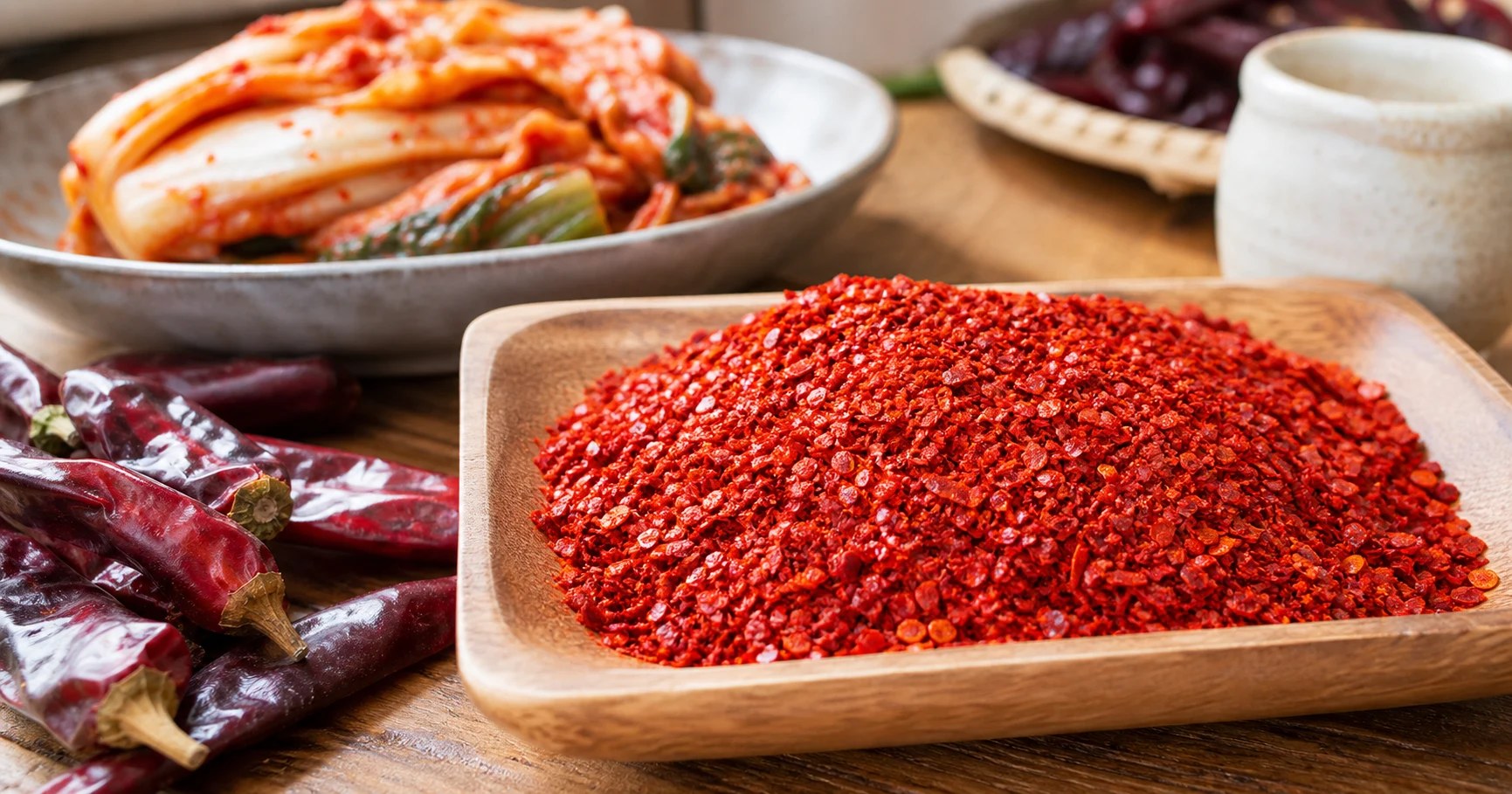
Gochugaru is a Korean chili flake or powder made from dried red peppers. It is used for color, aroma, heat, and depth in foods such as kimchi, gochujang, stews, soups, marinades, dipping sauces, and side dishes. The English phrase Korean chili flakes can make the ingredient sound standardized, but gochugaru varies in grind, seed content, pepper variety, heat, sweetness, and drying method.
Gochugaru belongs to a larger family of Korean pepper traditions usually described through words such as gochu. It is not interchangeable with generic cayenne or paprika. A substitute may provide heat or color while missing the aroma and texture Korean cooks expect.
The central historical surprise is that Capsicum is a New World crop. Korean chili culture is therefore not a prehistoric inheritance of the Korean peninsula; it is a later food history built through global exchange, local selection, drying, grinding, and fermentation. The pepper became Korean through use, not because the plant originated there.
The Columbian Exchange and the Arrival of Capsicum
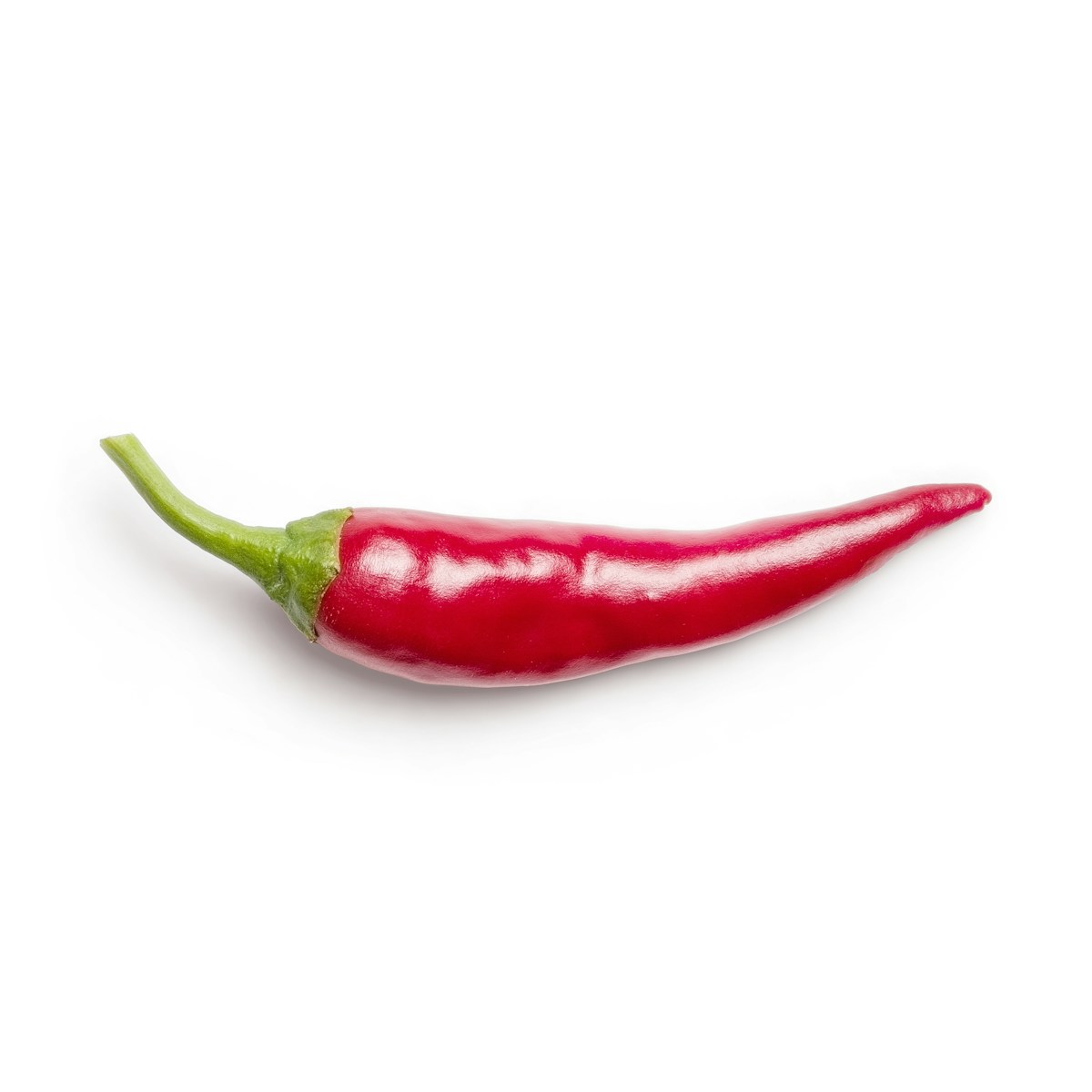
Capsicum peppers were domesticated in the Americas and spread outward after European voyages connected the Americas, Africa, Europe, Asia, and the Indian Ocean world. Portuguese and other maritime networks helped move peppers into Africa and Asia, where cooks and farmers began adapting them to local climates and cuisines. The broad route is clear; the exact path into Korea and the dates of rapid adoption are less certain than many popular summaries imply.
This is why gochugaru history should avoid a single dramatic arrival date unless a specific source supports it. Historical records, botanical evidence, culinary texts, and later food memories do not always line up. The Korean Food Research Institute publication on gochu, gochujang, and kimchi is useful because it treats chili history as part of a wider food-system change rather than as a simple claim that one merchant introduced one pepper [1].
Once Capsicum arrived, Korean food makers did not merely copy an overseas ingredient. They selected varieties, developed preferred heat and color profiles, dried peppers, ground them, and connected them to existing preservation and fermentation practices. Exchange supplied the crop; local food culture made it gochugaru.
From Gochu to Kimchi and Gochujang
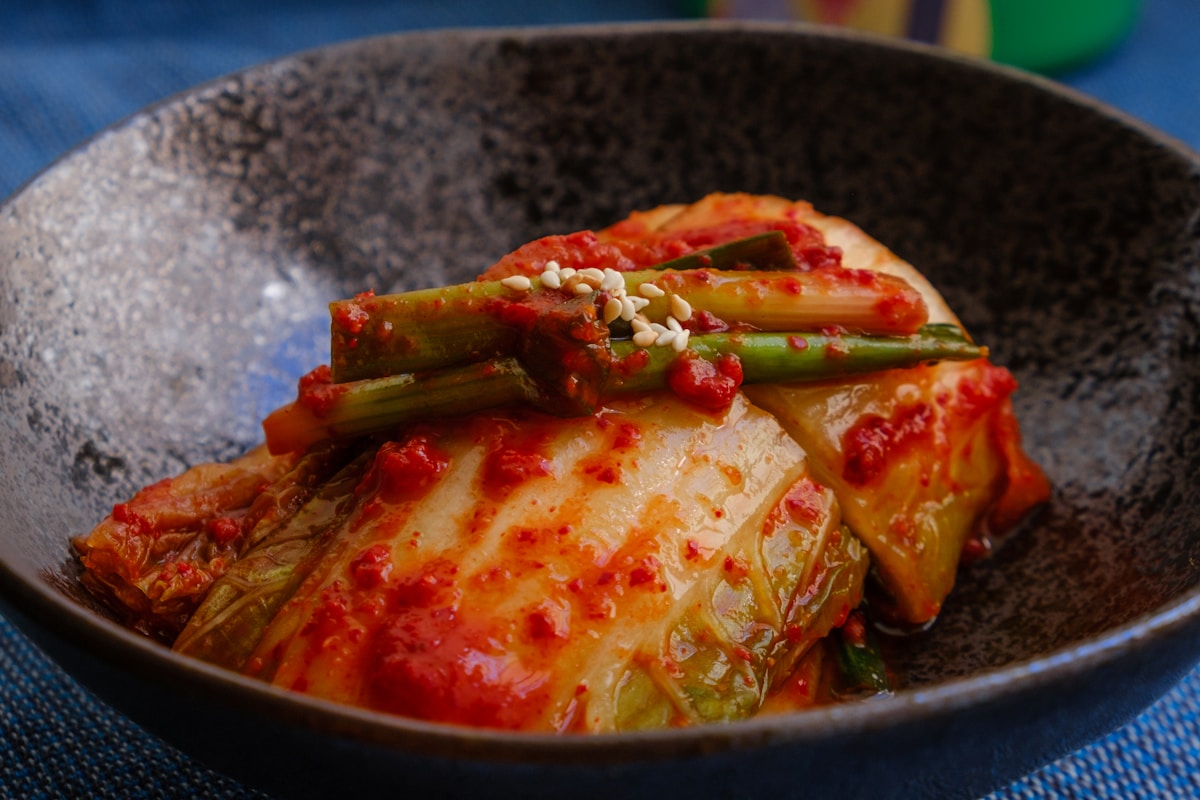
Gochugaru became historically important because it fit Korean preservation systems. Kimchi is not one fixed recipe, but many preparations use chili, salt, vegetables, seasonality, and fermentation in changing combinations. Gochugaru contributes a red color and a layered pepper aroma that can remain present without making every preparation extremely hot.
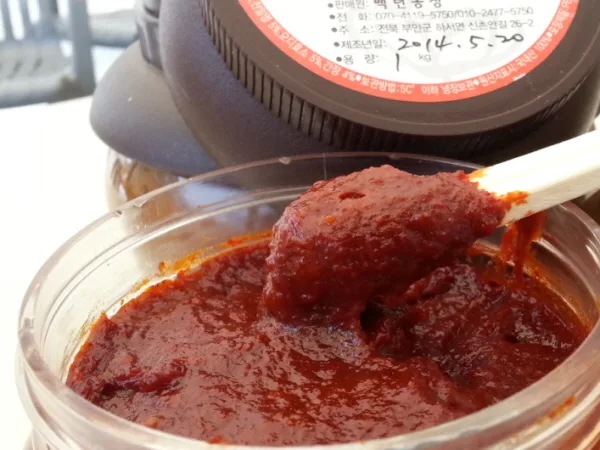
Gochujang is a different technology. It is a fermented paste whose ingredients and process can include chili, glutinous rice or other grains, soybeans, and salt. Gochugaru may be part of the paste, but gochujang should not be treated as simply wet gochugaru. The distinction matters because food history is often lost in category shortcuts.
Korean chili use also changed over time. Earlier seasonings and pepper-like plants belonged to different botanical and culinary histories. The arrival and spread of Capsicum did not erase them instantly. It joined an existing pantry and gradually became central to modern Korean flavor. Scholars continue to debate the chronology and cultural pathways, which is better evidence of a complex history than a neat origin myth [1][2].
Drying, Grinding, and Regional Taste
Gochugaru is a process as much as an ingredient. Peppers are selected, dried, and ground to a chosen texture. Flakes can remain visible in kimchi or sauces, while finer powder disperses more evenly. The amount of seeds and the degree of drying affect color, aroma, texture, and heat.
The work is seasonal. Pepper harvest, drying weather, storage, and grinding all influence the household supply. A kitchen that makes kimchi may care about pepper quality differently from a restaurant or factory. Packaged gochugaru makes the ingredient easier to export, but a package can hide regional variety unless the label explains origin and type.
This is where gochugaru connects to the wider history of spices. A dried pepper can be moved across borders more easily than a fresh one, and a powder can become a standardized product. Yet the flavor remains tied to farming, weather, labor, and local preference. The industrial bag is the final stage of a chain that begins in a field and passes through hands, screens, trays, mills, and fermentation jars.
Why Korean Chili Became Globally Visible
Gochugaru is now more visible because Korean food has global restaurant, media, and grocery reach. Kimchi, gochujang, fried chicken, tteokbokki, and Korean barbecue introduce the pepper to new audiences, while cooking videos make the red color and visible flakes easy to recognize. The global market often calls gochugaru a trend ingredient, but its history is older than the trend and more specific than a generic spicy-food category.
The same process raises a cultural question. When a regional ingredient travels, does the new audience learn the name, process, and food context, or does the ingredient become a nameless red powder? Good food writing keeps the name visible. It explains what the ingredient does, where it sits in Korean foodways, and how it differs from paprika, chili flakes, and cayenne.
Gochugaru also shows how the Columbian Exchange created new local traditions. A plant from the Americas became part of Korean culinary identity through centuries of selection and use. The result is neither purely foreign nor timelessly native. It is a historical transformation.
How Gochugaru Is Used Today
Today gochugaru is used in kimchi, soups, stews, marinades, dipping sauces, seasoned vegetables, fried foods, noodles, and modern fusion cooking. Readers should choose a grind and heat level suited to the dish rather than assuming all Korean chili is interchangeable. A mild flake can supply color and fruitiness; a hotter powder can dominate a small batch.
Gochugaru is also part of a useful pantry comparison. It sits beside chili crisp, harissa, paprika, cayenne, Aleppo pepper, and other dried-pepper products, but each has its own crop history and processing tradition. Comparing them is a way to understand how people turn Capsicum into different culinary languages.
Gochugaru history ends with a reminder that global food is often made through local reinvention. The pepper began in the Americas, crossed oceans, entered Korea, and became part of kimchi, gochujang, household preservation, and a modern international pantry. The route is global; the flavor is distinctly Korean.
Historical Timeline
Korean fermented foods use local seasonings and pepper-like plants; Capsicum has not yet arrived from the Americas
New World Capsicum circulates through global trade and enters East Asian food histories, though adoption timelines are debated
Korean chili selection, drying, grinding, kimchi, and gochujang practices develop into recognizable regional food traditions
Gochugaru becomes a packaged export ingredient and a global marker of Korean cooking
Evidence Explorer
Review the Source Trail
Inspect the article sources, scoped review credits, and copyable citation details without leaving the page.
Reviewed for Stated Scope
Sources Listed
Comments
Community comments are coming soon. Check back later to join the discussion!