💡 Key Takeaways
- Yuzu kosho is a paste made from yuzu peel, chili peppers, and salt, commonly used as a sharp accent in Japanese cooking.
- Its strongest regional associations are with Kyushu, while the exact first maker or village remains part of local tradition rather than settled national history.
- The word kosho can be confusing because older Japanese usage can refer to pepper or chili, not necessarily black pepper.
- Commercial spread has turned a regional condiment into a global ingredient without making it an ancient sauce on the model of miso or soy sauce.
What Is Yuzu Kosho?
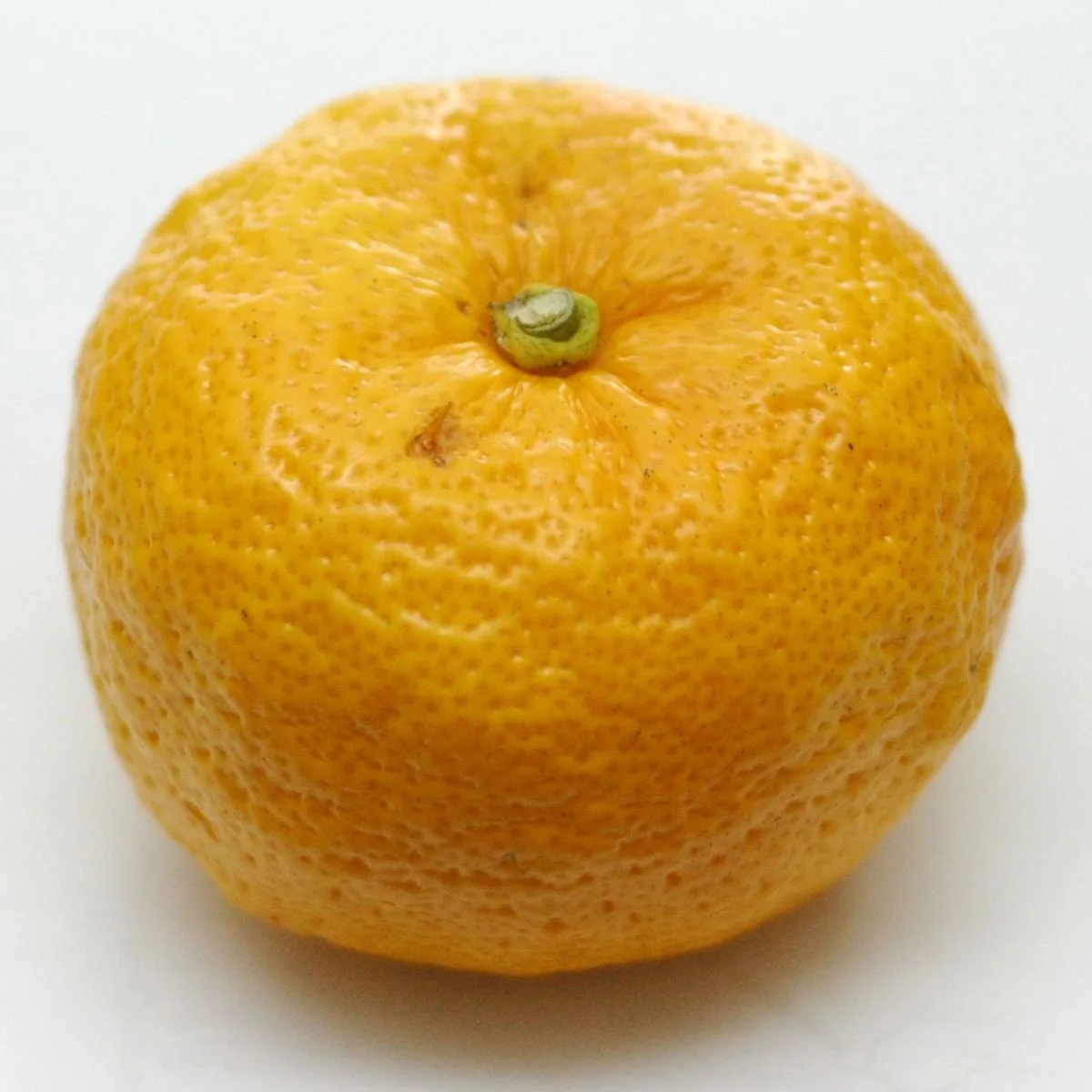
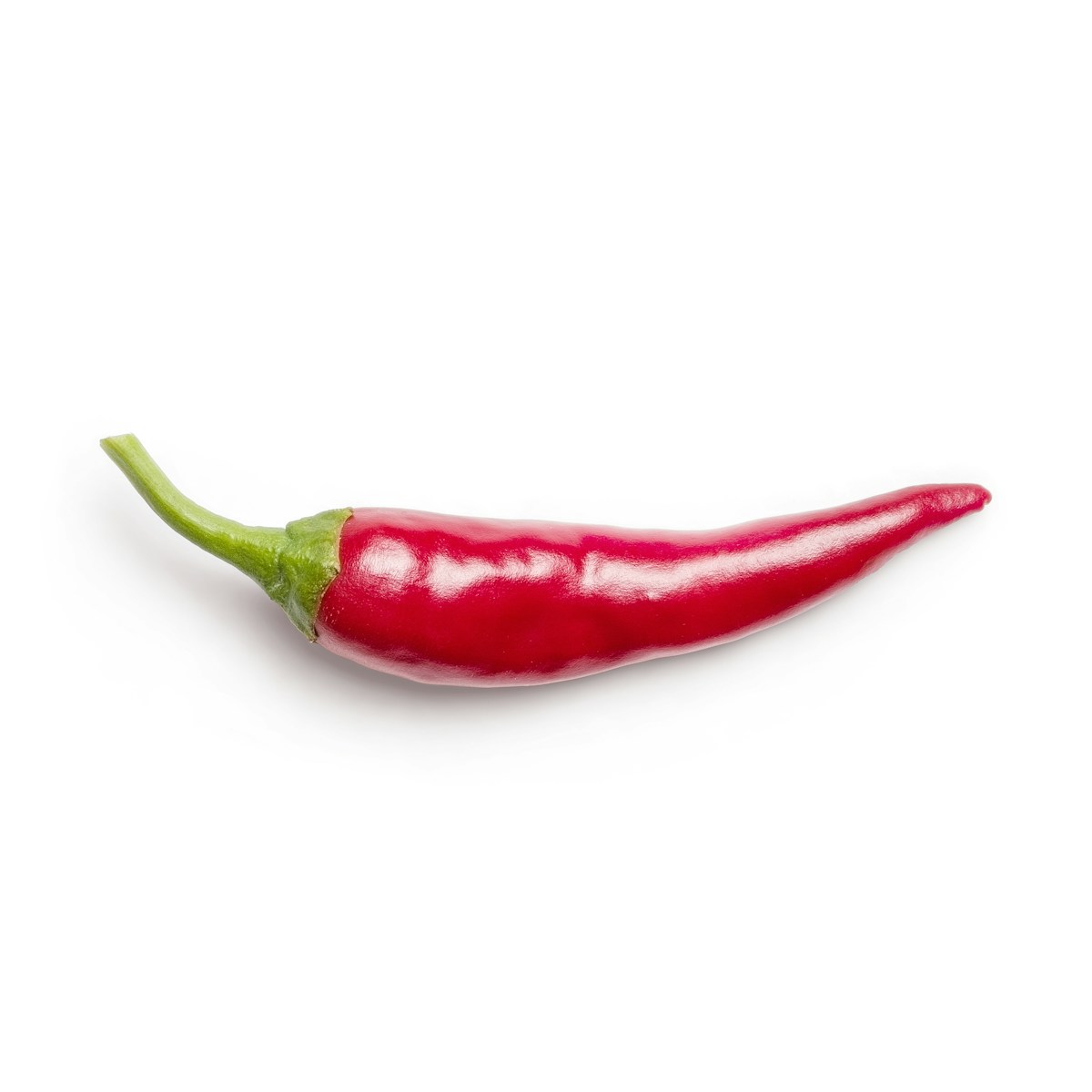
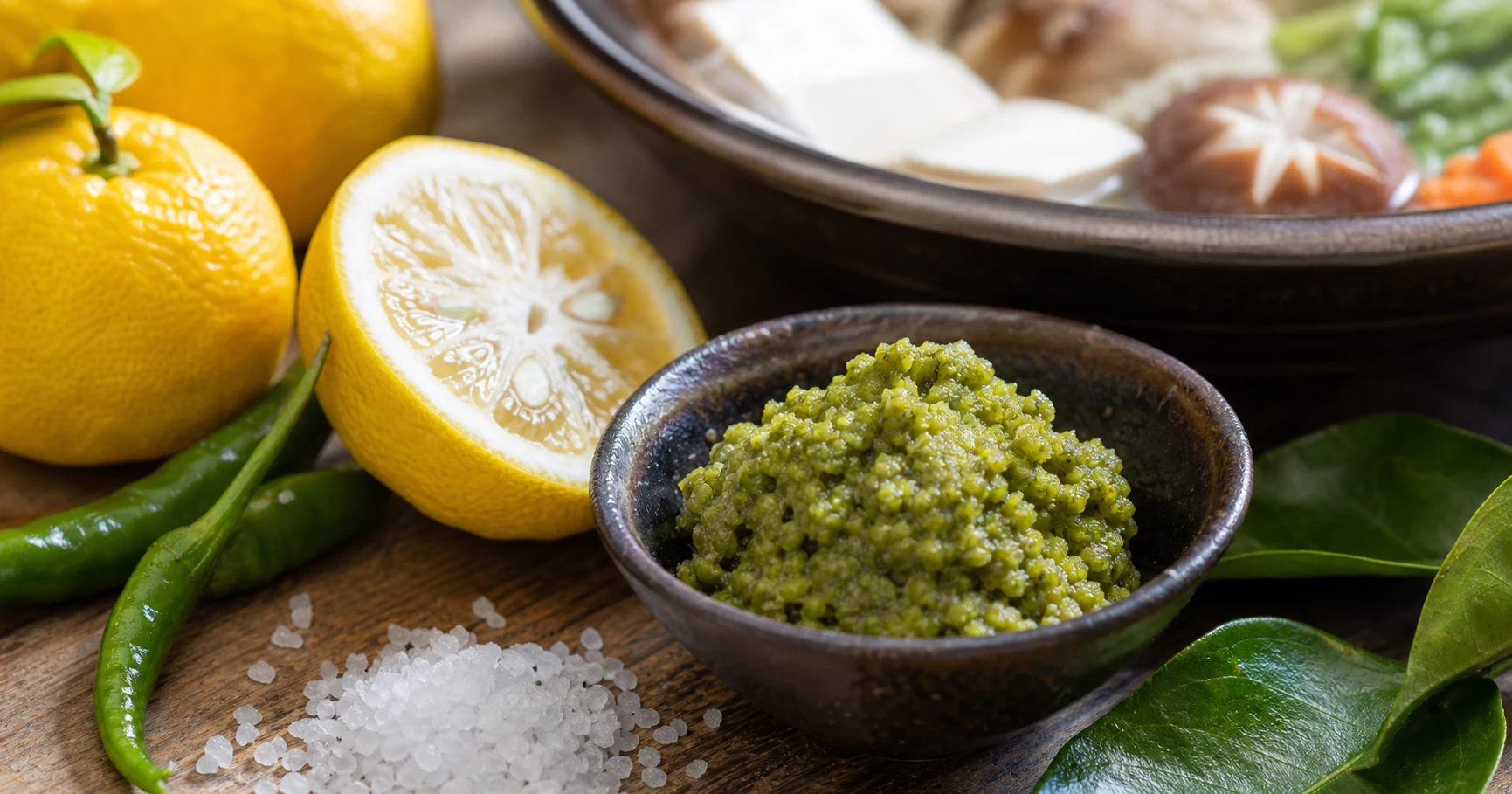
Yuzu kosho is a Japanese condiment made by pounding or blending yuzu peel, chili peppers, and salt. The result is a coarse paste with three simultaneous effects: citrus fragrance from the peel, heat from the chili, and salinity from the preserving salt. It is commonly used with hot-pot dishes, noodles, grilled foods, sashimi, and other preparations where a small amount can change the whole bite [1]. The name can mislead English readers. Kosho is often translated as pepper, but historical Japanese usage can refer to chili pepper in contexts where modern readers expect black pepper. Yuzu kosho is therefore not a yuzu-flavored peppercorn sauce. It is a citrus-and-chili salt paste, and its texture and aroma are as important as its heat.
Where Did Yuzu Kosho Come From?
Yuzu kosho is strongly associated with Kyushu, especially regional foodways in Oita and Fukuoka. The Ministry of Agriculture, Forestry and Fisheries presents it as a local cuisine condiment, while popular regional accounts preserve more than one origin story [1][2]. That plurality is useful evidence: the product has a regional identity, but there is no need to force a single inventor or exact year when the record does not support one. Its history is also more recent than the deep histories of miso, soy sauce, or salt. Yuzu itself is an old East Asian citrus, and chili peppers arrived in Japan through early modern global exchange. Yuzu kosho is the later regional combination of those materials with salt, not proof that the condiment existed unchanged in antiquity.
Citrus, Chili, and Salt as a Food Technology
The condiment works by concentrating ingredients that are individually perishable or seasonal. Yuzu peel carries volatile oils and fragrance. Chili supplies heat and color. Salt helps preserve the paste and gives it a long-lasting savory edge. The process is simple, but the result depends on the balance between peel, pith, fruit, chili variety, salt, grinding, and storage. This is a small example of a wider food-history principle: regional condiments often solve several kitchen problems at once. They preserve a seasonal aroma, make a staple or broth more vivid, and carry local agricultural identity into daily meals. Yuzu kosho is not just a flavor; it is a way of keeping the landscape of Kyushu present at the table.
How Yuzu Kosho Became a Regional Signature
Yuzu kosho became legible as a regional specialty through travel, restaurants, gift culture, and packaging. A visitor can buy a jar as a taste of Kyushu, while cooks outside the region can use it as a shortcut to citrus heat. That movement does not erase local origins, but it does change the condiment: producers standardize texture and salt level, and new versions appear with different citrus or chili profiles. The tourism route matters because many regional Japanese foods reached national or international audiences through souvenirs and specialty shops rather than through a single industrial launch. The jar becomes a portable geography.
How It Is Used Today
Today yuzu kosho is used sparingly with foods that benefit from contrast. A little paste can sharpen a hot pot, add citrus heat to grilled chicken or fish, or cut through the richness of a creamy dish. It can be stirred into a dipping sauce, paired with noodles, or placed beside sashimi. The traditional logic is an accent, not a blanket coating. Its global appeal comes from the same qualities that made it regional: it is concentrated, aromatic, salty, and immediately distinctive. The strongest modern description is simple: yuzu kosho is a Kyushu-associated Japanese condiment built from yuzu, chili, and salt, with a modern regional history and multiple local origin stories.
Historical Timeline
Yuzu, local chili, and salt are combined into a pungent condiment used with hot pots and other dishes
Regional production and tourism help yuzu kosho travel beyond its home area
Japanese restaurants, specialty shops, and packaged-food culture introduce the condiment to global cooks
Evidence Explorer
Review the Source Trail
Inspect the article sources, scoped review credits, and copyable citation details without leaving the page.
Reviewed for Stated Scope
Sources Listed
Comments
Community comments are coming soon. Check back later to join the discussion!