💡 Key Takeaways
- Pikliz is a Haitian condiment of shredded vegetables, hot pepper, and acid.
- It is usually vinegar-pickled, not automatically a lactic ferment.
- Its ingredients reflect global crop movement, but its combination and culinary role are Haitian.
- Household formulas vary in vegetables, pepper, acid, salt, and resting time.
What Is Pikliz?
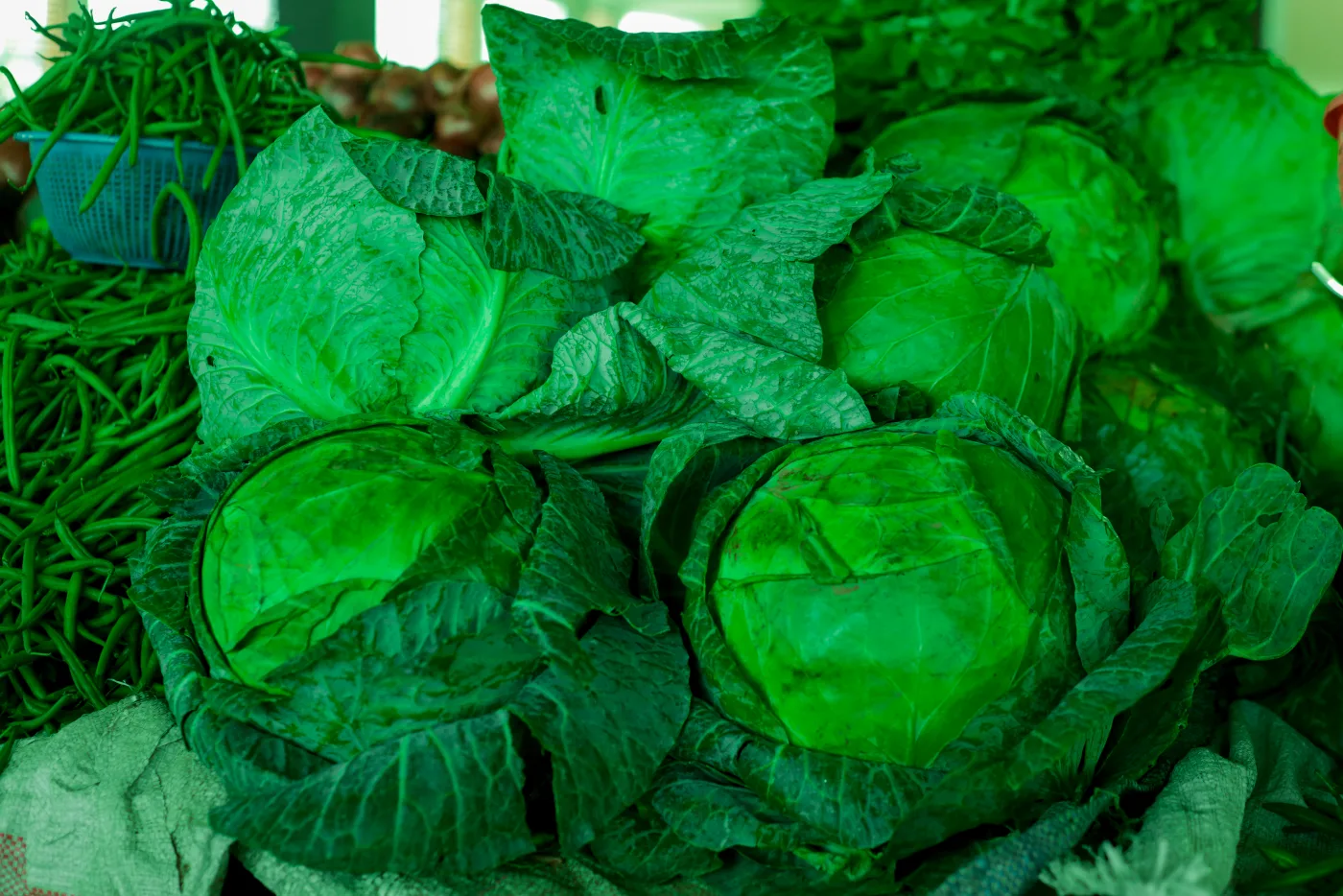
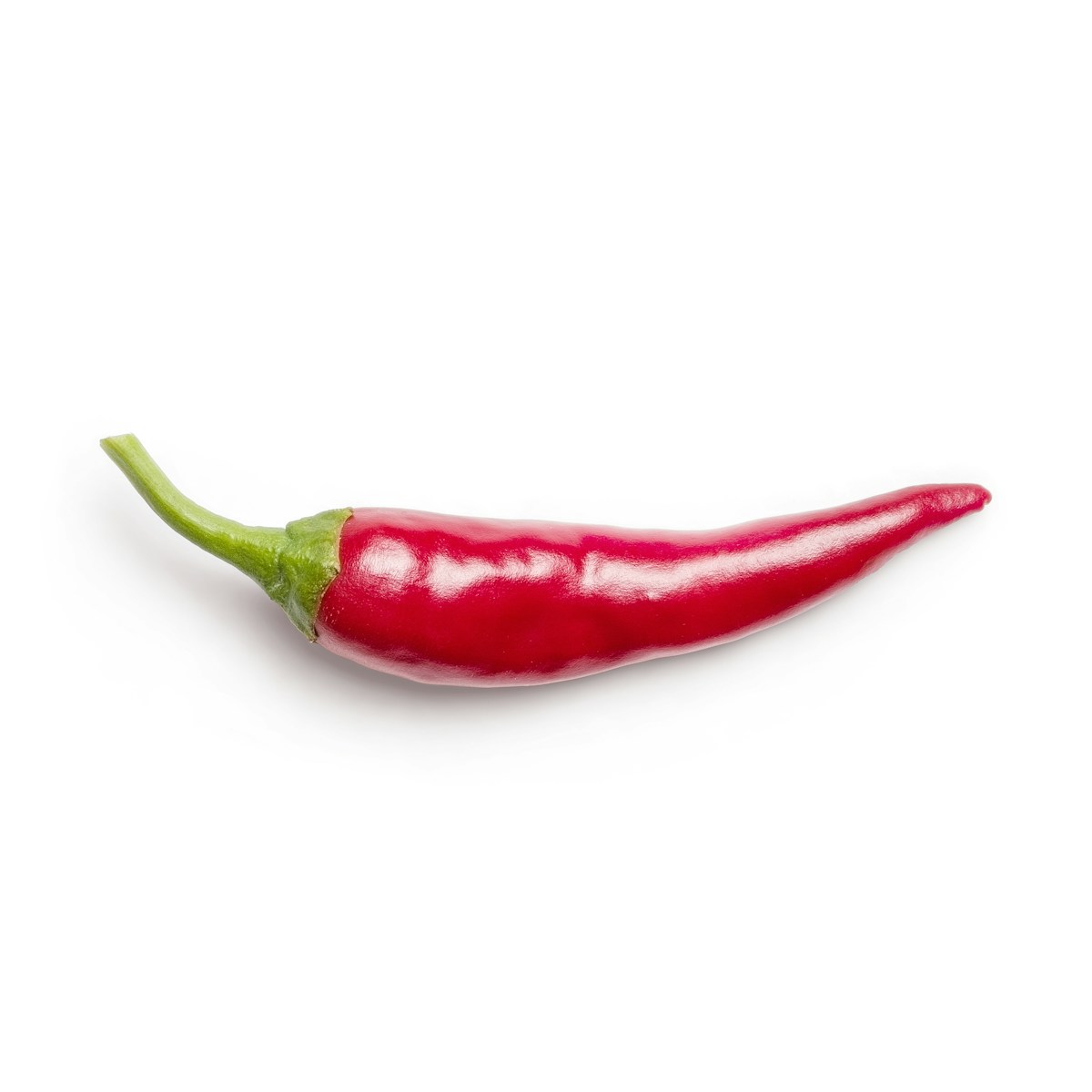
Pikliz is a Haitian condiment made from finely shredded vegetables and hot peppers held in vinegar, citrus juice, or another acidic mixture. Cabbage and carrot are common; onions, shallots, garlic, cloves, and Scotch bonnet peppers may join them. The result is crunchy, sour, aromatic, and intensely hot.
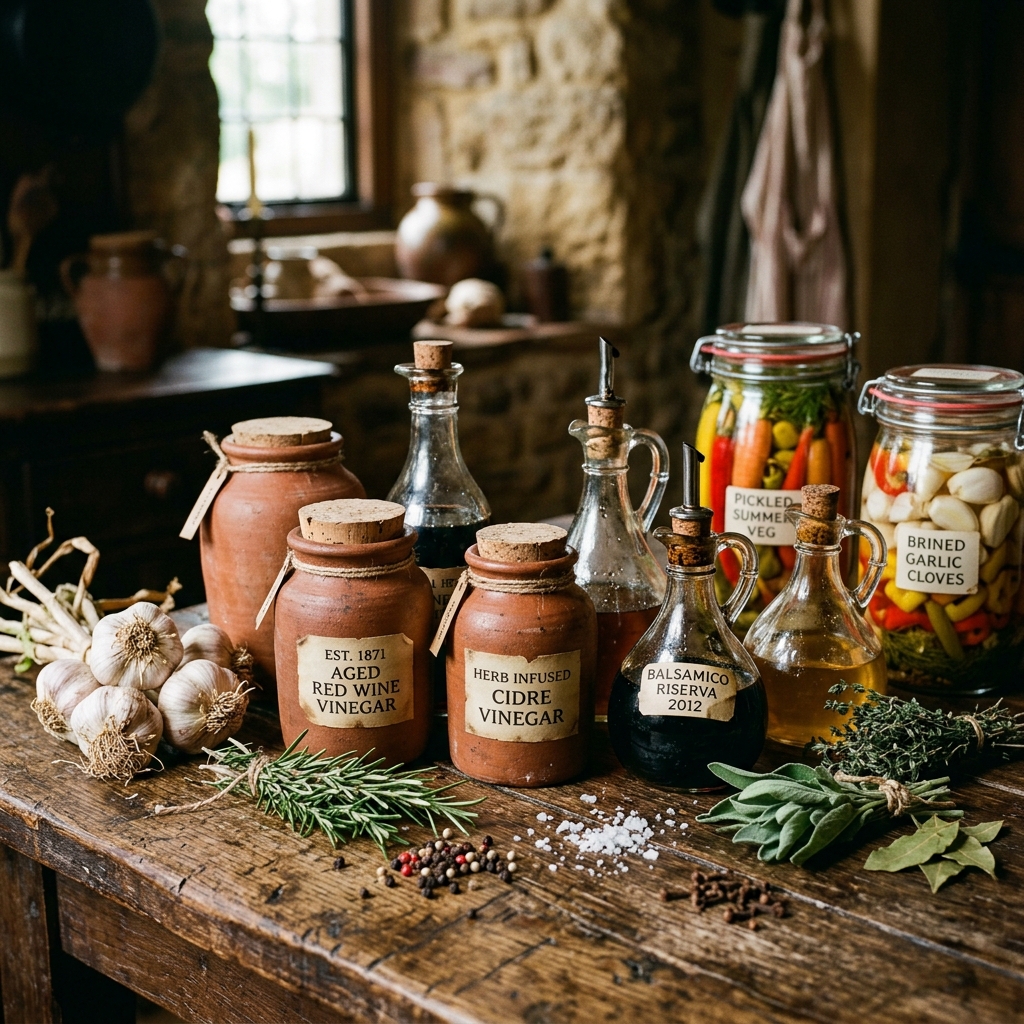
It is important not to label every jar fermented. Some versions rest long enough for flavor to develop, but vinegar provides the main preservation system in many recipes. Lactic fermentation is a different process and should be claimed only when the method supports it.
How Pikliz Belongs to Haitian History
Pikliz emerged from Haitian foodways shaped by Indigenous Caribbean ingredients, African knowledge, European colonial crops, plantation violence, trade, and post-independence household creativity. Cabbage and carrots were not ancient Haitian staples; chili peppers were American crops that traveled widely and returned in new varieties and combinations [1][2].
The condiment is Haitian not because every ingredient began on the island, but because cooks made the combination culturally specific. Food identity is often built from movement rather than botanical purity.
Why Acid and Heat Work With Fritay
Pikliz is especially associated with griot, tassot, fried plantains, and the wider world of fritay. Acid brightens fried surfaces and rich meat; raw vegetable crunch contrasts with softness; Scotch bonnet aroma adds more than heat. The condiment lets a diner adjust each bite.
This pairing shows why a condiment can be historically central without being the largest item on the plate. Pikliz organizes taste. It connects preservation, vegetable preparation, pepper culture, and shared eating in a few spoonfuls.
Household Variation and Preservation
There is no single official pikliz formula. Families vary the cabbage-to-carrot ratio, the number of peppers, the choice of vinegar or lime, the presence of cloves, and the resting time [3][4]. Some jars are used quickly; others are kept chilled and allowed to mellow.
That variation is historical evidence. Household foods often survive through practice rather than written regulation. The maker learns how finely to shred, how much acid covers the vegetables, and when the raw sharpness has become balanced.
Pikliz in the Haitian Diaspora
Haitian migration carried pikliz into restaurants, community events, groceries, and online food businesses in North America, Europe, and the Caribbean. Bottling gives the condiment a longer commercial life, while restaurant service introduces it to diners through the familiar logic of hot sauce or slaw.
Those comparisons help but can flatten the food. Pikliz is not simply Haitian coleslaw. Its acid, pepper intensity, and relationship to fritay belong to a specific culinary system. Global visibility works best when it names that system rather than treating the jar as an anonymous spicy pickle.
Historical Timeline
Cabbage, carrots, onions, citrus, and new colonial food systems reshape Caribbean kitchens alongside Indigenous and African knowledge
Haitian cooks develop sharp vegetable condiments within plantation, market, and post-independence foodways
Pikliz becomes a familiar companion to griot, bannann peze, fritay, and household meals
Diaspora restaurants and bottled condiments carry pikliz internationally
Evidence Explorer
Review the Source Trail
Inspect the article sources, scoped review credits, and copyable citation details without leaving the page.
Reviewed for Stated Scope
Sources Listed
Comments
Community comments are coming soon. Check back later to join the discussion!