💡 Key Takeaways
- Misugaru is a Korean powder made from roasted or cooked grains and legumes.
- There is no single mandatory grain formula; household and commercial blends vary.
- Powdering made cooked grain portable and quick to consume.
- Modern cafés reframe an older practical food as a nostalgic or wellness drink.
What Is Misugaru?
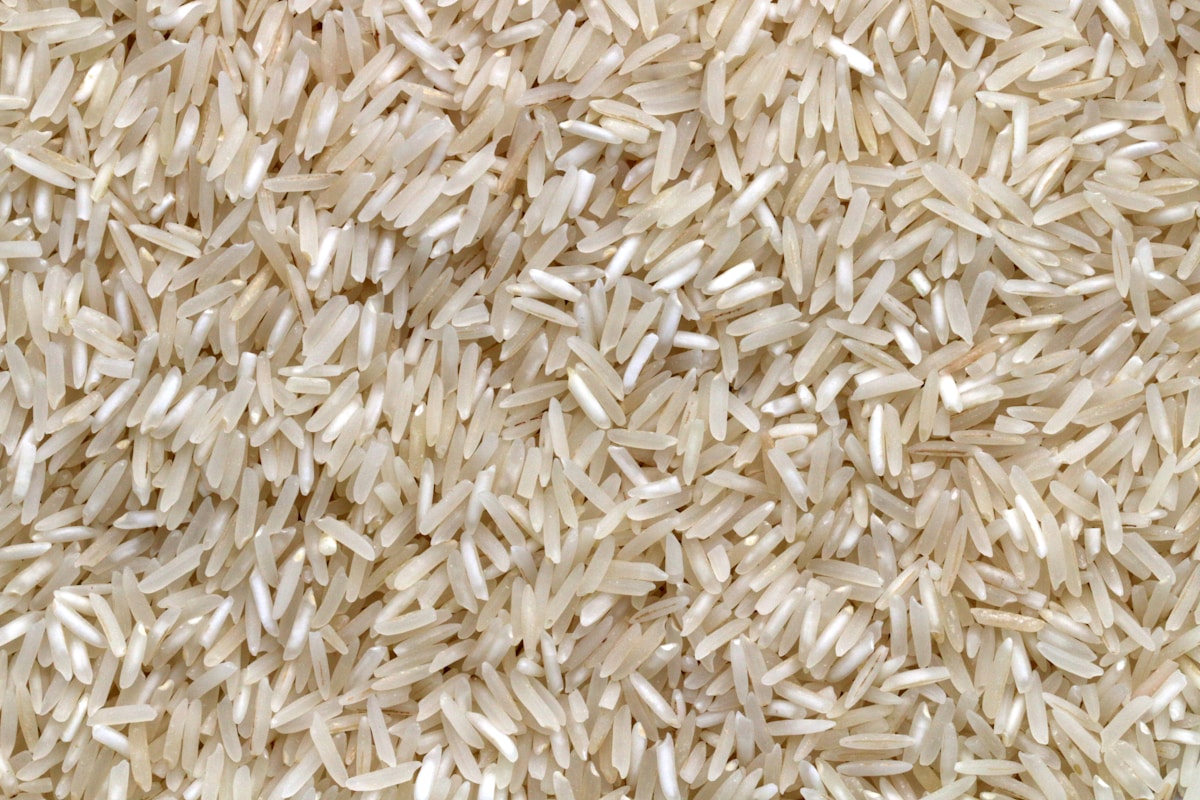
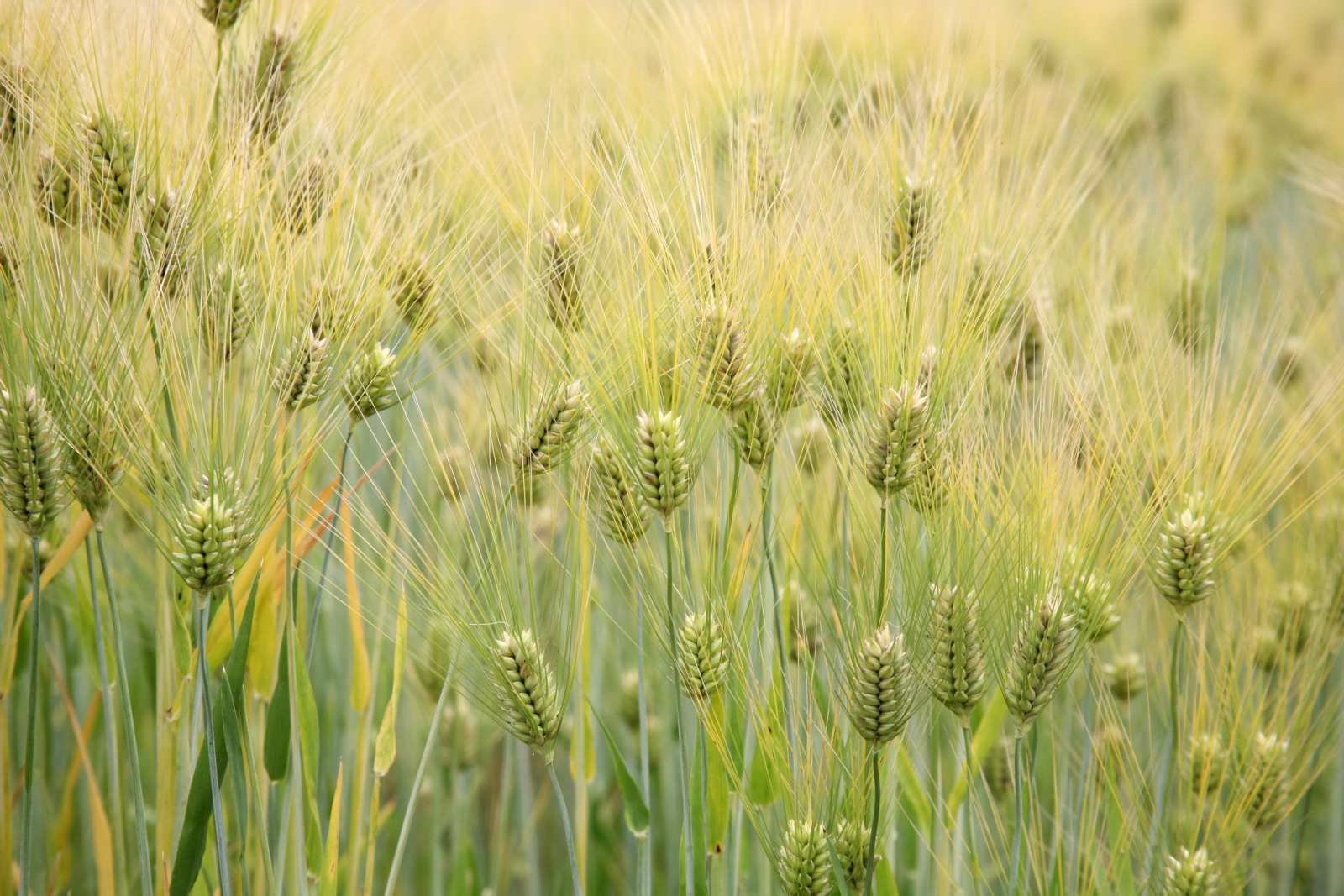
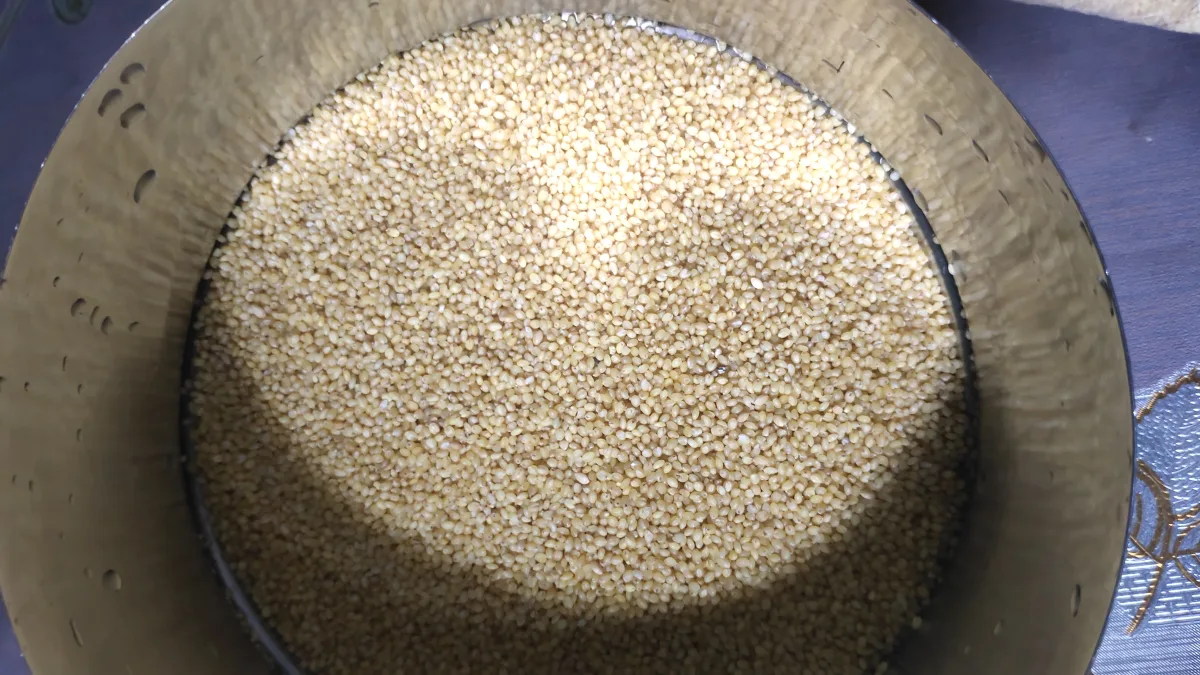
Misugaru, also written misutgaru, is a Korean powder made from roasted, cooked, dried, and ground grains or legumes. It is mixed with water or milk and often sweetened. Barley, rice, millet, soybeans, black beans, and other ingredients can appear, so the name describes a format more than one fixed recipe [1][2].
The drink is quick because most of the cooking work happened before grinding. That makes misugaru a history of food processing: heat develops flavor, drying protects the ingredients, and milling turns solid grain into portable nourishment.
Powdered Grain Before Modern Convenience Food
Korean food history includes many ways of making grains last beyond the harvest: parching, steaming, drying, fermenting, and grinding. Powder could travel more easily than a pot of porridge and could be reconstituted when fuel or time was limited [3].
Popular accounts sometimes assign misugaru one ancient military origin. The broader evidence supports a more cautious view. Powdered grain belonged to overlapping household, travel, emergency, and seasonal practices rather than one inventor or army.
Why the Grain Blend Changes
A household blend reflects available crops, desired flavor, cost, and texture. Barley brings toast; soybeans add body; millet and rice change sweetness and color. Roasting level and grind determine whether the drink tastes cereal-like, nutty, coarse, or smooth.
Industrial products made those choices repeatable. Packaging lists exact ingredients, but brand formulas still vary. Treating every misugaru as nutritionally identical is therefore misleading. History explains the flexibility better than a single wellness label.
From Household Jar to Café Menu
Twentieth-century milling and retail made misugaru an easy urban pantry product. It could serve as breakfast, snack, or summer drink without long preparation. Later cafés blended it with ice, dairy, coffee, and syrups, turning familiarity into nostalgia [4].
That transition resembles hojicha and black sesame lattes: an established Asian ingredient enters global café culture through a format consumers recognize. The café is new; the roasted-grain logic is not.
How to Understand Misugaru Today
Misugaru now appears in drinks, smoothies, ice cream, cakes, and packaged meal products. Its appeal lies in flavor and convenience, but marketing can overstate health effects or present the powder as Korea's answer to a supplement shake.
The source-safe story is stronger. Misugaru is a flexible Korean grain technology shaped by roasting, drying, milling, household variation, and modern food manufacturing. It can be nourishing without becoming medical advice, and modern popularity can be acknowledged without pretending the food was newly invented.
Historical Timeline
Cooked, dried, roasted, and ground grains are used in portable foods and drinks
Powdered grain preparations appear in household, travel, and emergency food traditions
Industrial milling and packaged multigrain blends standardize misugaru for urban consumers
Cafés and global Korean food culture turn misugaru into lattes, smoothies, and desserts
Evidence Explorer
Review the Source Trail
Inspect the article sources, scoped review credits, and copyable citation details without leaving the page.
Reviewed for Stated Scope
Sources Listed
Comments
Community comments are coming soon. Check back later to join the discussion!