💡 Key Takeaways
- Sazón is a Latin Caribbean seasoning blend built on annatto (achiote), garlic, cumin, coriander, oregano, and salt, used to flavor rice, beans, stews, and meats.
- Its red-orange color comes from annatto, a pre-Columbian dye and condiment from the seeds of Bixa orellana, used by Indigenous peoples of the Americas before European contact.
- Sazón became a 2026 trending seasoning as Latin and Caribbean cuisines rose globally, with packaged packets from brands like Goya turning a homemade blend into a pantry staple.
Where did sazón originate?
Sazón is a Latin Caribbean seasoning blend built on annatto (achiote), garlic, cumin, coriander, oregano, and salt, used to flavor and color rice, beans, stews, and meats. Its signature red-orange hue comes from annatto, the seed of Bixa orellana, a pre-Columbian dye and condiment used by Indigenous peoples of the Americas long before European contact [2][3]. The blend as modern cooks know it could only form after 1492, when Spanish colonists brought Old World spices such as cumin, coriander, black pepper, garlic, and oregano into Caribbean kitchens and combined them with Indigenous annatto and African food traditions [3][4].
Sazón’s history is therefore a Columbian Exchange food: Indigenous color, European spices, African cooking, and Caribbean household practice fused into one seasoning.
Annatto and Indigenous Color
Annatto is the historical core that distinguishes sazón from generic spice blends. The seeds of Bixa orellana produce a strong red-orange pigment that Indigenous Caribbean, Central American, and South American peoples used as body paint, textile dye, insect repellent, and food colorant [2][3]. When incorporated into cooking, annatto gave fats and grains a warm color and a mild earthy, slightly peppery flavor.
That pre-Columbian ingredient survived colonization because it was too useful to lose. In sazón, annatto carries the older Indigenous layer of the blend into modern rice, oil, and stew recipes. Annatto deserves its own article on this site as a future addition.
Colonial Spices and Caribbean Kitchens
The rest of sazón arrived through colonial trade. Cumin, coriander, garlic, black pepper, and oregano are Old World ingredients that entered Caribbean foodways through Spanish colonization and the wider Atlantic trade that also carried chili peppers, tomatoes, beans, and rice across continents [3][4].
Caribbean households then turned those imported spices into local blends. Sazón was used as a dry seasoning for arroz con pollo, habichuelas, stews, soups, and roasted meats, while sofrito supplied the wet aromatic base. The blend was practical: it standardized color and flavor across rice and bean dishes without a long ingredient list at every meal.
Goya and the Packaged Pantry
Sazón moved from homemade blend to branded pantry staple largely through Latin food companies in the twentieth century. Goya Foods, founded in 1936 by Prudencio and Carolina Unanue in New York, grew into one of the largest Latin-owned food brands in the United States and helped standardize packaged sazón packets for Latin households and restaurants [5].
Packaged sazón mattered because it preserved a flavor system across migration. Latin Caribbean communities in New York, Florida, and the Caribbean could keep rice, beans, and stews tasting familiar through a small foil packet. That turned sazón into both a seasoning and an identity marker for diaspora kitchens.
The 2026 Trend and Modern Usage
By 2026, sazón had become a globally trending seasoning. FoodNavigator, citing Tastewise, reported sazón popularity up about 91% year-over-year, part of a wider rise of Latin and Caribbean cuisines on menus and social media [1]. Chefs outside Latin food traditions began using sazón for roasted vegetables, marinades, rice, grain bowls, and snacks.
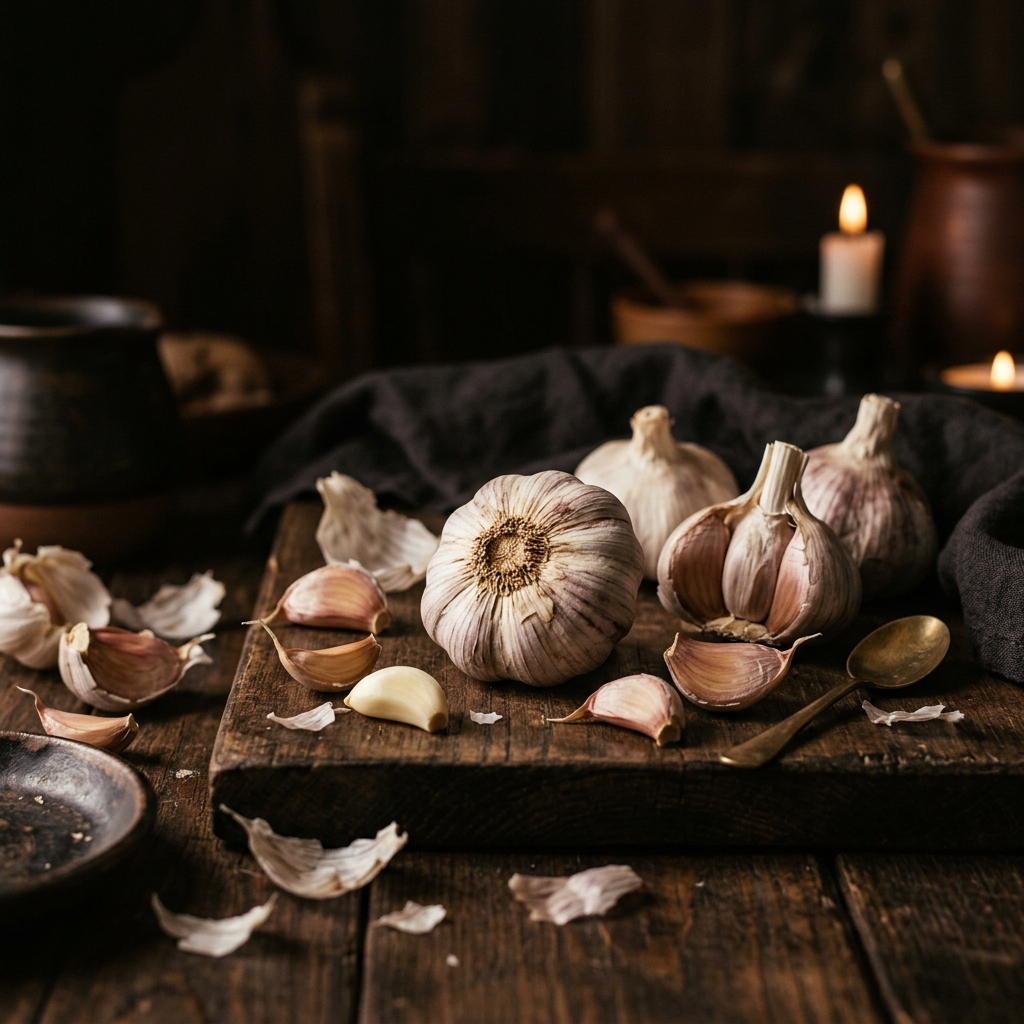
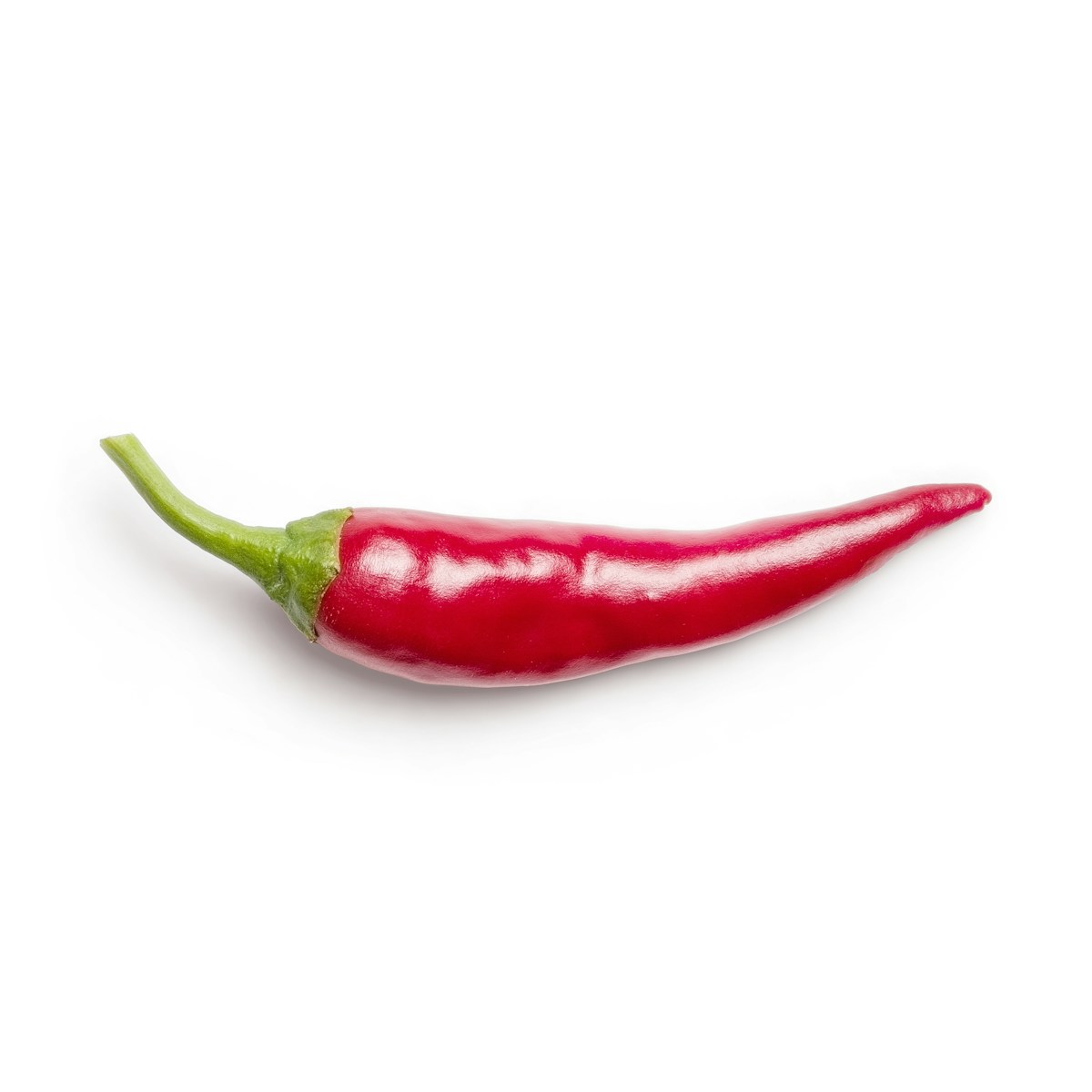
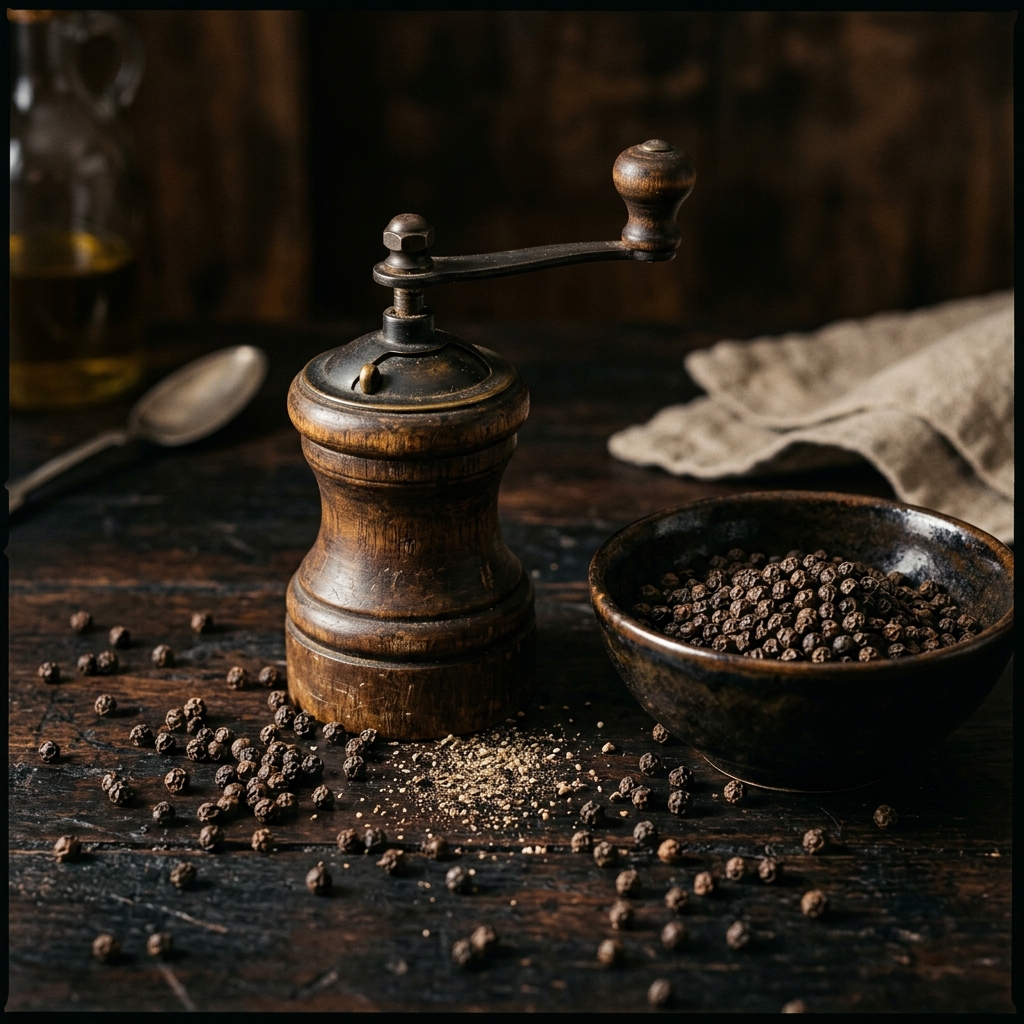
For The Foods That Shaped Us, sazón links garlic, chili pepper, black pepper, tomato, rice, and beans, while pointing toward a future annatto article. It is a Columbian Exchange blend that turned Indigenous color and colonial spice into a modern global seasoning.
Historical Timeline
Indigenous peoples of the Caribbean and Central and South America use annatto (achiote) seeds from Bixa orellana as a red-orange dye, condiment, insect repellent, and body paint
Spanish colonists introduce Old World spices such as cumin, coriander, garlic, black pepper, and oregano into Caribbean kitchens, where they meet Indigenous annatto and African food traditions
Households develop local seasoning blends for rice, beans, stews, and meats, the ancestors of modern sazón
Goya Foods, founded in 1936, grows into a major Latin food brand and helps standardize packaged sazón seasoning packets for Latin households in the United States and the Caribbean
Sazón moves from Latin home kitchens into wider restaurant and pantry culture
FoodNavigator names sazón a fast-rising flavor, up about 91% year-over-year, as Caribbean and Latin cuisines trend globally
Evidence Explorer
Review the Source Trail
Inspect the article sources, scoped review credits, and copyable citation details without leaving the page.
Sources Listed
Comments
Community comments are coming soon. Check back later to join the discussion!