💡 Key Takeaways
- Kvass is a family of fermented grain drinks, often made from rye bread or malt.
- Traditional kvass can contain small amounts of alcohol, but strength varies by process and regulation.
- Its history belongs to household thrift, grain culture, street vending, and daily refreshment.
- Industrial soft-drink versions are related to, but not identical with, home fermentation.
What Is Kvass?
Kvass is a fermented drink associated with Eastern Europe and commonly made from rye bread, rye malt, or other grain material. Water extracts color and flavor; yeast and bacteria acidify and lightly carbonate the liquid. Sugar, fruit, mint, raisins, or herbs may be added depending on the household or producer [1][2].
The category is broader than the familiar bottled dark beverage. Some kvass is pale, some strongly bread-like, and some fruit-based. Traditional batches may contain a small amount of alcohol, so “non-alcoholic” should be understood as a legal or commercial category rather than a guarantee about every home jar.
Where Did Kvass Come From?
Kvass appears in medieval East Slavic written sources, but those references describe an existing practice rather than a moment of invention. Grain-growing societies already knew sour doughs, malt, beer, and ways to reuse bread. Kvass emerged inside that wider fermentation landscape [3][4].
Claims that one nation invented it flatten a food shared across Russian, Ukrainian, Belarusian, Baltic, Polish, and neighboring traditions. Names, grains, sweetness, and serving customs differ. The useful history is regional: many communities turned available grain into an everyday tart drink.
Bread, Thrift, and Microbial Work
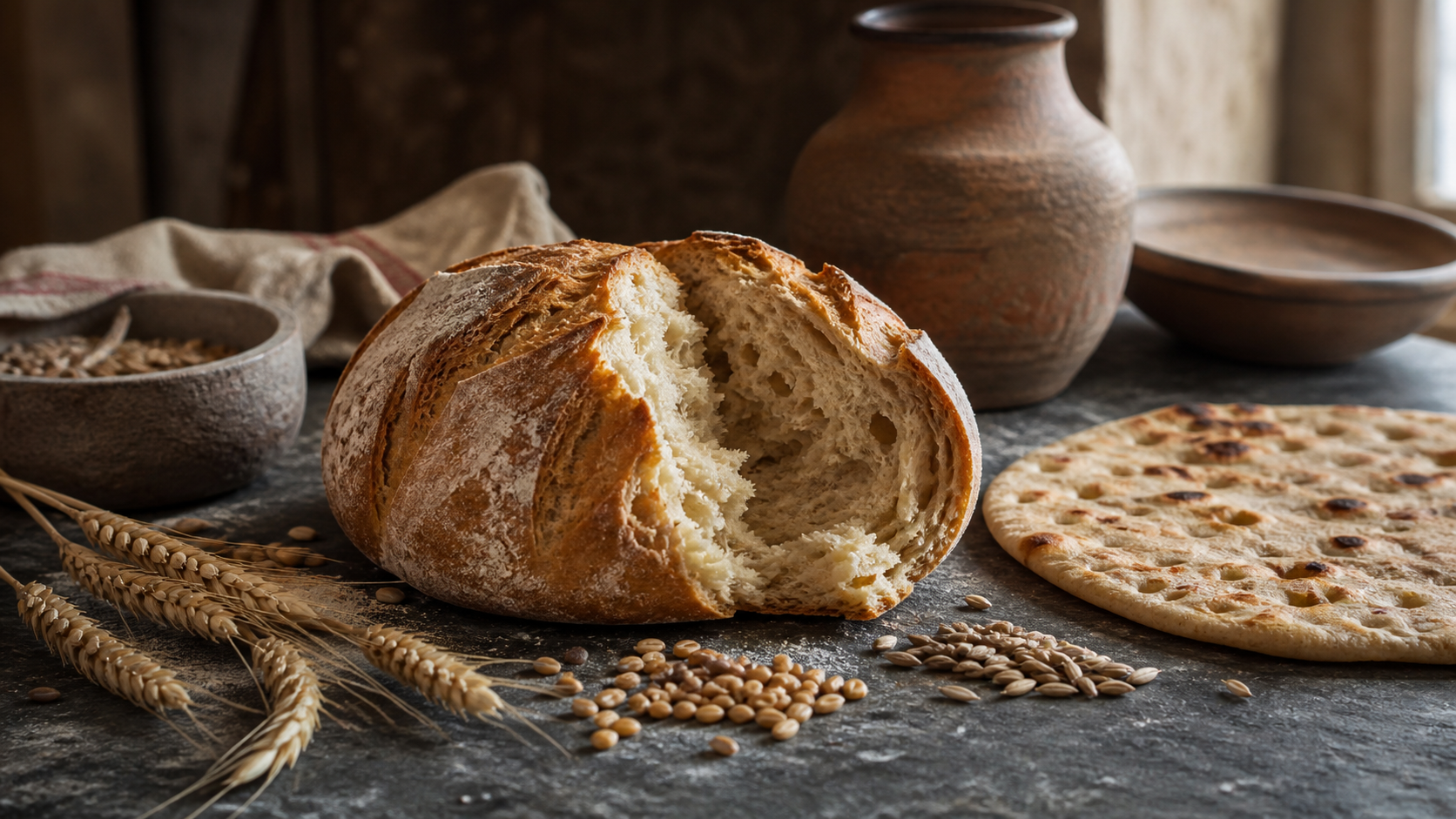
Stale or dried bread makes sense as a base because baking has already transformed the grain and created roasted flavor. Soaking extracts soluble material, while fermentation adds acidity and aroma. Malted grain offers more fermentable sugars, and added yeast can make the process faster and more predictable.
Calling kvass “bread soda” misses the labor. The maker chooses bread, water temperature, sweetness, fermentation time, and strain. The drink is a thrift technology, but also a controlled sensory transformation.
Street Tanks and Industrial Kvass
Kvass became highly visible in cities through vendors and mobile tanks. Soviet-era production standardized large volumes and made the drink a public summer refreshment. Later bottles and cans moved it into the same retail space as soda and beer.
Industrialization changed microbial practice. Pasteurization, concentrates, carbonation, and flavoring can produce a stable drink unlike a living household ferment. Both can be called kvass, but their production histories and storage needs differ.
Kvass Today
Today kvass carries nostalgia, national identity, craft-fermentation appeal, and soft-drink branding. It can accompany okroshka, be drunk cold, or serve as a base for experimentation. Diaspora markets have also expanded its audience.
The strongest modern account avoids two extremes: kvass is neither a miraculous ancient tonic nor merely a Soviet cola. It is a diverse grain ferment whose long life comes from bread culture, household reuse, microbial knowledge, and successful industrial adaptation.
Historical Timeline
Written East Slavic sources mention kvass within established grain-fermentation culture
Households and institutions make many regional forms from bread, flour, malt, fruit, and herbs
Urban vendors and later factories turn kvass into a mass beverage
Craft fermenters and commercial brands market both traditional and soft-drink styles
Evidence Explorer
Review the Source Trail
Inspect the article sources, scoped review credits, and copyable citation details without leaving the page.
Reviewed for Stated Scope
Sources Listed
Comments
Community comments are coming soon. Check back later to join the discussion!