💡 Key Takeaways
- Narezushi preserves salted fish through lactic fermentation with cooked rice.
- In many long-fermented forms rice served mainly as a fermentation medium and was often discarded.
- Shorter namanare forms made eating fish and rice together more common.
- Modern vinegar-seasoned sushi accelerated sourness instead of reproducing long fermentation.
What Is Narezushi?
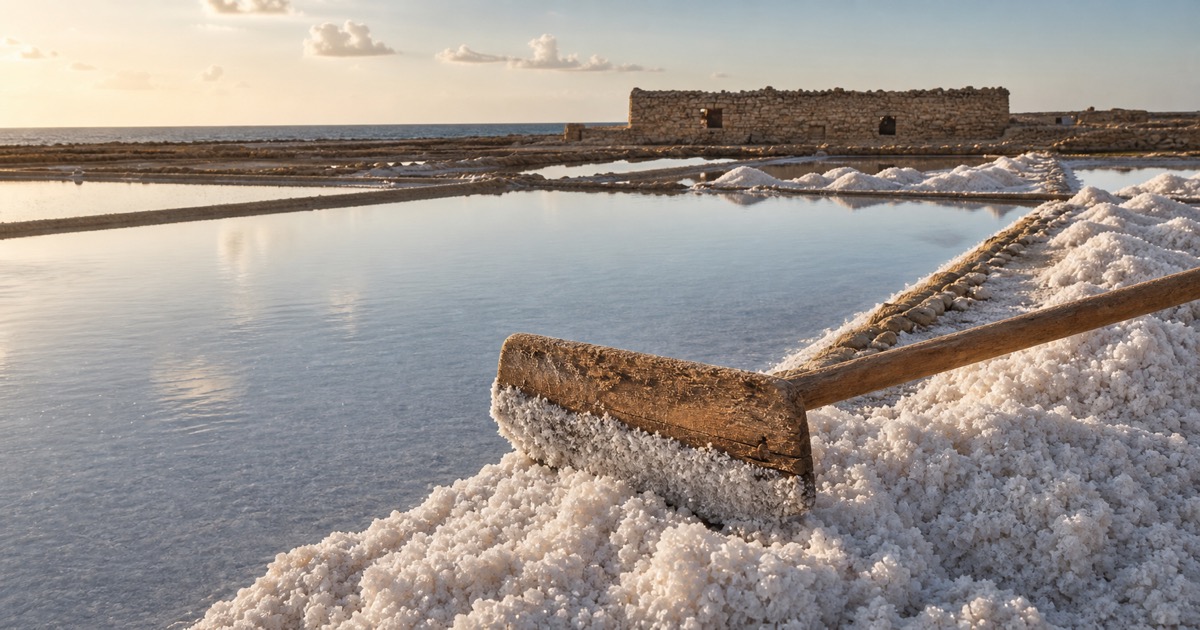
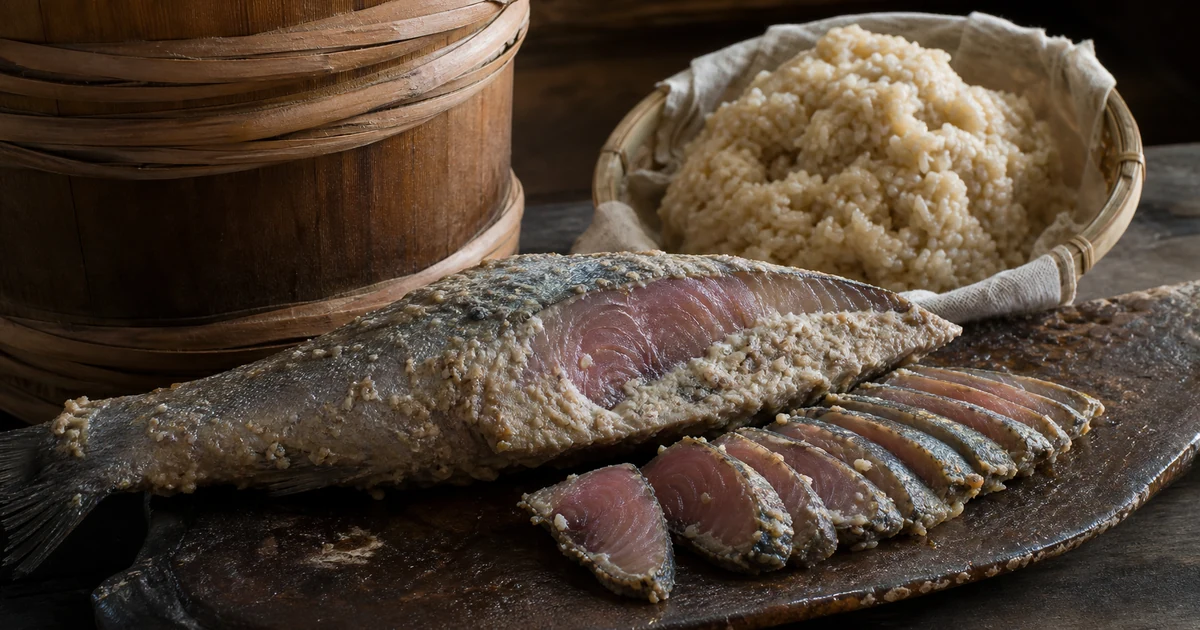
Narezushi is a family of Japanese foods in which salted fish is packed with cooked rice and fermented through lactic acid. The rice helps create an acidic environment that preserves and transforms the fish [1][2].
It is a preservation system, not merely a primitive version of restaurant sushi. Regional forms use different fish, leaves, barrels, seasons, and maturation times.
An Asian Fish-and-Rice Technology
Scholars connect narezushi to wider fish-and-rice preservation practices associated with wet-rice regions of Southeast and East Asia [2][3]. The exact path into Japan is not a single documented journey. Early Japanese state records nevertheless show that preserved fish products had administrative and elite value.
The method solved an inland problem: make a seasonal fish resource last far beyond the catch.
Was the Rice Always Thrown Away?
In many long-fermented forms, rice acted mainly as a carbohydrate source for acid-producing microbes and was often discarded after becoming intensely sour and soft. “Always” is too absolute. Household, regional, and shorter-fermented contexts varied [1][3].
The prized element in long maturation was preserved fish, but changing fermentation time changed what counted as edible.
Namanare and the Road to Vinegared Sushi
During the medieval period, shorter namanare styles made it more common to eat fish and rice together before fermentation went as far. Early modern cooks then used vinegar to create sour seasoned rice quickly, eventually enabling hayazushi and Edo nigiri [1][2].
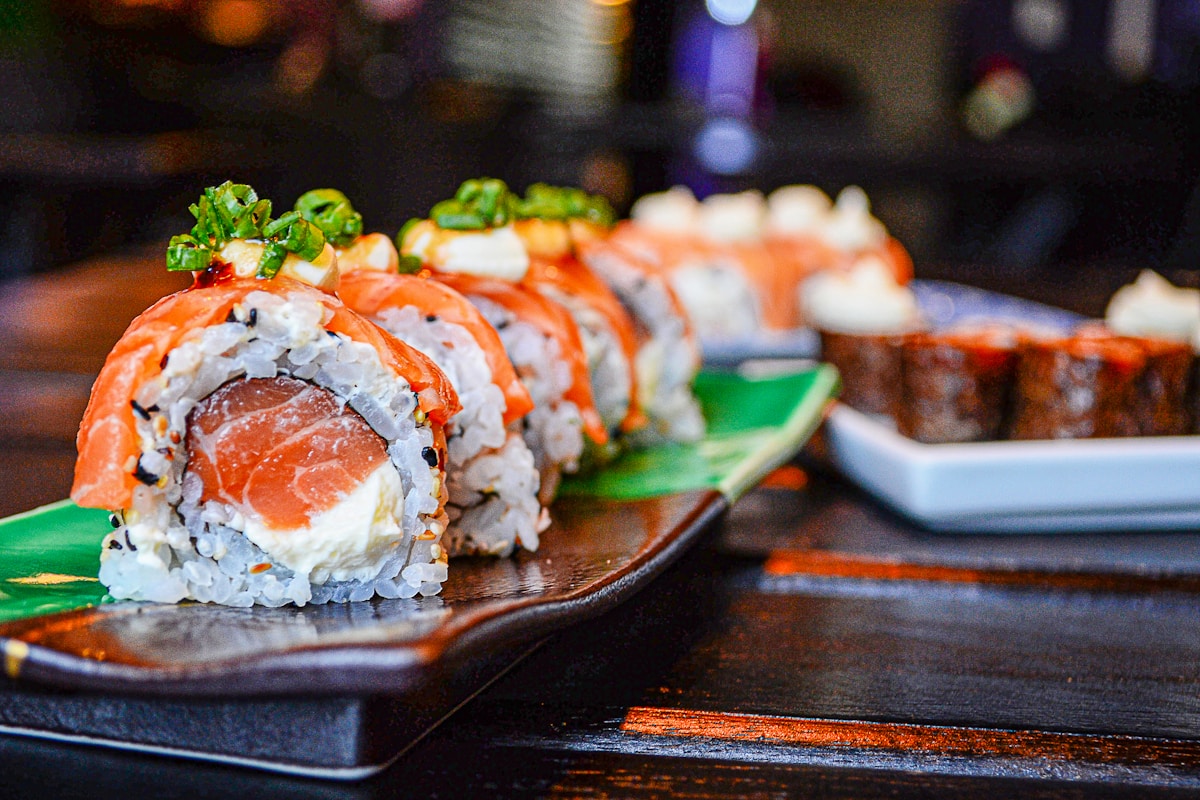
Modern sushi did not erase narezushi. It borrowed the taste of preservation and changed the clock.
Living Regional Traditions
Funazushi around Lake Biwa, mackerel narezushi in Wakayama, ayu forms in Mie, and other local foods maintain distinct calendars and ritual roles. Some are shared at New Year or connected to shrine offerings [1].
Their future depends on fish ecology, household skill, time, and willing eaters. Narezushi is living heritage, not a museum prologue to raw fish.
Historical Timeline
Fish-and-rice fermentation spreads with wet-rice food systems across parts of Asia
Administrative records identify preserved fish products within court and tax systems
Shorter-fermented namanare makes rice and fish more commonly edible together
Vinegar-seasoned hayazushi and nigiri transform preservation logic into urban food
Evidence Explorer
Review the Source Trail
Inspect the article sources, scoped review credits, and copyable citation details without leaving the page.
Reviewed for Stated Scope
Sources Listed
Comments
Community comments are coming soon. Check back later to join the discussion!