💡 Key Takeaways
- Taiyaki is a warm, fish-shaped Japanese cake, crisp on the outside and filled most traditionally with sweet red bean paste (anko), baked in a shaped iron mold.
- It was invented in Meiji-era Tokyo (around 1900) and shaped like a sea bream (*tai*), an auspicious fish in Japanese culture — making taiyaki a portable, affordable version of a luxury fish.
- The 2026 soft-serve wave uses taiyaki as an edible cone: the fish-shaped cake opened at the top and filled with swirled soft-serve, often matcha or ube flavored.
What Is Taiyaki?
Taiyaki is a warm, fish-shaped Japanese cake baked in a hinged iron mold, traditionally filled with sweet red bean paste (*anko*) [1][3]. The outside is crisp, the inside is soft and warm, and the bean paste is deeply sweet. The shape is unmistakable: a flat, scaly sea bream, complete with eye and fins, that fits in the hand.
Modern variants fill taiyaki with custard, chocolate, sweet potato, or even cheese, but the canonical filling is red bean paste. The cake is eaten warm from the mold, often with a cup of tea, and is a standard Japanese street and festival food.
Meiji Tokyo Origin
Taiyaki was invented in Meiji-era Tokyo, around 1900, and is often credited to the Naniwaya Sohonten shop in Azabu [1][6]. It evolved from an older Japanese shaped-iron cake tradition (imagawayaki, a round cake filled with red bean paste) by pouring the batter into a fish-shaped mold instead of a round one.
The choice of fish shape is cultural. The sea bream (*tai*) is associated with good fortune in Japanese culture — the word *medetai* ("auspicious") contains the *tai* sound — so a fish-shaped snack carries a built-in blessing. Taiyaki was also a way to give ordinary people the shape of an expensive fish (sea bream was a luxury) without the cost: an affordable, auspicious street food [3].
The Red Bean Tradition
The traditional taiyaki filling is red bean paste (*anko*), made by sweetening and grinding adzuki beans [3][4]. Red bean paste is one of the foundational Japanese sweet fillings, predating taiyaki by centuries, and it sits at the center of a wider Japanese sweet tradition (wagashi) that pairs sweet bean paste with rice doughs and cakes.
In the 2026 wave, taiyaki fillings have expanded dramatically — custard, chocolate, sweet potato, pistachio cream, and (most of all) soft-serve ice cream. The red bean paste filling is still the canonical version in Japan, but the soft-serve-cone format is now the version most non-Japanese eaters meet first [5].
Taiyaki and the 2026 Soft-Serve Wave
By the late 2010s and into 2026, taiyaki has been reinvented as an edible ice cream cone — the fish-shaped cake opened at the top and filled with swirled soft-serve, often matcha or ube flavored, with toppings [1]. This format, popularized by Asian-dessert shops in New York, Los Angeles, and Seoul, has spread across global dessert menus.
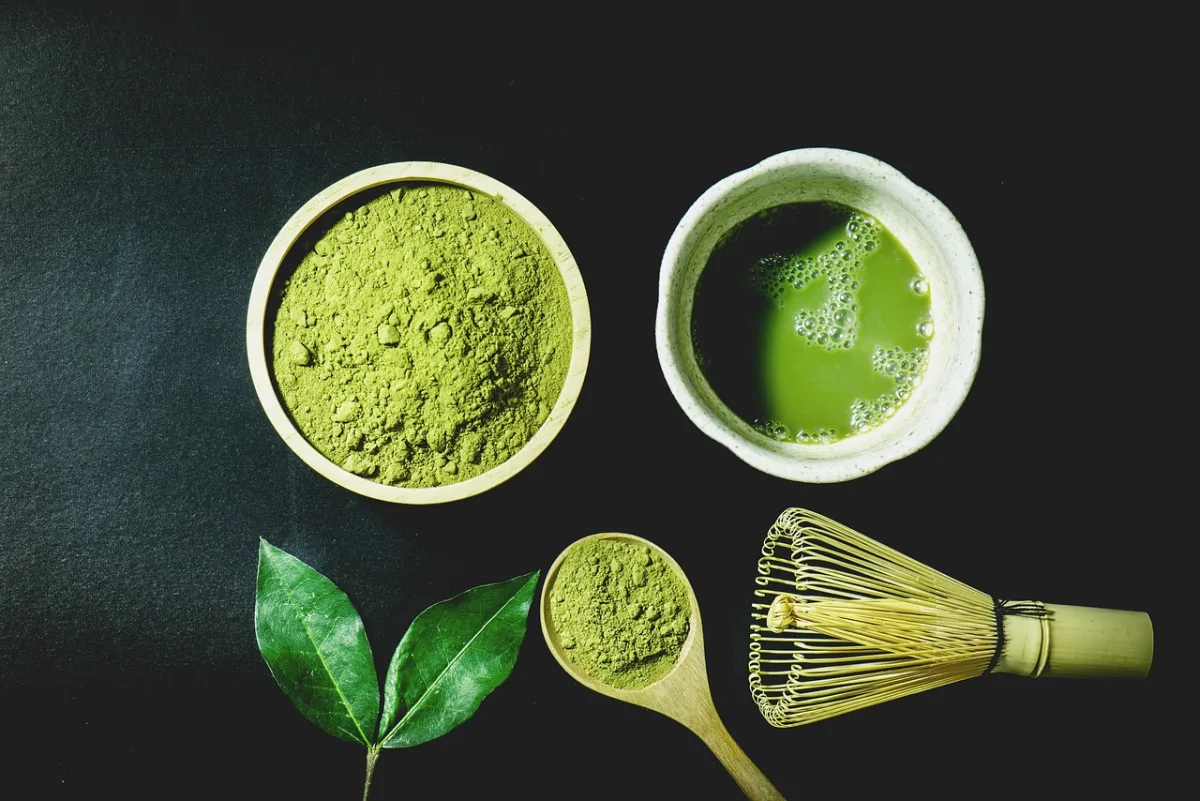
For The Foods That Shaped Us, taiyaki links rice, red bean paste, matcha, mochi ice cream, and ube — a cluster of Japanese and broader Asian dessert traditions. The honest history is a Meiji-era Tokyo fish-shaped street cake, a centuries-old red bean paste filling, and a 2026 global soft-serve cone — the same lucky-fish shape, increasingly filled with ice cream instead of anko.
Historical Timeline
Shaped-iron cakes (like imagawayaki) are already a Japanese street-food tradition; red bean paste is a long-standing Japanese sweet filling.
Taiyaki is developed in Tokyo (often credited to the Naniwaya Sohonten shop in Azabu), shaped like a sea bream — an auspicious fish.
Taiyaki becomes a standard Japanese street snack and school-festival food, traditionally filled with red bean paste, sometimes custard or chocolate.
Taiyaki crosses into US and global Asian-dessert scenes, often repurposed as an edible cone for soft-serve ice cream.
Taiyaki soft-serve cones — matcha, ube, black sesame swirls in a fish-shaped cake — become a default 2026 Asian-dessert format.
Evidence Explorer
Review the Source Trail
Inspect the article sources, scoped review credits, and copyable citation details without leaving the page.
Sources Listed
Comments
Community comments are coming soon. Check back later to join the discussion!