💡 Key Takeaways
- Tempeh is a fermented soybean cake associated with Java and wider Indonesian foodways, not simply a modern meat substitute.
- Rhizopus molds bind cooked soybeans into a firm cake while a wider microbial community helps shape regional flavor and texture.
- The exact first appearance of tempeh is not securely dated; its history is better told through soybean movement, household practice, and later documentation.
- Modern global tempeh culture expands an Indonesian food technology, but it should not erase the regional names, makers, and food contexts behind it.
What Is Tempeh?
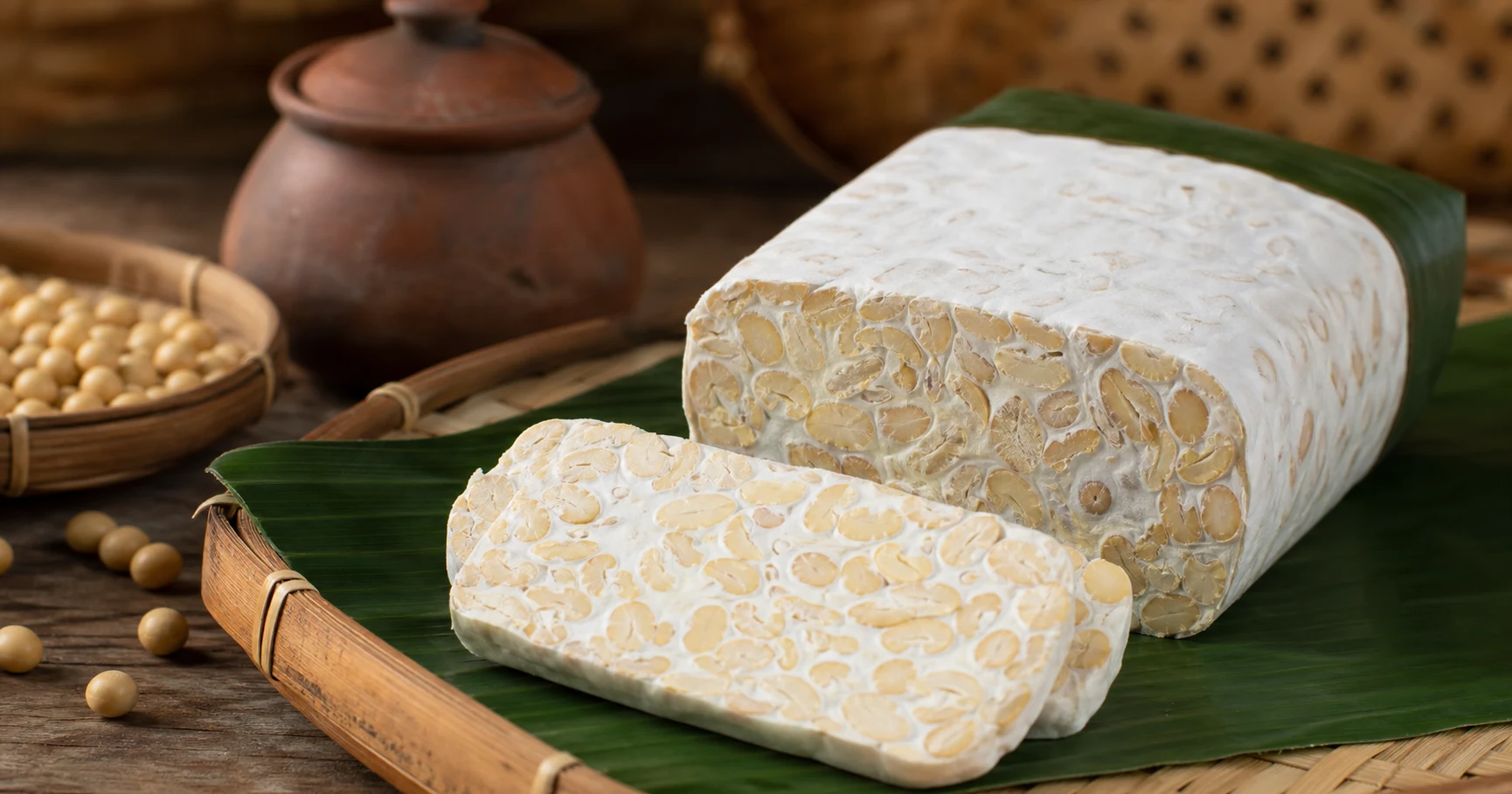
Tempeh is a fermented food made by binding cooked soybeans into a firm cake. In the most familiar form, a white network of Rhizopus mycelium grows through the beans and holds them together. That description makes tempeh sound like a laboratory product, but its historical importance is the opposite: it is a household-scale food technology in which time, warmth, moisture, plant material, and local knowledge turn a loose legume into a sliceable food.
Tempeh is not the same thing as tofu. Tofu separates soy milk into curds and whey, while tempeh keeps the bean as the visible structural base. It is also not one standardized recipe. Indonesian tempeh traditions include different substrates, wrapping materials, fermentation times, and local styles. Modern supermarket tempeh often uses dehulled soybeans and a selected starter, but the category grew from regional food practice rather than from a single inventor or commercial brand [1][4].
The best answer to the question "what is tempeh?" is therefore both technical and historical: it is a fermented soybean cake associated especially with Java, shaped by Indonesian food culture, and now adapted by producers around the world.
Where Did Tempeh Come From?
Tempeh is strongly associated with Java and Indonesia, but its exact first appearance cannot be placed confidently on one ancient date. The historical record is uneven. Household foods often leave fewer written traces than court cuisines, trade commodities, or foods taxed by states. A responsible tempeh history begins with that limitation instead of inventing a founding moment.
Soybeans themselves have a much older East Asian history. They moved through agriculture, trade, migration, and culinary exchange before becoming central to Indonesian fermentation. In Java, local food makers developed ways to work with soybeans in a warm, humid environment where controlled fermentation could improve texture, flavor, and storage. The name and practice became associated with Indonesian foodways, while the precise path from earlier soybean foods to the modern tempeh form remains a question for historians rather than a settled fact [1][4].
Colonial writing made tempeh more legible to outside researchers, but those records also filtered the food through European categories such as nutrition, hygiene, and agricultural utility. Modern scholarship is more useful when it brings the food back into its regional context: tempeh was not waiting to become a Western protein substitute. It already belonged to everyday Indonesian cooking, local markets, household labor, and regional taste.
How Fermentation Turns Soybeans Into a Cake
Tempeh begins with beans that are cleaned, soaked, cooked, and prepared for inoculation. The beans are then exposed to a starter culture, traditionally through a locally maintained fermentation practice and today often through a selected Rhizopus culture. Under warm conditions, fungal mycelium grows across and between the beans. The result is a compact cake that can be sliced, steamed, fried, grilled, or incorporated into other dishes.
The visible white mold is only part of the process. Research on tempeh communities shows that bacteria and fungi can coexist, and that the microbial profile varies across producers and Indonesian regions [2][3]. That regional variation is important. It means tempeh is not simply a single industrial organism doing one predictable job. Local temperature, water, handling, wrapping, substrate, and starter history can influence aroma, texture, and fermentation speed.
Fermentation changes the bean in ways that matter for cooking. It gives the cake a firm structure, a nutty aroma, and a flavor that can take browning and sauces. Food science can describe the enzymes and microbial communities; food history explains why people invested labor in the process. Fermentation made a durable, flexible, and culturally specific food from a crop that could be stored and transformed in multiple ways.
Tempeh, Household Labor, and Indonesian Food Culture
Tempeh history is also labor history. Beans have to be sorted, soaked, cooked, cooled, inoculated, and kept within a workable temperature range. The process looks simple once a cake is wrapped and ready, but its reliability depends on repeated observation and practical knowledge. In household and small-scale production, the maker learns to read smell, surface growth, moisture, firmness, and timing.
That knowledge sits inside Indonesian food culture rather than outside it. Tempeh is served with rice, vegetables, sambal, soups, and fried preparations; it can be everyday food, market food, or a commercial product. The category also includes variation. Producers may use different wrapping leaves or packaging, different degrees of dehulling, and different fermentation lengths. The 2024 research on region-specific bacterial communities is a reminder that "Indonesian tempeh" is not one flavor profile [3].
Modern writing often translates tempeh into the language of protein, sustainability, or meat alternatives. Those frames can help readers understand why the food is now popular, but they should not replace the local history. Tempeh was not invented for a Western wellness market. It was built through Indonesian foodways and later entered global markets that attached new meanings to it.
How Tempeh Became a Global Food
Tempeh moved internationally through several routes: Indonesian diaspora communities, food scholarship, vegetarian and natural-food networks, restaurants, refrigerated distribution, and the growth of plant-forward retail. Outside Indonesia, many consumers first encountered it as a meatless slice that could be browned in a pan. That description is not wrong, but it is incomplete. The global market translated a culturally specific fermented food into the vocabulary of protein substitution.
The translation created opportunities and risks. Better distribution made tempeh easier to find, while commercial starters and standardized packaging made production more predictable. At the same time, global branding can flatten regional differences and make the food seem like a newly discovered ingredient. A source-led article should keep both sides visible: tempeh is adaptable, but its adaptability does not erase its Indonesian history.
The current plant-forward boom also encourages health claims that outrun evidence. Tempeh is a food, not a medical treatment. Its composition depends on the beans, process, serving, and product. The historical story is stronger when it stays focused on fermentation, food labor, regional identity, and the movement of culinary knowledge rather than promising universal outcomes [1][5].
How Tempeh Is Used Today
Today tempeh appears in Indonesian home cooking, traditional markets, diaspora restaurants, vegetarian kitchens, meal-prep menus, and packaged-food aisles. It can be fried until crisp, simmered in spice-rich sauces, grilled, crumbled, or served beside rice and vegetables. The cooking method changes the experience: browning brings out roasted notes, while steaming keeps the cake softer and more porous.
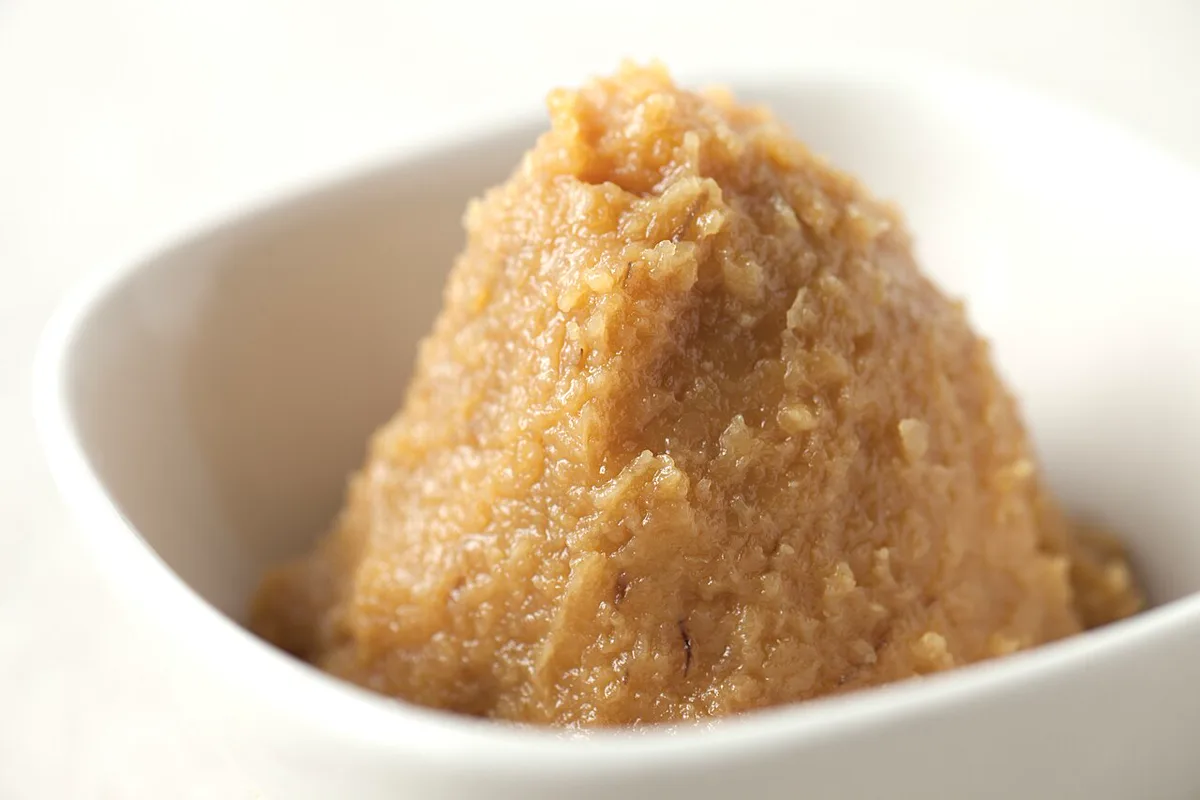
The most useful modern comparison is not "tempeh versus meat" but tempeh alongside other fermented soybean foods. Tofu is a curd. Miso and doenjang are pastes. Soy sauce is a liquid seasoning. Natto is a sticky bean ferment. Tempeh is a structured cake. Each form reflects a different answer to the same broad food-history problem: how can people transform a perishable or difficult crop into something flavorful, storable, and useful at the table?
Tempeh's global future should keep the answer grounded. It is an Indonesian fermentation tradition with a modern international life, not a blank canvas for trend language. The longer story begins in soybean agriculture, passes through household microbial knowledge, and reaches today's supermarket without losing the makers and foodways that made the cake possible.
Historical Timeline
Soybeans, wrapped foods, and household fermentation develop within Indonesian and Southeast Asian food systems
Dutch colonial-era writing and food research make tempeh more visible to outside observers, often through their own categories
Tempeh travels through natural-food, vegetarian, and Indonesian diaspora networks into wider Western markets
Industrial starters, refrigerated packaging, and plant-forward food culture make tempeh globally recognizable
Evidence Explorer
Review the Source Trail
Inspect the article sources, scoped review credits, and copyable citation details without leaving the page.
Reviewed for Stated Scope
Sources Listed
Comments
Community comments are coming soon. Check back later to join the discussion!