Pikliz vs Kimchi: Haiti’s Vinegar Heat Is Not Korean Kimchi
Pikliz and kimchi both put cabbage and chili on the table. Kimchi is a Korean salted ferment. Pikliz is a Haitian vinegar pickle. Shared vegetables do not make one condiment.
Pikliz is not kimchi. Pikliz is a Haitian condiment of shredded cabbage, carrot, and hot pepper held in vinegar or citrus. Many jars are pickled, not lactic-fermented. Kimchi is a Korean tradition of salted vegetables, often napa cabbage, usually fermented with lactic acid bacteria, chili, garlic, and often jeotgal. They share crunch and heat. They do not share a method or a cuisine.
What's happening
English menus and videos now pair pikliz with fried chicken the way they pair kimchi with rice, which invites a lazy synonym: spicy cabbage [1]. Search follows with “pikliz vs kimchi.”
The comparison is useful only if it names method. Acid from a bottle is not the same as acid from a ferment.
The history behind it
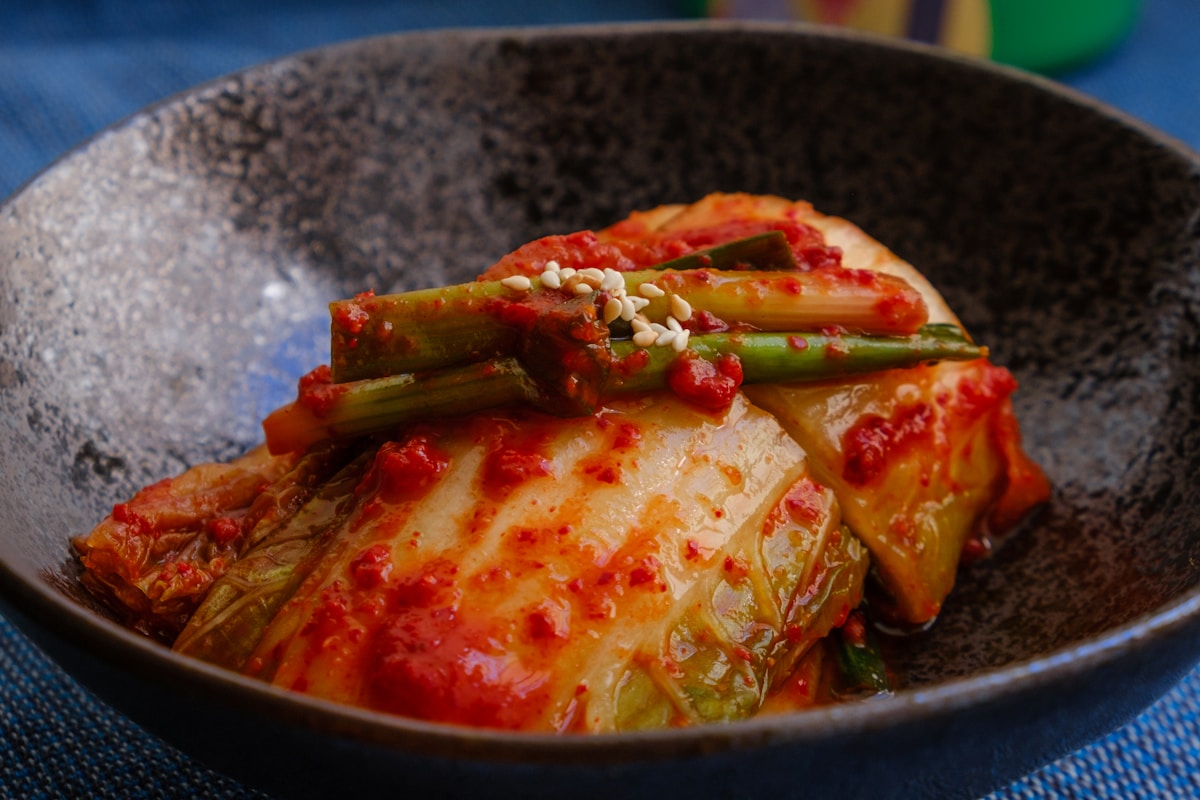
Kimchi is a Korean preservation system: vegetables salted, seasoned, and typically lactic-fermented, with chili becoming central after New World Capsicum reached Korea [2][3]. Napa cabbage kimchi is one famous form among many regional kimchi.
Pikliz belongs to Haitian foodways: shredded cabbage and carrot, Scotch bonnet, and vinegar or citrus, served with griot and fritay [4]. Its ingredients reflect colonial crop movement; its combination is Haitian. Vinegar pickling is the usual preservation logic. Calling every jar “fermented” flattens that distinction.
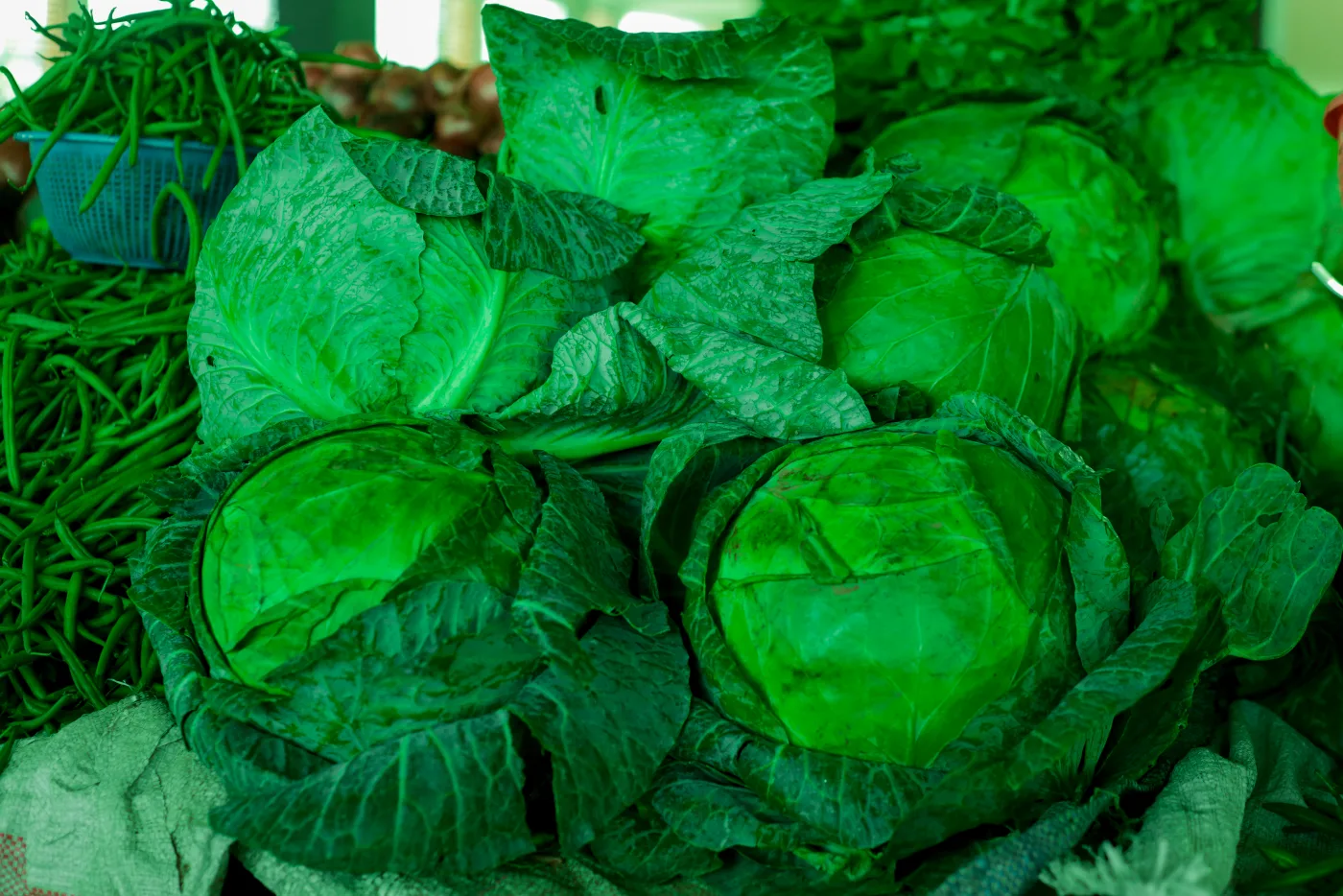
Cabbage itself is a traveler. Shared brassicas do not make shared dishes.
Why it matters
How to try it
Eat pikliz with fried plantain or griot: vinegar and Scotch bonnet should cut fat. Eat kimchi as a side or in stew: salt, garlic, and fermented depth should lead. Do not substitute one jar for the other in a recipe and expect the same dish. For the wider ferment map, see Spoiled on Purpose.
Common comparison questions
📖 Read the full history
Trend Desk notes are timely. The durable history behind each trend lives in these articles and collections.

Pikliz
How acid, Scotch bonnet heat, plantation-era crops, household preservation, and diaspora tables created Haiti’s essential sharp condiment
Kimchi
The fermented Korean staple that turned preservation into identity
Cabbage
The 4,000-year-old brassica domesticated from wild sea cabbage, spread by Romans and medieval farmers, and fermented into kimchi, sauerkraut, and the 2026 Pinterest Cabbage Crush
Fermented Foods
Explore the full collection →
Food Comparisons
Explore the full collection →
Comments
Community comments are coming soon. Check back later to join the discussion!