💡 Key Takeaways
- Birria is a Mexican meat stew strongly associated with Jalisco, traditionally often made with goat.
- Chili, long cooking, and a rich broth are core; exact recipes vary by town and household.
- U.S. birria tacos and consommé dunking are later popularizations, not the whole historical story.
- Beef versions are common in export and restaurant settings where goat is harder to source.
What Is Birria?
Birria is a Mexican meat stew, most famously associated with Jalisco, traditionally often made with goat and a chili-forward adobo. The meat is slow-cooked until soft; the surrounding broth becomes as important as the meat itself [1][4]. Searching “birria origin” should land on that stew tradition first, not only on the later taco video format.
Like many regional Mexican dishes, birria is a family of methods rather than one inventor recipe. Towns and households disagree about chilies, aromatics, and whether goat, lamb, or beef is authentic for a given table.
Jalisco Roots and Regional Logic
Western Mexico’s pastoral and market foodways help explain goat stews cooked for gatherings, Sundays, and street commerce. Chili pastes, slow heat, and tortillas for serving made birria portable and communal. Food historians treat Jalisco as the strong geographic anchor while acknowledging neighboring variants [2][3].
The dish’s prestige inside Mexico was regional long before English-language food media noticed it. That matters for food history: viral attention did not create birria; it exported one presentation of it.
From Stew Bowl to Birria Tacos
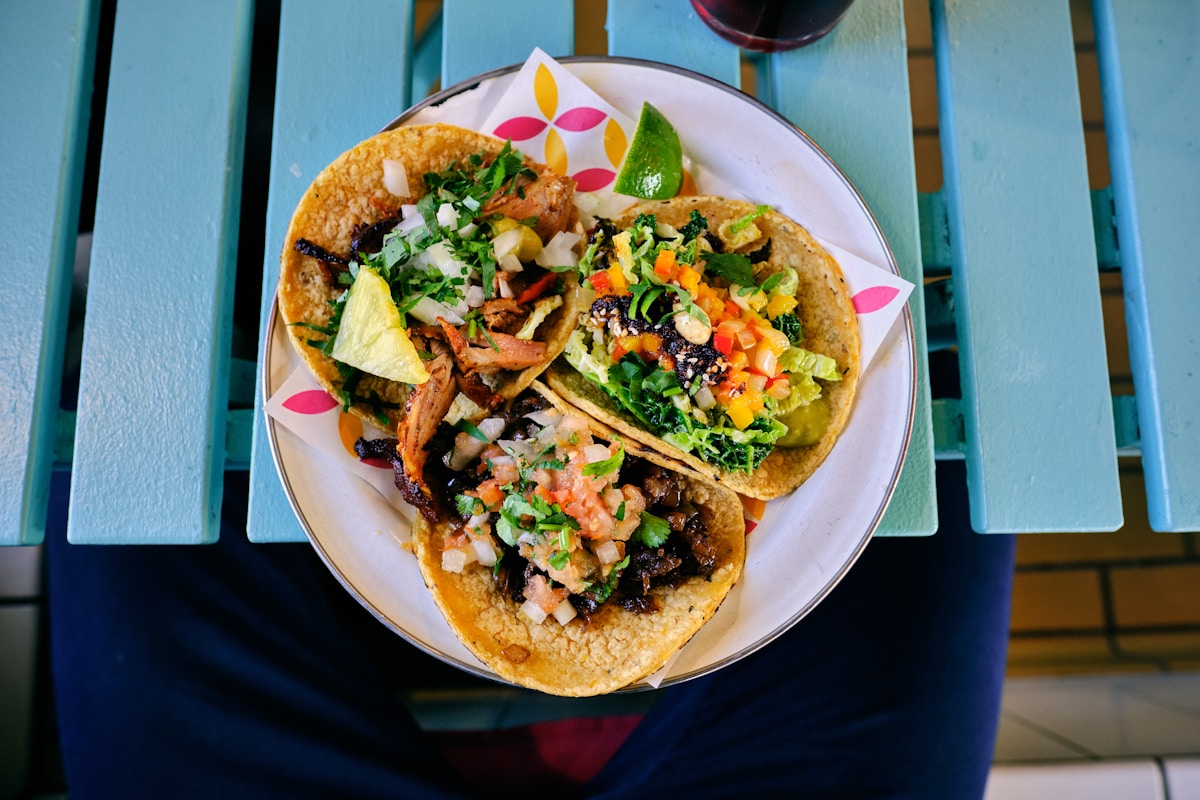
In U.S. cities, especially with Mexican migration and restaurant competition, birria often appears as fried or griddled tacos filled with shredded meat and served with a cup of red consommé for dipping. Beef frequently replaces goat for cost and supply. Cheese, consommé color, and camera-ready dunking became part of the 2020s boom.
A source-led page should keep the hierarchy clear: stew first, taco format second. The dunked taco is a brilliant modern service idea built on an older braise.
Why Birria Belongs in Food History Now
Birria is a clean example of regional Mexican cuisine becoming a global search object without losing its older stew identity. Readers asking where birria comes from deserve Jalisco, goat, chili, and long cooking — then the honest coda that LA queues and social video changed how the world first sees it.
For related New World chile and tortilla context, see chili pepper and maize histories that underwrite the whole taco system.
In the news
Recent 2026 food-culture notes that reference this article.
Historical Timeline
Goat and chili stews develop as local celebration and market foods in Jalisco-associated foodways
Birria becomes a recognizable regional specialty beyond local fiestas
Migration and restaurants carry birria into U.S. cities
Birria tacos, red consommé, and social video make the dish a national search term
Evidence Explorer
Review the Source Trail
Inspect the article sources, scoped review credits, and copyable citation details without leaving the page.
Reviewed for Stated Scope
Sources Listed
Comments
Community comments are coming soon. Check back later to join the discussion!