💡 Key Takeaways
- Broccolini is a hybrid of broccoli and gailan (Chinese broccoli), bred by the Japanese Sakata Seed Company in the early 1990s.
- It was licensed to Mann Packing in the United States in 1996 and marketed as Broccolini, a branded baby vegetable with long stems and small florets.
- Broccolini became a 2026 cafe and roasting favorite because its tender stems, mild flavor, and quick cooking fit modern vegetable-forward cooking.
Where did broccolini originate?
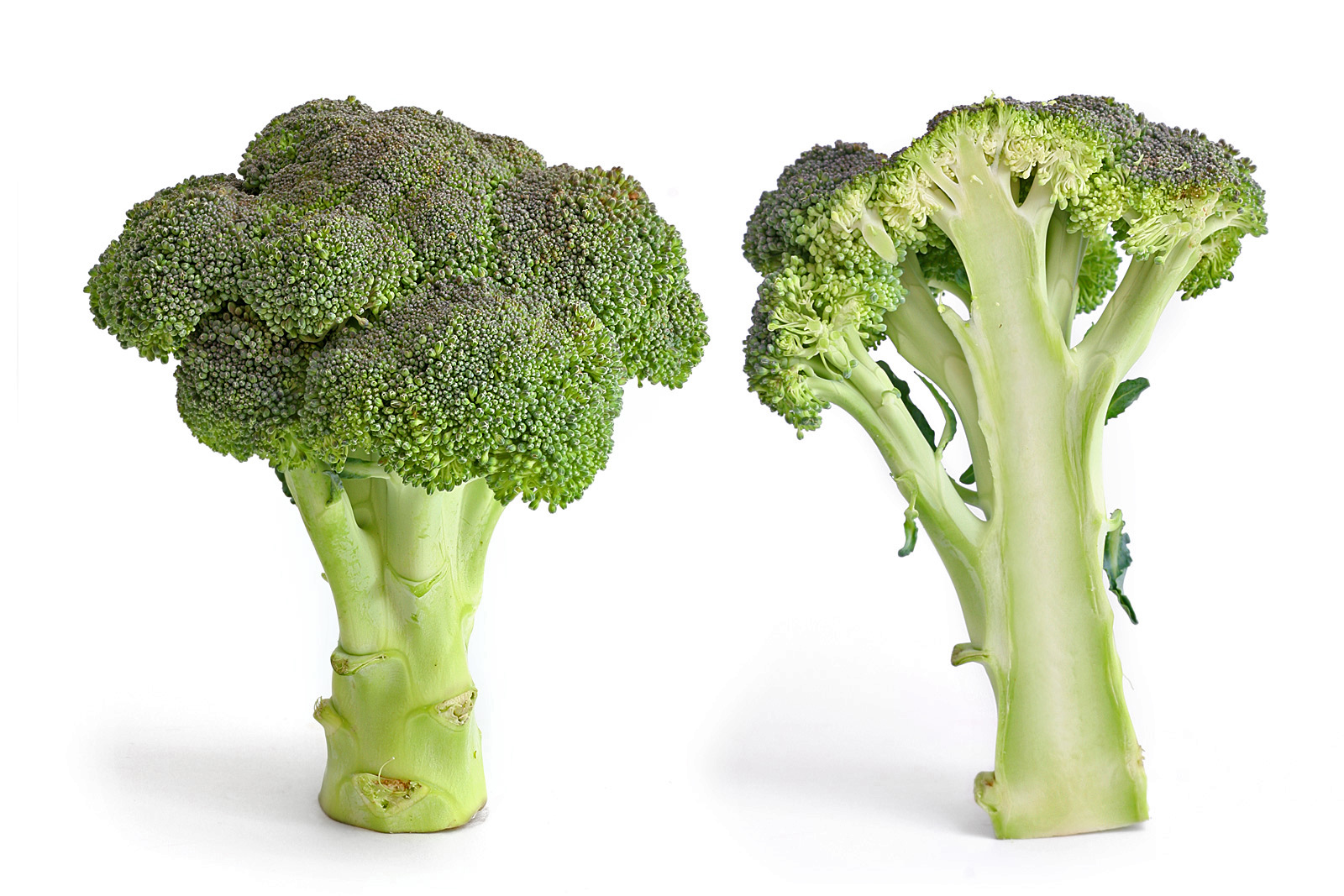
Broccolini is a hybrid of broccoli and gailan, Chinese broccoli, both cultivars of Brassica oleracea, bred by the Japanese Sakata Seed Company in the early 1990s [2]. It combines broccoli florets with the long, tender stems and mild flavor of gailan, producing a vegetable that cooks quickly and looks elegant on a plate [3][4].
Unlike broccoli, cabbage, and cauliflower, which have centuries of European and Asian history, broccolini is a deliberately modern crop. It belongs to the small category of branded vegetables created through twentieth-century plant breeding and marketing.
Broccoli, Gailan, and Brassica Ancestry
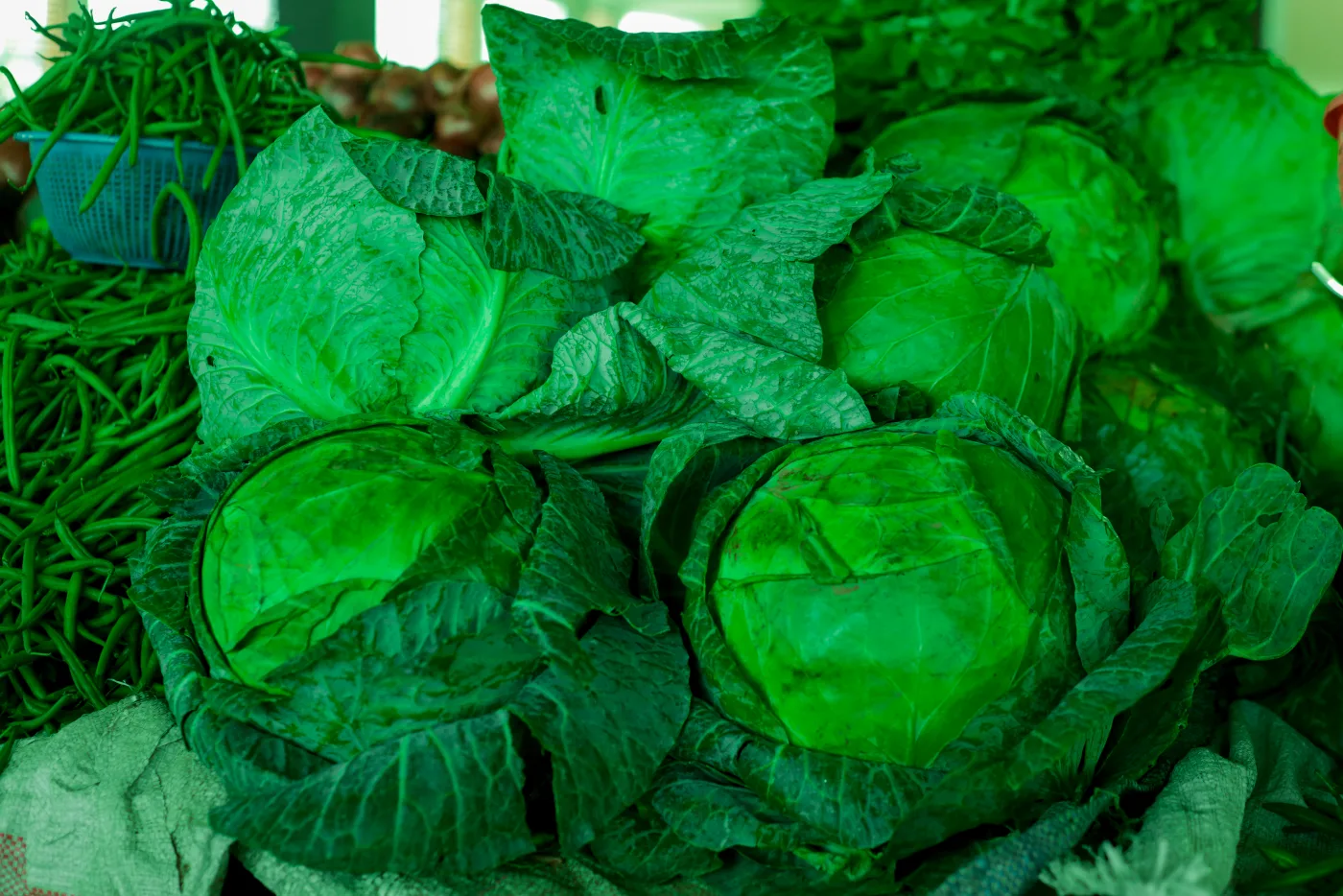
The deeper history behind broccolini is the story of Brassica oleracea, the wild cabbage that gave rise to broccoli, cabbage, cauliflower, kale, and gailan. Roman and Italian food cultures refined broccoli over centuries, while Chinese cooks developed gailan for its stems and flower buds [4][5].
Sakata’s hybrid joined those two traditions. By crossing European broccoli with Chinese gailan, breeders created a vegetable that carried the floret appeal of broccoli and the stem and leaf tenderness of gailan in one plant.
Sakata, Asparation, and Branding
The Sakata Seed Company developed the hybrid in 1993 and originally marketed it as Asparation. In 1996 Sakata licensed the hybrid to Mann Packing in the United States, which branded it as Broccolini, a name that signaled broccoli lineage while distinguishing the new product [2].
Branding mattered because broccolini was not a traditional landrace vegetable. It was a patented, licensed cultivar sold under a trademark, which is why its history is tied to seed companies and produce marketers as much as to farmers.
The 2026 Cafe and Roasting Trend
By 2026, broccolini had become a recognizable cafe and restaurant vegetable. FoodNavigator lists cruciferous and baby vegetables among rising produce flavors, and broccolini appears in roasting menus, pasta, grain bowls, and vegetable-forward cooking [1]. It fits modern kitchens because it cooks in minutes, photographs well, and carries a premium feel without strong bitterness.
A source-led food-history page should note that this trend is recent. Broccolini’s rise is a story about how plant breeding, branding, and restaurant culture can turn a 1990s hybrid into a modern staple in a single generation.
How Broccolini Is Used Today
Today broccolini is sauteed, roasted, grilled, steamed, and charred with olive oil, garlic, chili, lemon, and salt. It appears in pasta, grain bowls, pizzas, stir-fries, and cafe vegetable plates.
For The Foods That Shaped Us, broccolini links broccoli, cabbage, cauliflower, garlic, olive oil, and lemon, extending the Brassica cluster with a modern branded hybrid.
Historical Timeline
Cabbage and its cruciferous relatives, the ancestors of broccoli, are cultivated and refined in Roman and later Italian food cultures
Gailan (Chinese broccoli) develops as a leafy Brassica oleracea variant prized for stems and flower buds
The Japanese Sakata Seed Company develops a hybrid of broccoli and gailan, originally marketed as Asparation
Sakata licenses the hybrid to Mann Packing in the United States, which markets it as Broccolini
Broccolini spreads through restaurants, supermarkets, and food media as a premium baby vegetable
Broccolini becomes a cafe and roasting favorite in vegetable-forward cooking
Evidence Explorer
Review the Source Trail
Inspect the article sources, scoped review credits, and copyable citation details without leaving the page.
Sources Listed
Comments
Community comments are coming soon. Check back later to join the discussion!