💡 Key Takeaways
- Sweet potatoes are the edible storage roots of Ipomoea batatas, domesticated in the Americas, most likely in the Andean or Caribbean region, long before European contact.
- Their pre-Columbian arrival in Polynesia, evidenced by the kumara, is one of the clearest cases of ancient American-Pacific contact before the Columbian Exchange.
- Sweet potatoes became staples in Africa, Japan, and the American South through colonial trade and adaptation, and now trend in 2026 fries, toast, bowls, and fiber-forward cooking.
Where did sweet potato originate?
Sweet potatoes are the edible storage roots of Ipomoea batatas, a climbing morning-glory relative domesticated in the Americas long before European contact. Genetic and archaeological evidence points to an Andean or Caribbean origin, with the International Potato Center placing sweetpotato among the most important root crops of the pre-Columbian Americas [2][3]. Unlike the potato, which is a tuber of the nightshade family, the sweet potato is a morning-glory root, which is why the two foods have different histories despite similar names.
The food-history importance of the sweet potato begins with two journeys: an ancient crossing of the Pacific into Polynesia, and a post-1492 global spread through the Columbian Exchange [3][5].
Polynesia and the Kumara Question
One of the most debated questions in food history is how sweet potatoes reached Polynesia before Europeans. Polynesian peoples knew the plant as kumara, a name close to Andean Quechua terms for sweet potato, and archaeological and genetic evidence supports pre-Columbian presence in the Pacific [3][4].
The safest reading is that sweet potatoes crossed the Pacific before the Columbian Exchange, whether through Polynesian voyaging to South America, drift voyages, or earlier contact. That makes the sweet potato one of the strongest pieces of evidence for ancient American-Pacific contact, and a reminder that global food history did not begin in 1492.
Africa, Asia, and the Columbian Exchange
After 1492, Spanish and Portuguese ships carried sweet potatoes across the Atlantic and Indian Ocean. Sweet potatoes became important staples in Africa, where their hardiness and vitamin A content suited difficult growing conditions, and in India, China, and Japan [3][4]. In Japan, the satsuma imo, introduced via the Ryukyu Islands, became a major crop that helped Edo-period communities survive rice failures.
In the American South, sweet potatoes became tied to survival agriculture and later to soul food, appearing in pies, candied yams, casseroles, and biscuits. Their spread shows how a New World root became a global comfort food through colonial trade and local adaptation.
The 2026 Trend: Fries, Toast, and Bowls
By 2026, sweet potatoes had moved well beyond casseroles. FoodNavigator lists sweet potato among rising cafe and comfort-food flavors, with sweet potato fries, sweet potato toast, roasted sweet potato bowls, and fiber-forward baking all visible on menus and social media [1]. The tuber fits modern food culture because it is colorful, naturally sweet, fiber-rich, and adaptable to both savory fries and sweet desserts.
A source-led food-history page should resist turning that into a health verdict. The stronger story is cultural: an Andean root that crossed oceans now keeps finding new formats because it is cheap, durable, and photogenic.
How Sweet Potatoes Are Used Today
Today sweet potatoes appear in fries, roasted wedges, toast, bowls, pies, biscuits, soups, curries, mochi, and Japanese sweets. African, Asian, and Southern American cuisines all keep older recipes alive while cafes and home cooks add new ones.
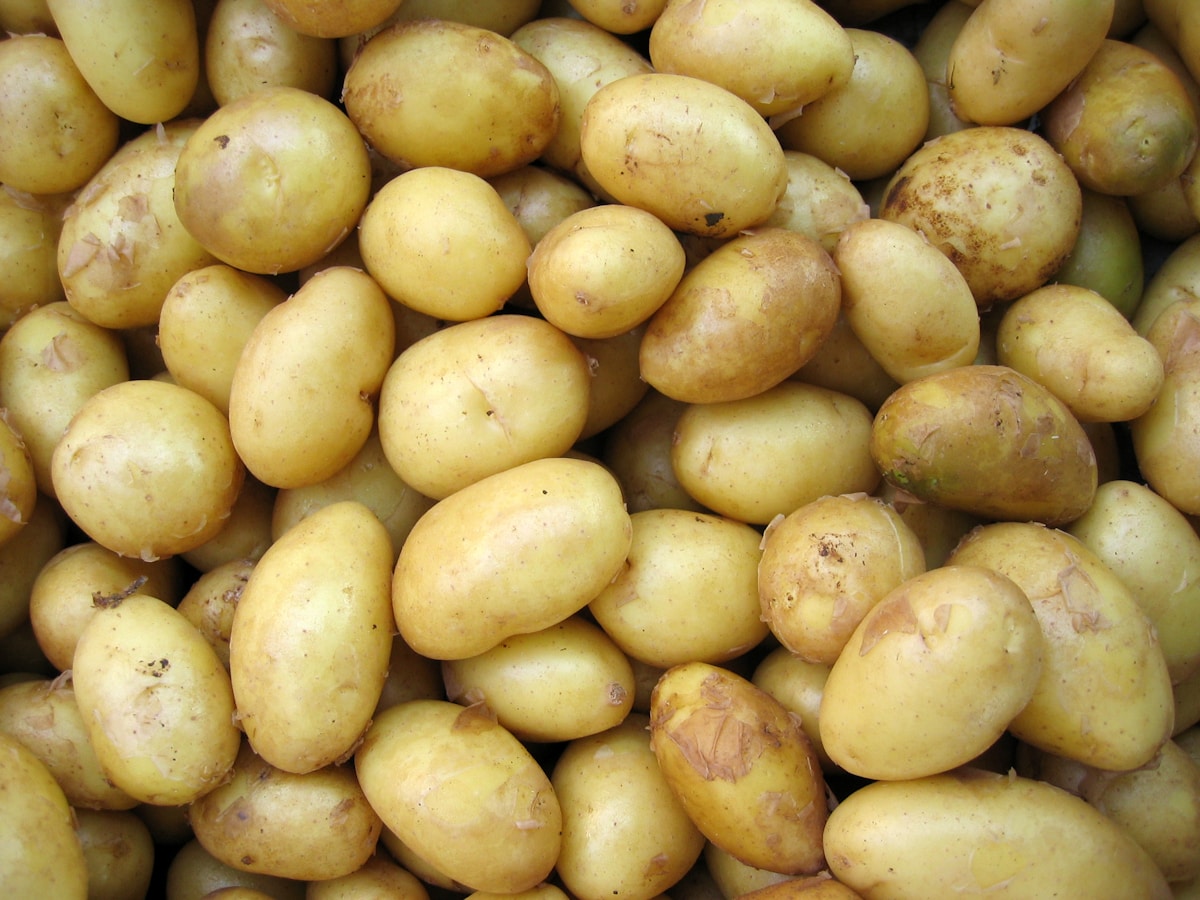
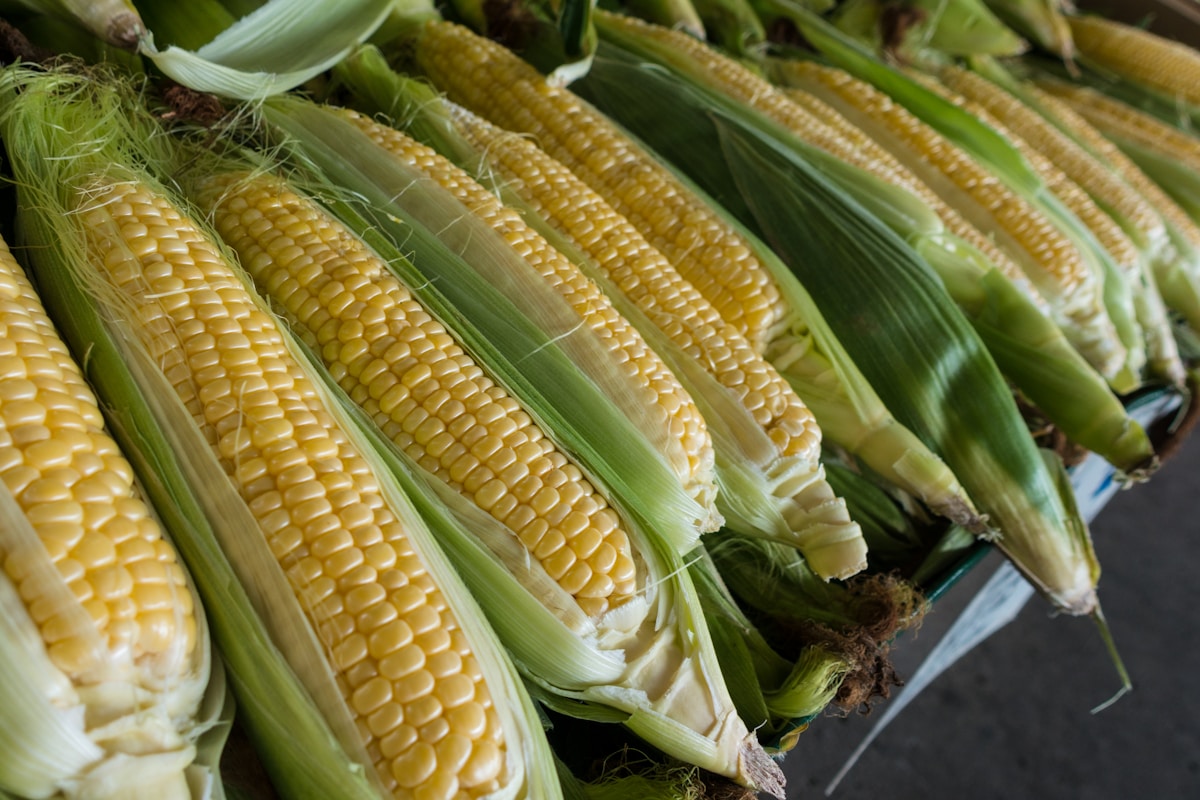
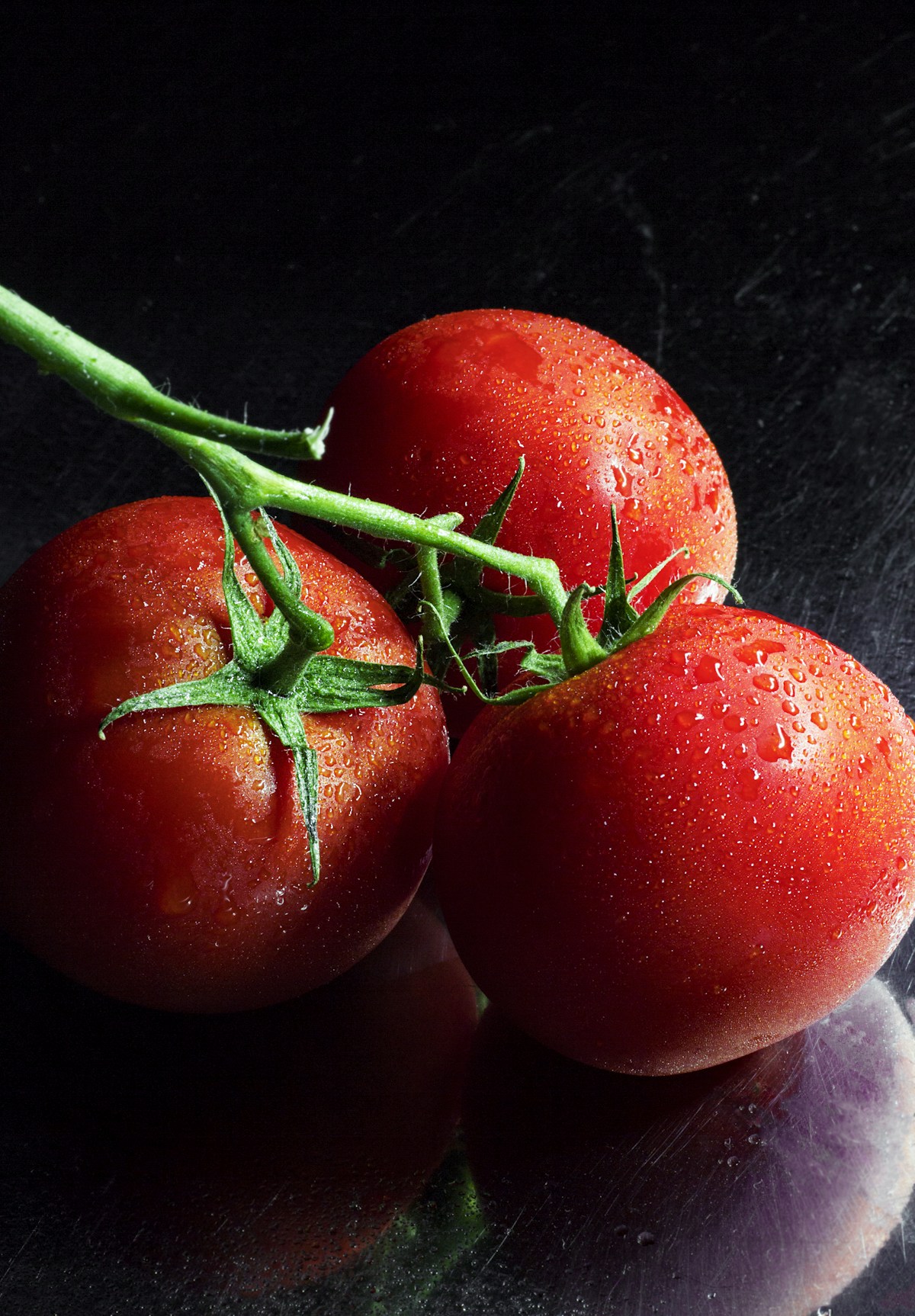
For The Foods That Shaped Us, sweet potatoes link potato, corn, tomato, chili pepper, salt, and butter, completing the Andean cluster and bridging into 2026 comfort-food trends.
Historical Timeline
Sweet potatoes are domesticated in the Americas, with genetic and archaeological evidence pointing to Andean or Caribbean origins
Sweet potatoes reach Polynesia, where they are known as kumara, evidence of American-Pacific contact before European voyages
The Columbian Exchange carries sweet potatoes from the Americas to Europe, Africa, and Asia via Spanish and Portuguese trade
Sweet potatoes become important staples in parts of Africa, India, China, and Japan, where satsuma imo develops
Sweet potatoes anchor Southern US food culture and survival agriculture, including during hardship periods
Sweet potatoes trend in fries, toast, bowls, and fiber-forward cafe cooking
Evidence Explorer
Review the Source Trail
Inspect the article sources, scoped review credits, and copyable citation details without leaving the page.
Sources Listed
Comments
Community comments are coming soon. Check back later to join the discussion!