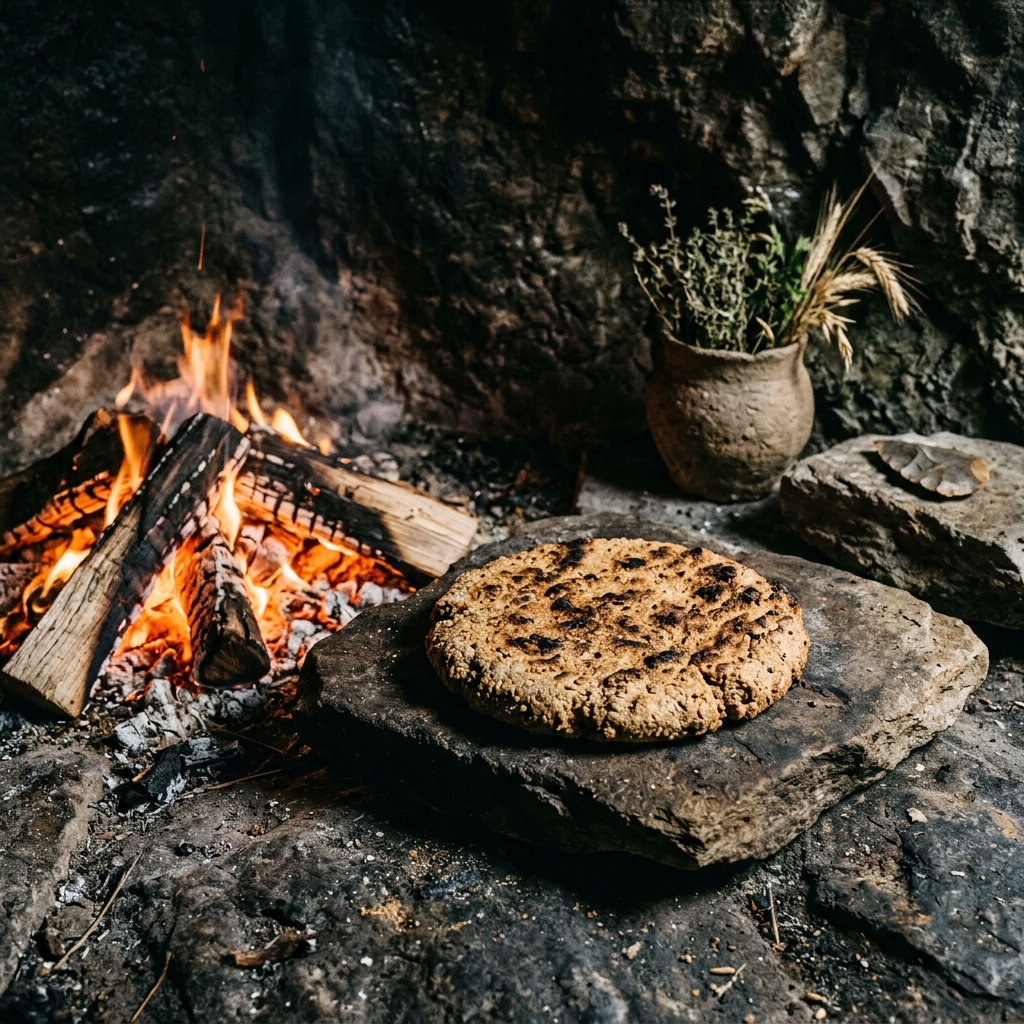
A rustic, slightly charred Neolithic einkorn flatbread on a flat stone next to a cave fire.

The 5,300-Year-Old Starter — History, Origins & Cultural Impact

Recreating the Oldest Sourdough on Earth

📍 The Alpine Region, Europe📅 3300 BCE5 min read
Published: ·Updated: ·
Advertisement
The 5,300-Year-Old Starter — History, Origins & Cultural Impact

What is the history of the iceman's final meal for the 5,300-year-old starter?

When hikers discovered the naturally mummified body of Ötzi the Iceman in the Italian Alps in 1991, they unlocked a time capsule of prehistoric human life. Microbiological analysis of Ötzi's stomach and intestinal tract revealed his final meals before his death around 3300 BCE. Alongside red deer and ibex meat, scientists found distinct, finely ground particles of einkorn wheat (Triticum monococcum) that showed signs of thermal processing—proving that Ötzi had consumed a baked grain flatbread shortly before climbing the glacier.

Advertisement

What is the history of the neolithic baking technology for the 5,300-year-old starter?

Neolithic baking was primitive but highly effective. Prehistoric bakers ground wild einkorn and emmer grains between flat stones, mixed the flour with water, and patted the dough into thin flatbreads. Without ovens, they baked these flatbreads directly on flat rocks preheated by campfires or directly on hot wood coals. The resulting bread was dense, dry, and durable, allowing hunters and travelers to carry shelf-stable carbohydrates across long distances.

What is the history of recreating the neolithic sourdough for the 5,300-year-old starter?

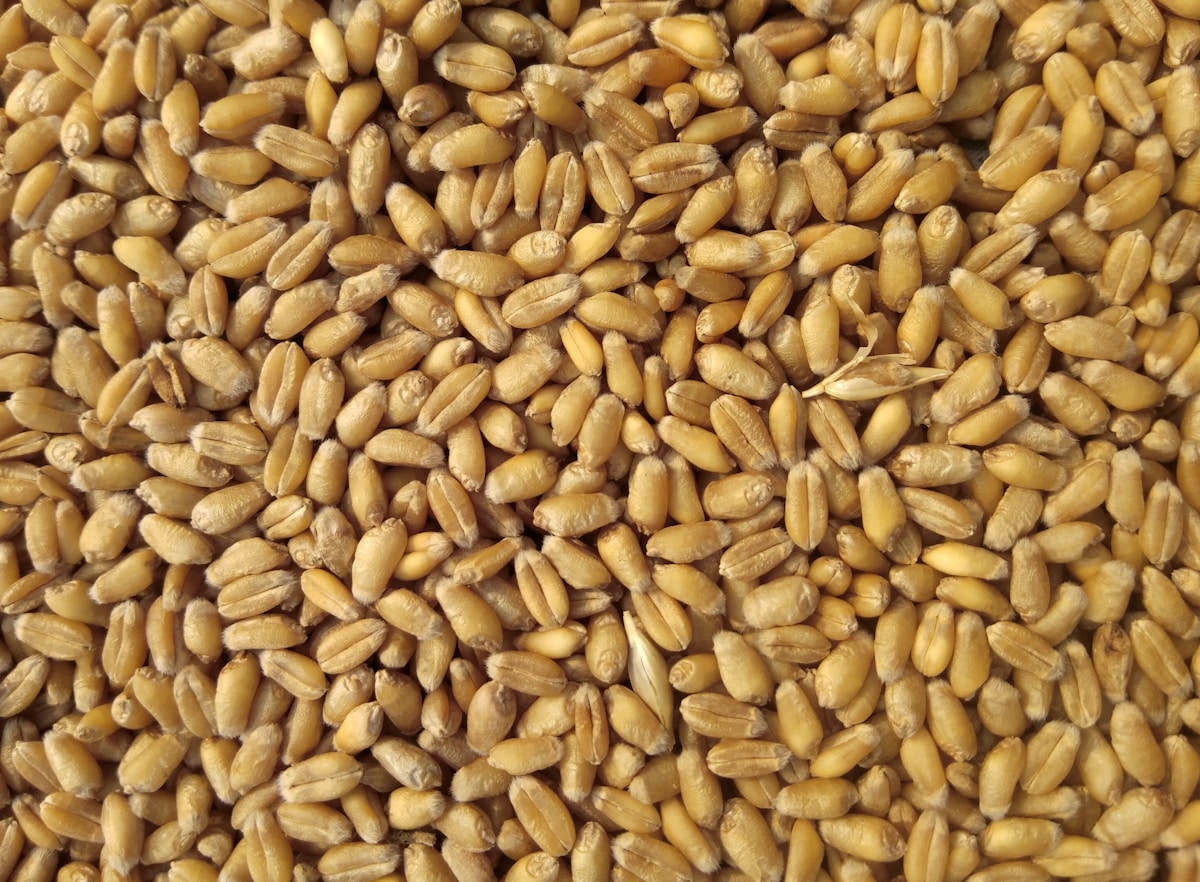
Modern archaeobotanical finds, such as the charred bread remains discovered at the Parkhaus Opéra site in Zürich, show that Neolithic flatbreads sometimes underwent wild fermentation. Wild yeasts present on the hulls of ancient einkorn grains would naturally ferment the dough if left to rest. Recreating this prehistoric bread today requires using heirloom einkorn flour, fermenting it with wild Alpine yeast starters, and baking it on open embers to capture the smoky, dense character of the oldest bread on Earth.

Historical Timeline

3300 BCE

Otzi the Iceman consumes a final meal of einkorn bread, red deer meat, and ibex before his death in the Alps.

1991

Otzi's mummified body is discovered in the Otztal Alps, containing perfectly preserved ancient grain particles.

2017

Archaeologists in Zurich discover charred remains of actual baked Neolithic flatbread dating back 5,000 years.

🎉 Fun Historical Facts

  • Otzi's last meal included charcoal particles, indicating his einkorn bread was baked directly on open embers.
  • Einkorn wheat has 14 chromosomes compared to modern bread wheat's 42, making it much simpler and structurally distinct.
  • Prehistoric bread was not soft; it was a dense, unleavened or lightly fermented flatbread that acted as highly portable energy.

📚 Sources & References

  1. [1]Klaus Oeggl. The Diet of the Iceman. Eurac Research Mummy Studies (2000).
    Find Book
  2. [2]Andreas G. Heiss. Neolithic bread remains from the lakeside settlement of Parkhaus Opéra, Zürich. Journal of Archaeological Science (2017).
    Find Book

Articles are reviewed internally for source quality, historical context, clarity, and relevance. Our references may include academic books, university-press publications, museum records, archaeological studies, peer-reviewed journals, historical archives, official cultural institutions, and established food-history works. Case file links point to supporting evidence.

Evidence Explorer

Review the Source Trail

Inspect the article sources, scoped review credits, and copyable citation details without leaving the page.

Case File Link

Did Otzi the Iceman eat sourdough bread?

Source and factual review: Neolithic archaeology, archaeobotanical stomach audits, and Alpine mummy records.

Read this case file
View all food-history case files

Sources Listed

[1] Klaus Oeggl. The Diet of the IcemanEurac Research Mummy Studies (2000)

[2] Andreas G. Heiss. Neolithic bread remains from the lakeside settlement of Parkhaus Opéra, ZürichJournal of Archaeological Science (2017)

Advertisement
🏛️

Written by The Foods That Shaped Us Research Desk

The Foods That Shaped Us Research Desk is the publication byline for legacy and collaboratively maintained food-history articles. Articles are researched and edited through a publication-led process, grounded in cited sources, and reviewed for historical context, source quality, and clarity.

Comments

Community comments are coming soon. Check back later to join the discussion!
Related Foods