Old flavors, new feed
Asian Dessert Flavors Going Mainstream: Ube, Pandan, Sesame, and Matcha
Asian dessert flavors are having a mainstream moment, but the ingredients underneath them are not new. Ube and pandan carry Philippine and Southeast Asian kitchen histories; sesame and rice anchor millennia of oilseed and grain cooking; matcha and yuzu travel through Japanese and East Asian aroma culture; pistachio and coconut link older trade routes to today's pastry case. The 2026 wave is visual, viral, and cafe-driven — purple ube, green pandan, black sesame, powdered tea — built on much older dessert and aroma traditions.
Purple and Green Visual Flavors
Ube and pandan lead the photogenic dessert wave: Filipino purple yam and Southeast Asian aroma leaf, both longtime home-kitchen flavors now in global bakery cases.
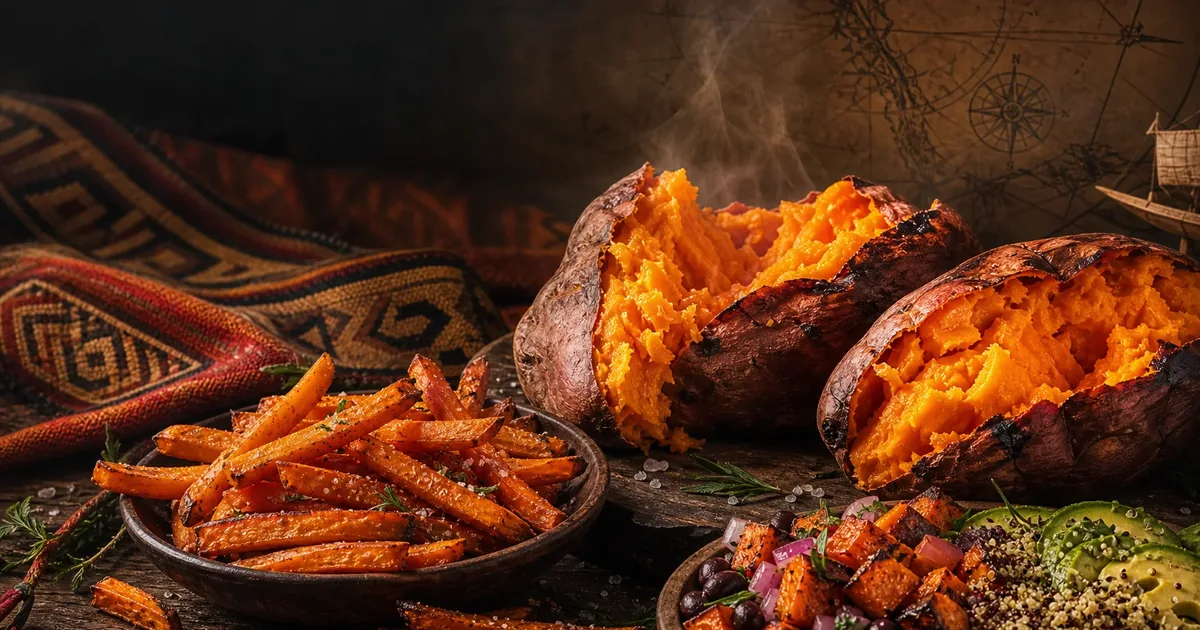 ingredients
Ube
The Filipino purple yam (Dioscorea alata) behind ube halaya, ice cream, and diaspora bakeries — and why global cafes call it the next matcha
 ingredients
Pandan
The fragrant screwpine leaf behind pandan cake, coconut rice, and Southeast Asian sweets — and a 2026 visual-flavor wave often compared to vanilla
Tea, Citrus, and Nut Pairings
Matcha, yuzu, and pistachio show how powdered tea, East Asian citrus, and luxury nuts drive cafe fusions and viral pastry formats.
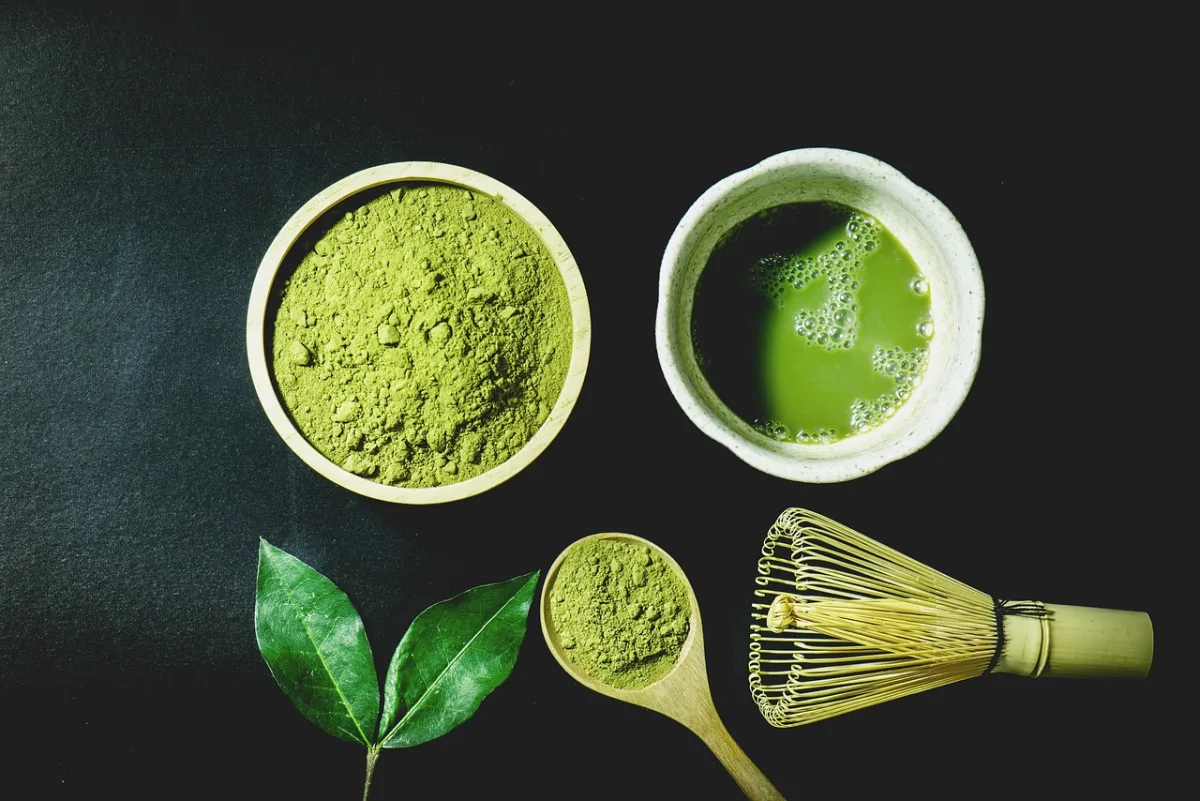 drinks
Matcha
The powdered tea that traveled from monasteries to Japanese ritual and global cafe culture
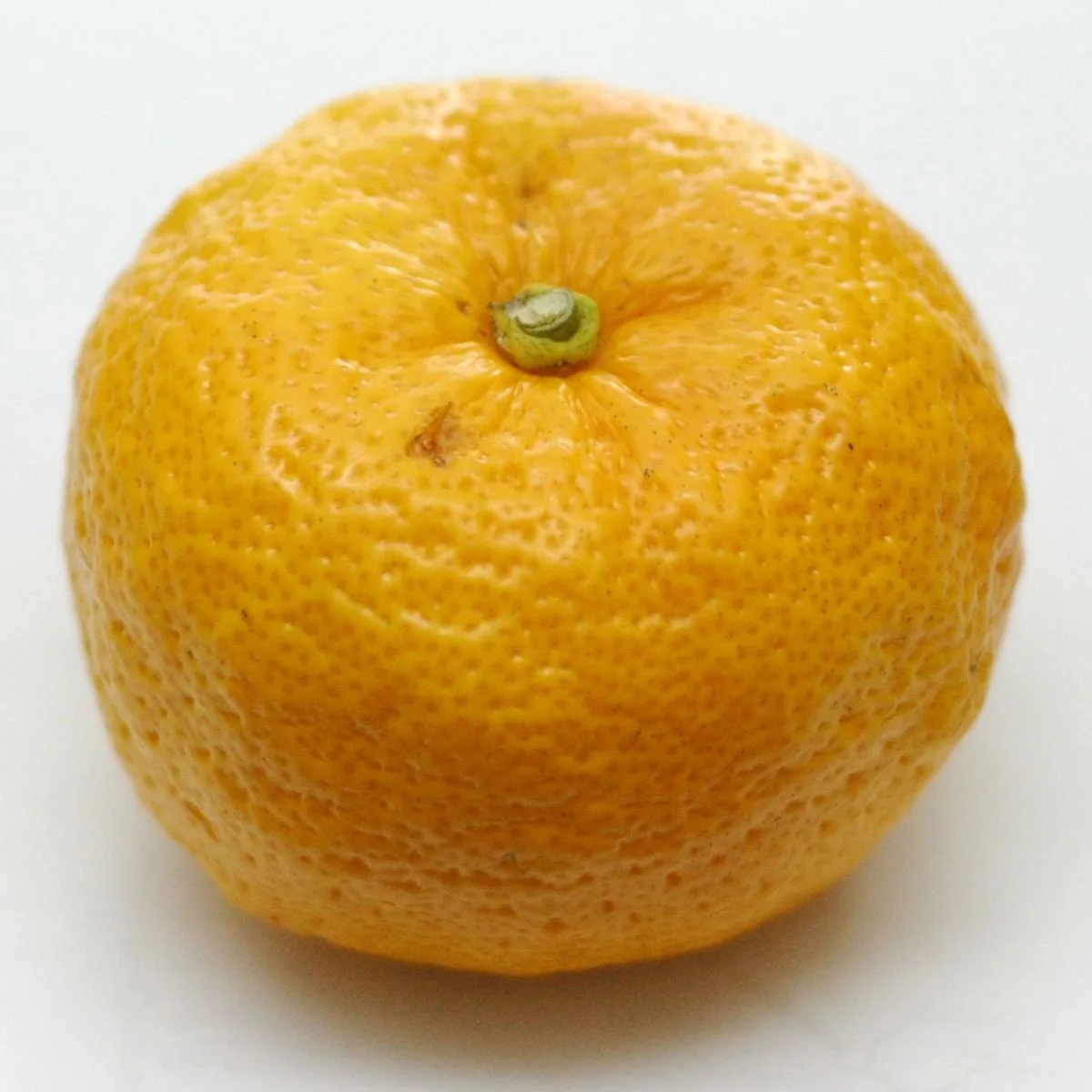 ingredients
Yuzu
The East Asian citrus that scented tea, baths, sauces, and global kitchens
 ingredients
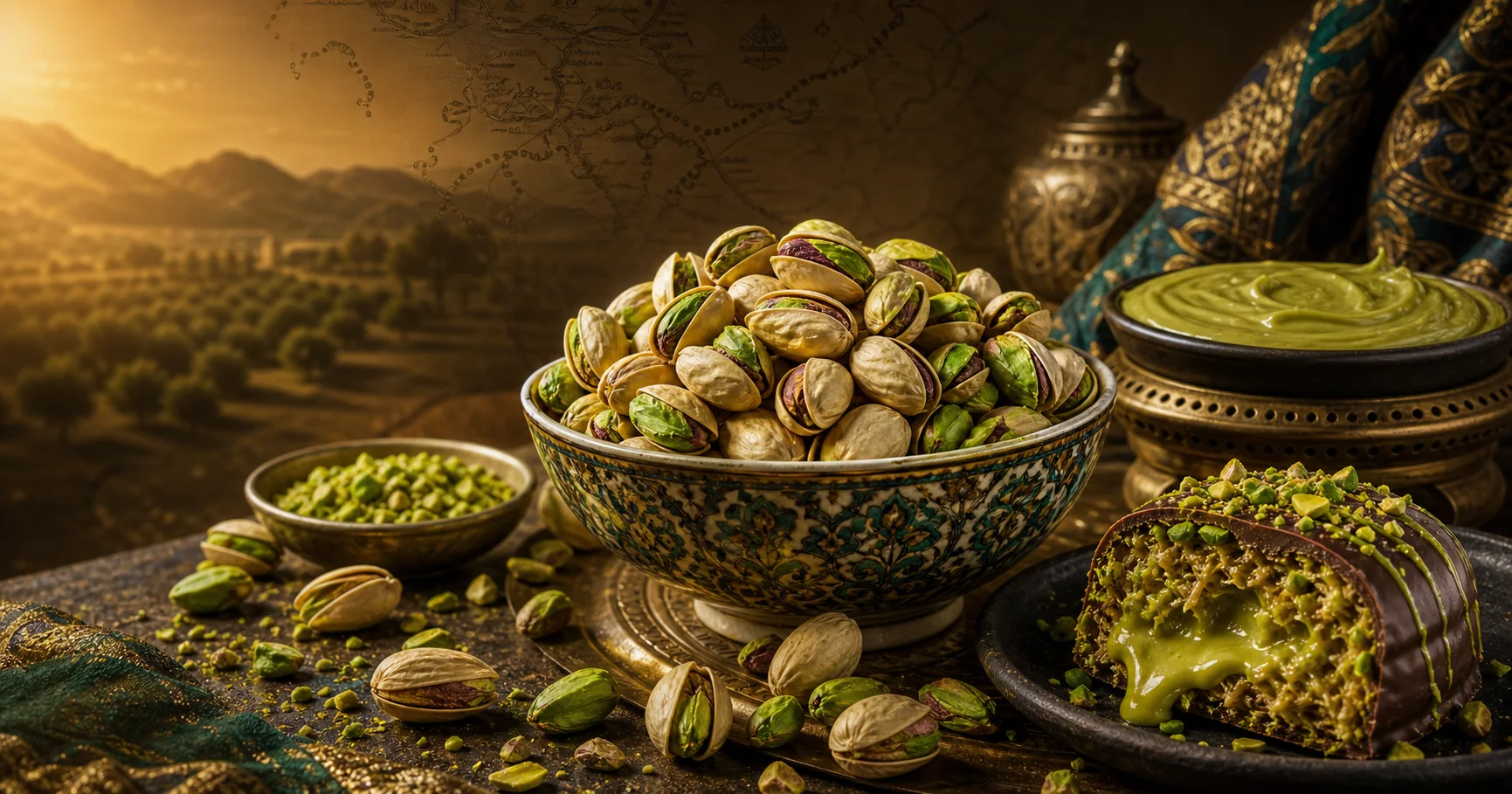
Pistachio
The ancient luxury nut that moved from Iranian and Central Asian orchards into baklava, gelato, American farms, Dubai chocolate, and modern scarcity culture
Sesame, Coconut, and Rice Foundations
Sesame, coconut, and rice are the older pantry bases that carry Asian dessert aroma — oilseed, tropical fat, and the grain behind sticky sweets and ice cream.
 ingredients
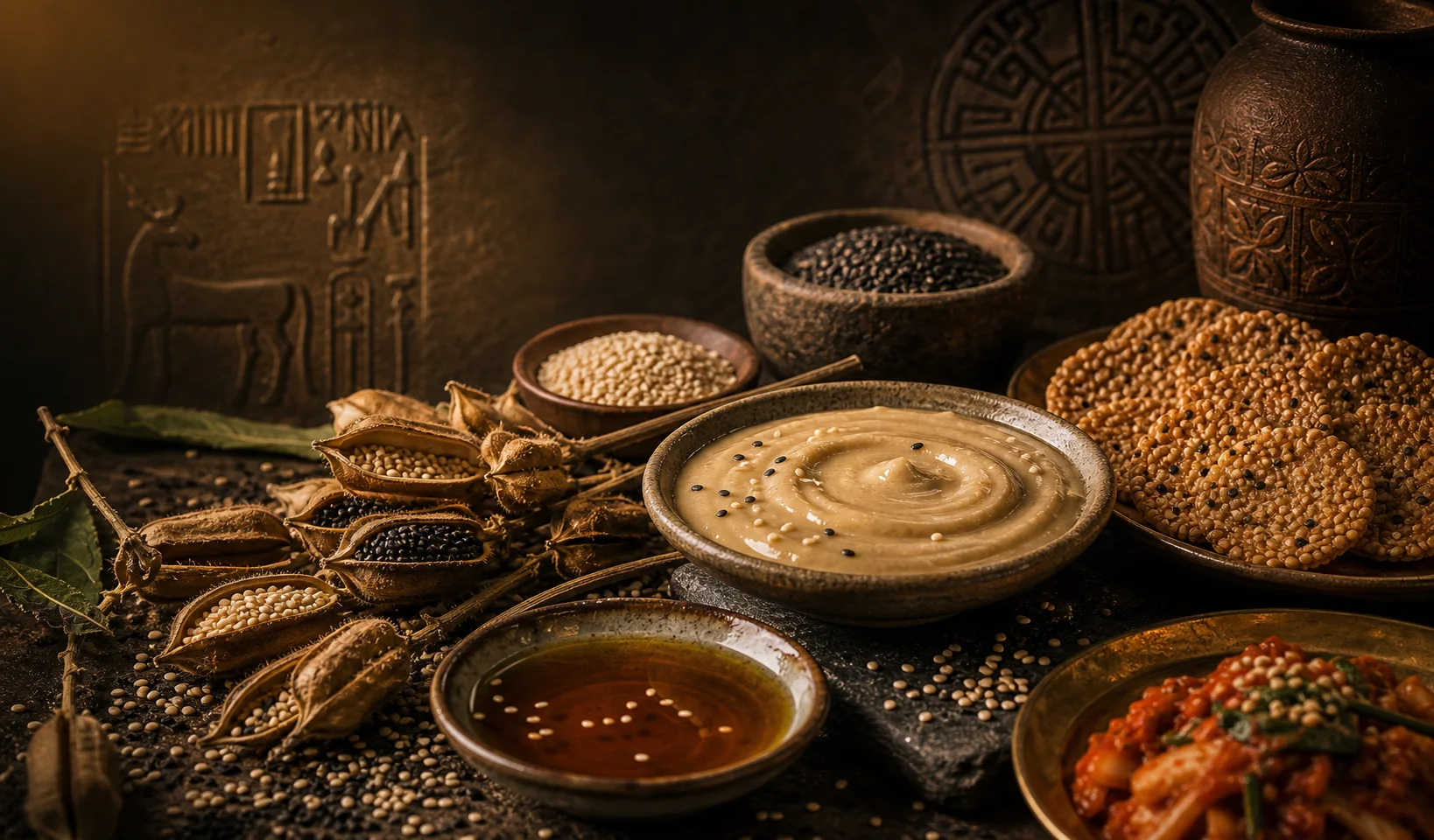
Sesame
The ancient oilseed behind tahini, halvah, sesame oil, and Lowcountry benne — and a base note of the 2026 Korean food boom
 ingredients
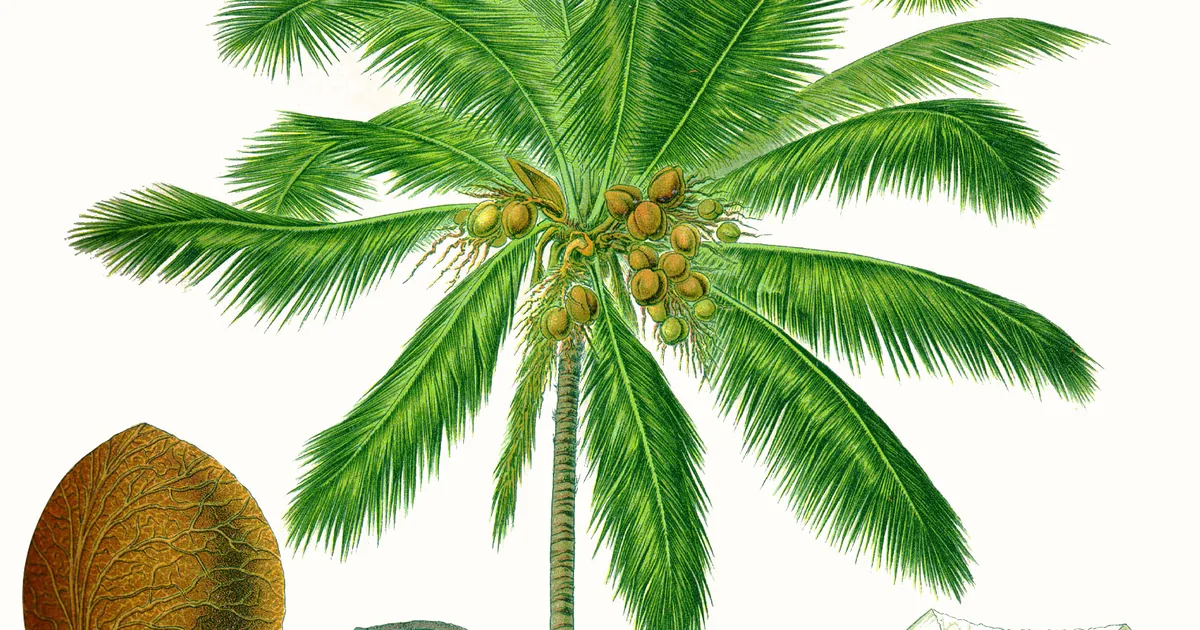
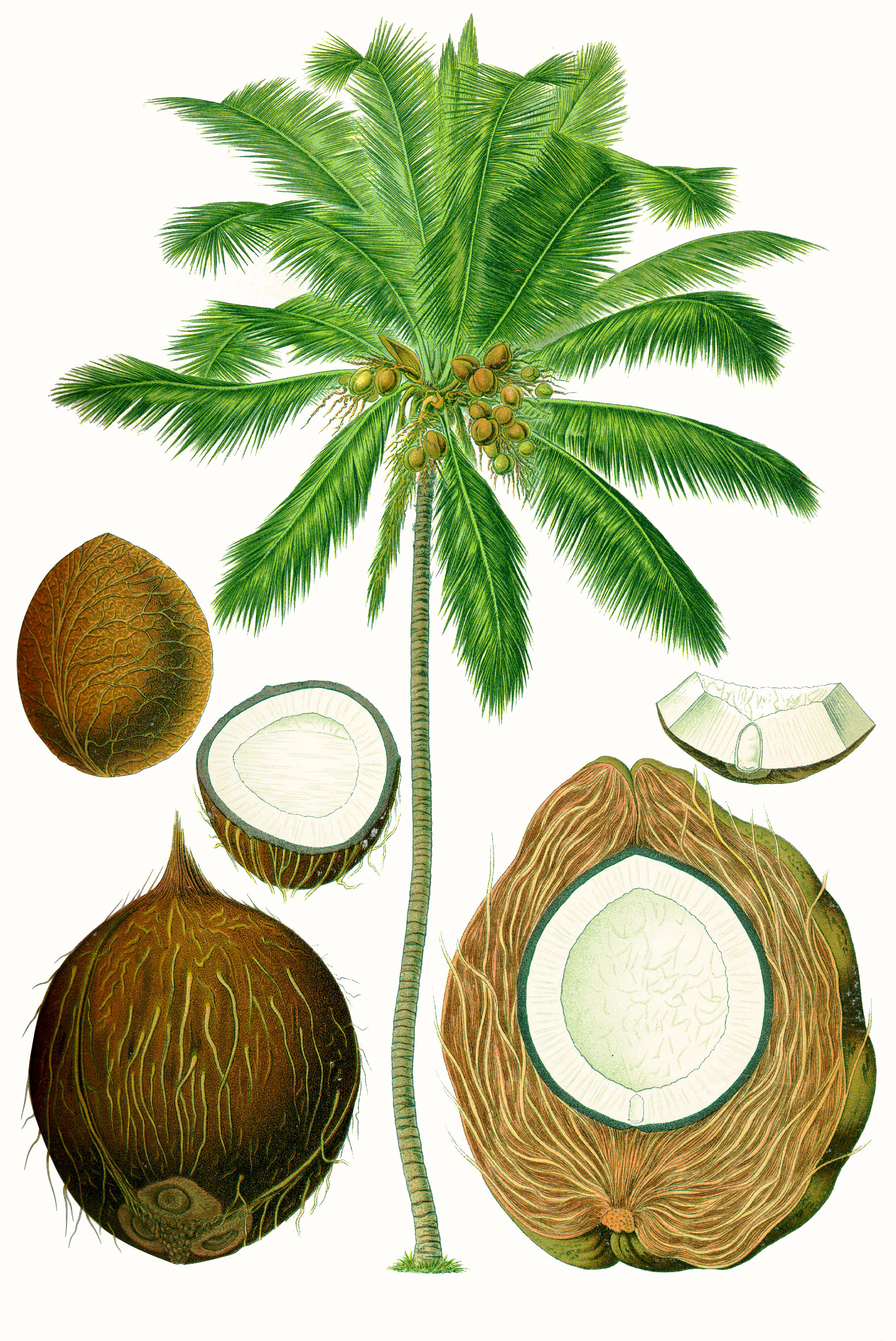
Coconut
How the coconut palm became water, milk, oil, sugar, and a defining fat of coastal Asian and Pacific kitchens
 ingredients
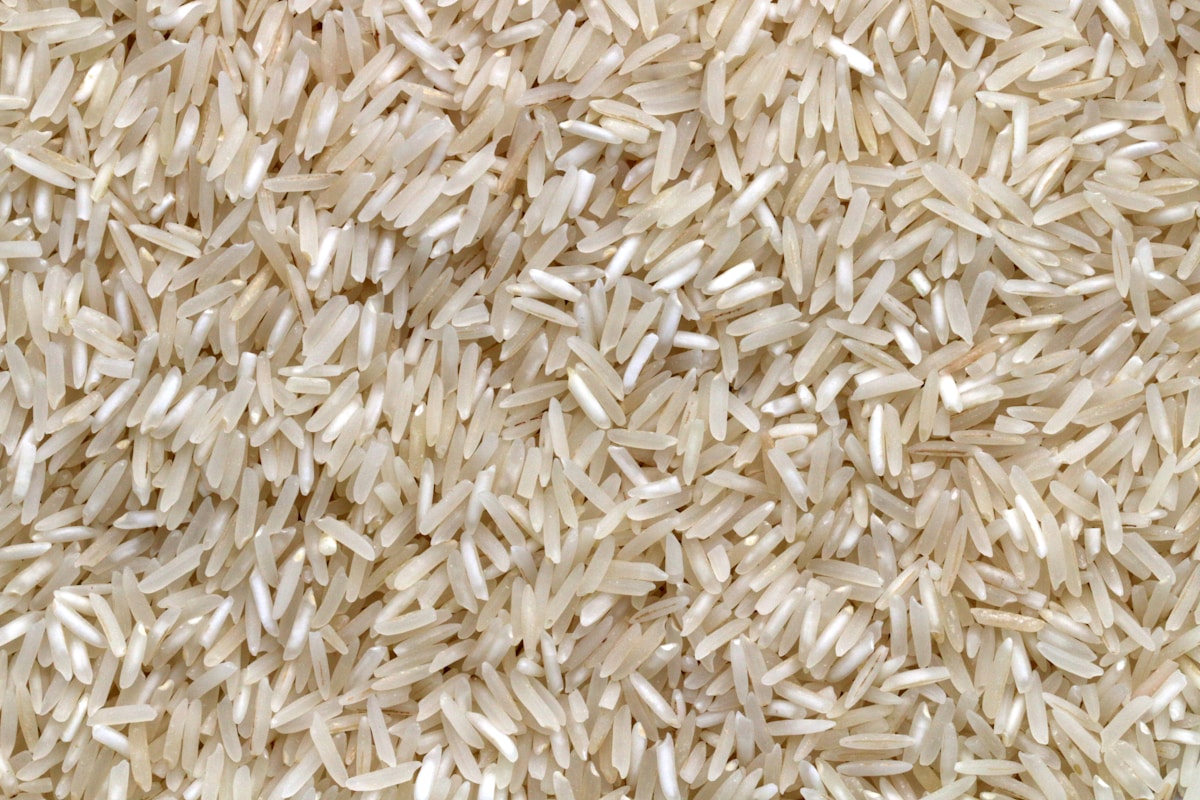
Rice
The grain that feeds half the world