💡 Key Takeaways
- Allspice is one berry, not a blend of several spices.
- The tree is native to the Caribbean and Mesoamerica.
- European names compared its aroma with familiar Old World spices.
- Jamaican pimento became central to jerk traditions, preservation, and export trade.
What Is Allspice?
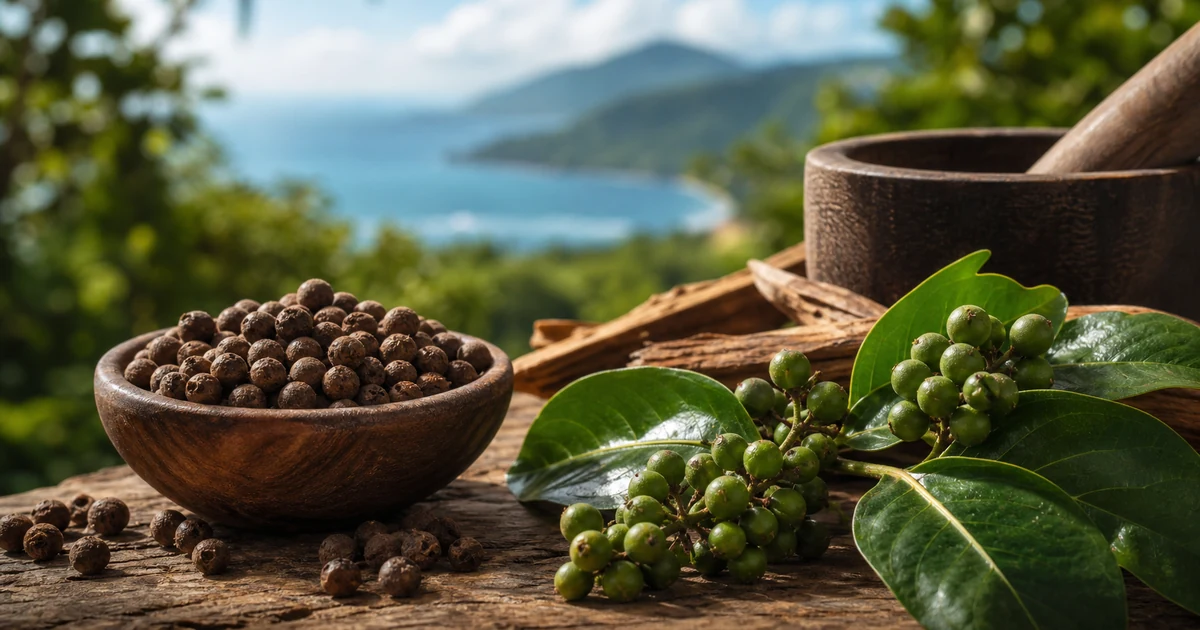
Allspice is the dried unripe berry of Pimenta dioica, a tree native to the Caribbean, southern Mexico, and Central America [1]. It is one plant, not a manufactured mixture.
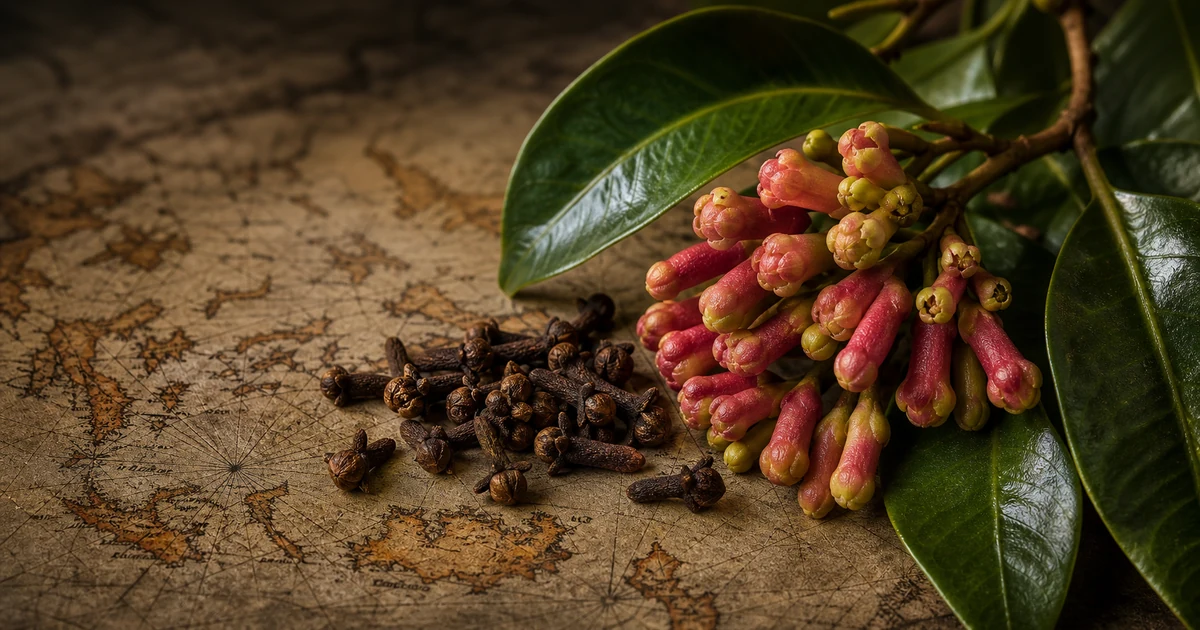
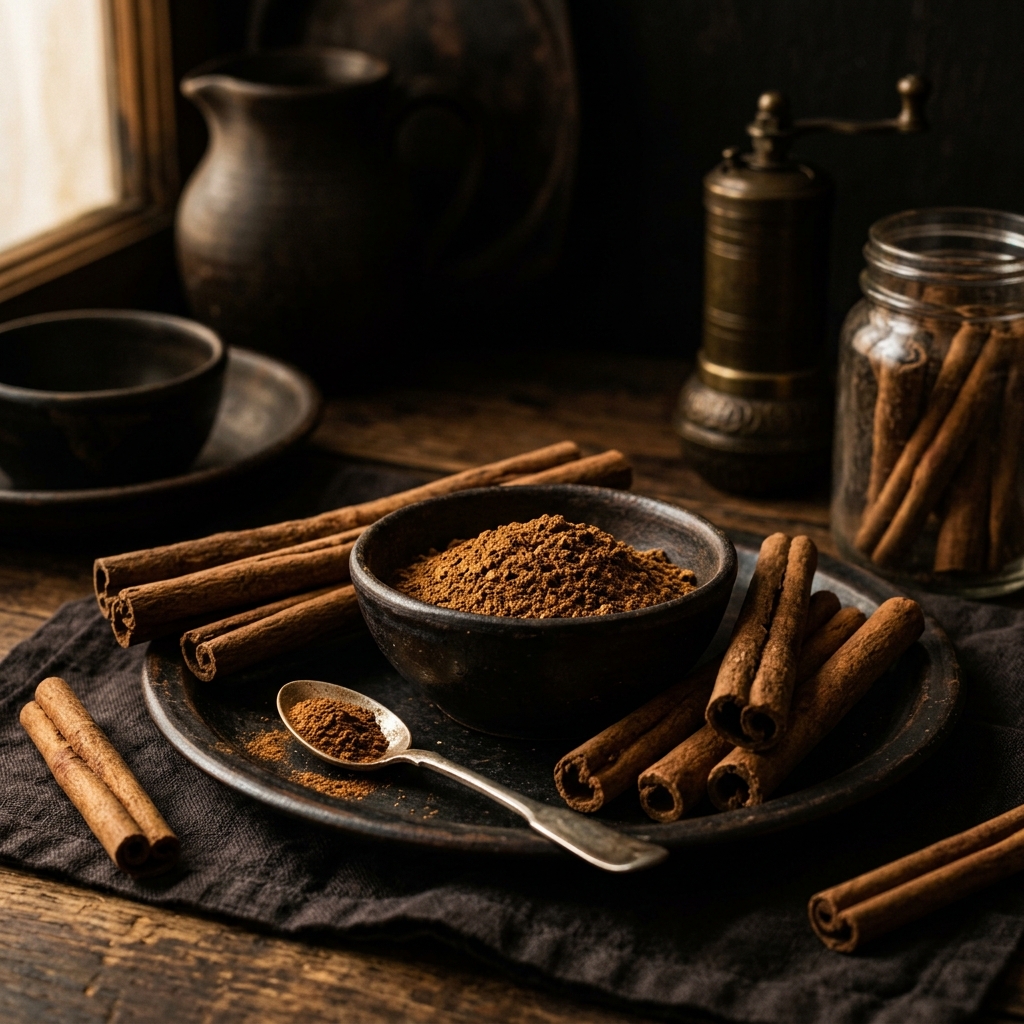
English speakers named it for an aroma they compared with cinnamon, clove, nutmeg, and pepper. That name describes European sensory categories rather than the tree’s Indigenous identity.
Indigenous Caribbean Uses
Caribbean communities used native aromatic woods, leaves, berries, smoke, and peppers before colonization. Later accounts connect pimento wood and berries to preserved and smoked foods that contributed to Jamaican jerk traditions [2][3].
Evidence is uneven because colonization destroyed lives and privileged European writing. Responsible history distinguishes documented practice from overly neat claims that one modern recipe existed unchanged before contact.
Pimento, Pepper, and Colonial Naming
Spanish colonizers used pimiento, a word associated with pepper, for several unfamiliar pungent plants. English “allspice” performed a similar act of comparison [1][4].
Names helped sell the berry by translating it into known spice categories, even as they concealed local languages and ecological knowledge.
Jamaica and the Export Economy
Jamaica’s climate and wild or managed pimento stands made the island the leading commercial source. Export grew inside a colonial economy also shaped by enslaved labor, sugar, ports, and British merchant networks [2].
Pimento was not simply another plantation monoculture, but its trade cannot be separated from the institutions that controlled land and shipping.
Allspice Today
Allspice seasons Jamaican jerk, stews, patties, pickles, sausages, Scandinavian herring, Middle Eastern dishes, and European baking. Leaves and wood also matter in Jamaican cooking.
Its global range is precisely why origin matters: the familiar pantry jar comes from a Caribbean and Mesoamerican tree whose history was renamed through empire.
Historical Timeline
Indigenous communities use native Pimenta trees in food, smoke, medicine, and preservation practices
Spanish colonizers encounter and rename the berry pimiento by analogy with pepper
Jamaica becomes the dominant allspice export center within colonial plantation commerce
Jamaican pimento remains central to jerk while allspice enters global baking and meat processing
Evidence Explorer
Review the Source Trail
Inspect the article sources, scoped review credits, and copyable citation details without leaving the page.
Reviewed for Stated Scope
Sources Listed
Comments
Community comments are coming soon. Check back later to join the discussion!