💡 Key Takeaways
- Dukkah (also duqqa) is an Egyptian blend of crushed nuts (hazelnut, almond, pistachio), sesame seeds, and warm spices (coriander, cumin, pepper) eaten with olive oil and bread.
- It is traditionally a dip — bread is dipped in olive oil, then in dukkah — and the name comes from Arabic for "to pound" or "to crush," describing how the blend is made.
- The 2026 restaurant and pantry wave repurposes dukkah as a crunchy garnish over vegetables, eggs, and dips, extending an old Egyptian bread-dip into a modern finishing sprinkle.
What Is Dukkah?
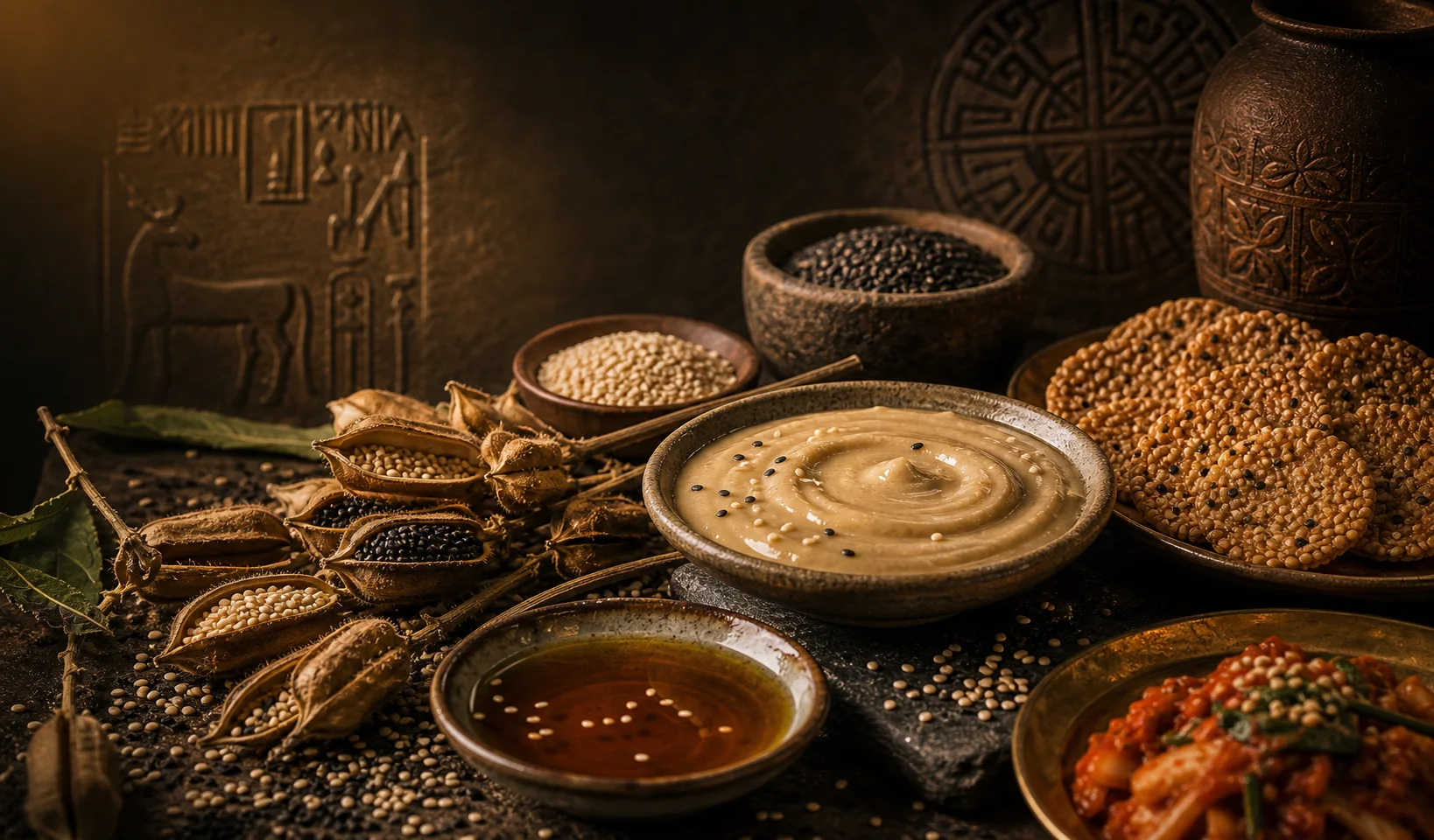
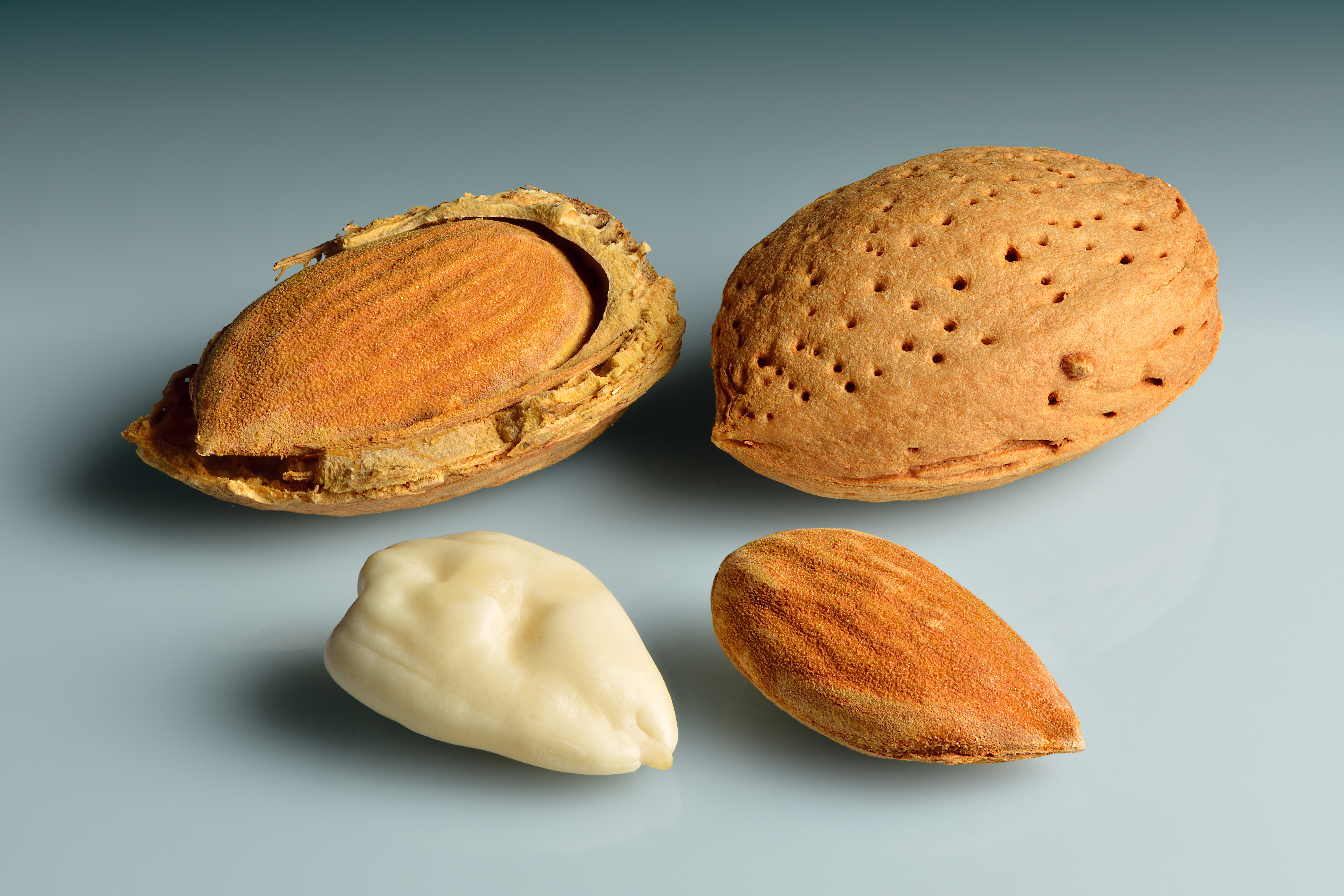
Dukkah (also spelled duqqa) is an Egyptian condiment made by crushing together toasted nuts (classically hazelnut, but also almond, pistachio, or peanut in regional variants), sesame seeds, coriander, cumin, salt, and pepper [1][2]. The texture is coarse and crunchy, the flavor nutty and warm. It is eaten by dipping bread first in olive oil, then in the dukkah, so the blend sticks.
The name comes from Arabic *daqqa*, "to pound" or "to crush" — a literal description of the mortar-and-pestle method. Unlike za'atar, which is a fine powder, dukkah is a textured crunch, which is exactly why it has been so easily repurposed as a modern garnish [4].
Egyptian Bread-Dip Tradition
Dukkah's traditional role is as a bread condiment, eaten alongside olive oil — the dip-and-coat method [1][4]. It has lived for centuries in Egyptian home cooking and street-stall culture, where every household and every region has its own ratio of nut to spice and its own preferred nut base.
In its Egyptian heartland, dukkah is a humble food — a way to make bread and oil more interesting and more nutritious, stretched with crushed nuts and spices. It belongs to the same regional family as za'atar (Levantine) and sumac (Levantine and Egyptian), but its nut-and-crunch profile sets it apart [3].
From Egyptian Pantry to Global Garnish
The dukkah that globalized was reframed from a bread dip into a finishing sprinkle. The pivot is usually credited to Australian and Western chefs in the 2000s and 2010s, with Yotam Ottolenghi helping popularize it for English-speaking home cooks [5]. Suddenly dukkah was on roasted vegetables, soft-boiled eggs, labneh, avocado toast, and salads — anywhere a savory crunch was wanted.
That repurposing is genuinely creative, but it is also untethering. Traditional dukkah is a bread-and-oil condiment; restaurant dukkah is a garnish. Both are real; they are just different uses of the same Egyptian blend [2].
Dukkah and the 2026 Pantry Wave
By 2026, dukkah has joined za'atar, sumac, and harissa as a default "global pantry" seasoning in Western kitchens. Pre-blended jars are sold in supermarkets, and restaurant menus use dukkah as a recognizable signal of "Middle Eastern" flavor even where the dish is otherwise Western.
For The Foods That Shaped Us, dukkah links sesame, olive oil, almond, za'atar, and sumac — a cluster of Egyptian and Levantine seasonings. The honest history is a medieval Egyptian bread-dip, a household-by-household pantry blend, and a 2026 restaurant garnish — the same crushed nuts and spices, repurposed across 21st-century kitchens.
Historical Timeline
Crushed nut-and-spice blends are documented in Egyptian cooking; "dukkah/duqqa" is established as a bread-dip condiment.
Dukkah survives as a domestic and street-stall specialty in Egypt, varying by region and household.
Dukkah becomes an emblematic Egyptian pantry item; commercial jars begin to appear in Middle Eastern groceries.
Australian and Western chefs (notably via Yotam Ottolenghi) introduce dukkah to English-speaking cooks as a finishing sprinkle.
Dukkah joins za'atar and sumac as a default global-pantry seasoning, used on vegetables, eggs, and dips worldwide.
Evidence Explorer
Review the Source Trail
Inspect the article sources, scoped review credits, and copyable citation details without leaving the page.
Sources Listed
Comments
Community comments are coming soon. Check back later to join the discussion!