💡 Key Takeaways
- Za'atar is both the name of a Levantine wild thyme (Origanum syriacum) and the name of the blend made from that herb, dried sumac, sesame seeds, and salt.
- The blend has seasoned flatbreads (manaqish), labneh, and olive-oil dips across the Levant for many centuries, and "za'atar" is documented as a food term in medieval Arabic.
- The 2026 global pantry wave — za'atar on everything from roasted vegetables to popcorn — is new Western attention on a deep Levantine tradition, not a new invention.
What Is Za'atar?
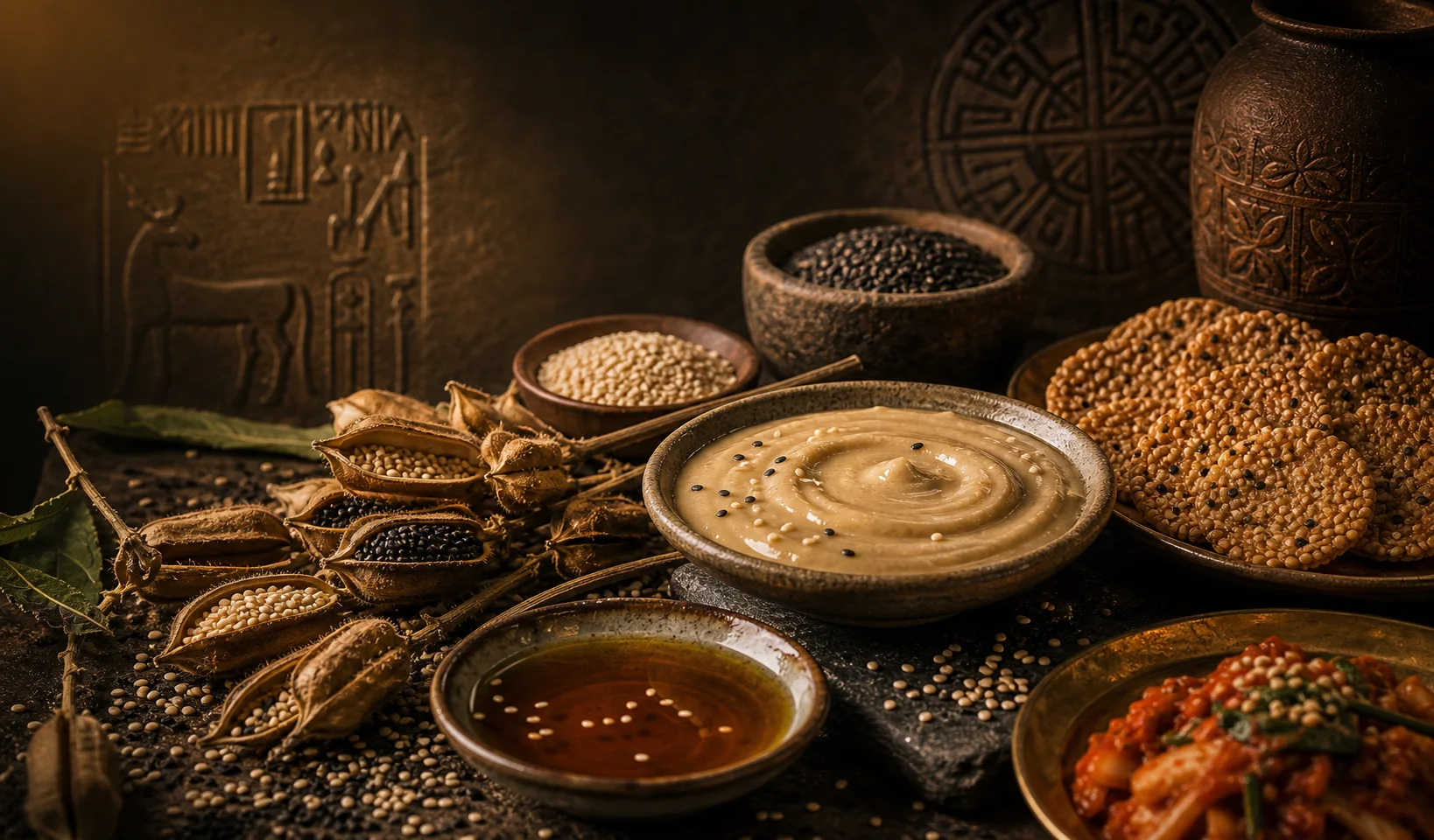
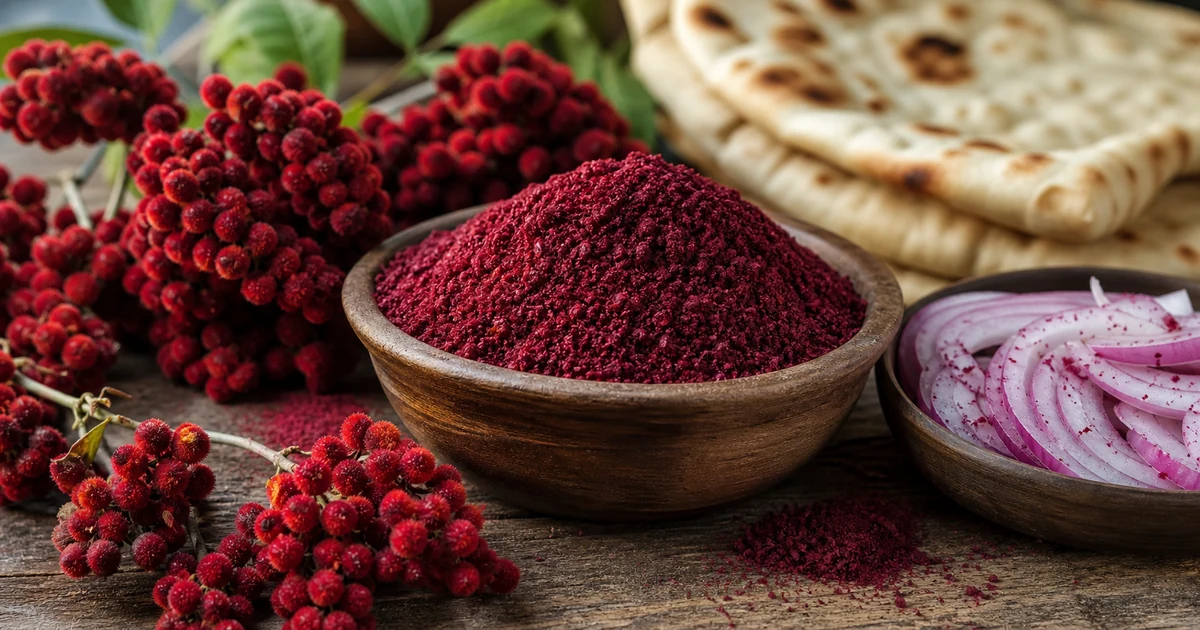
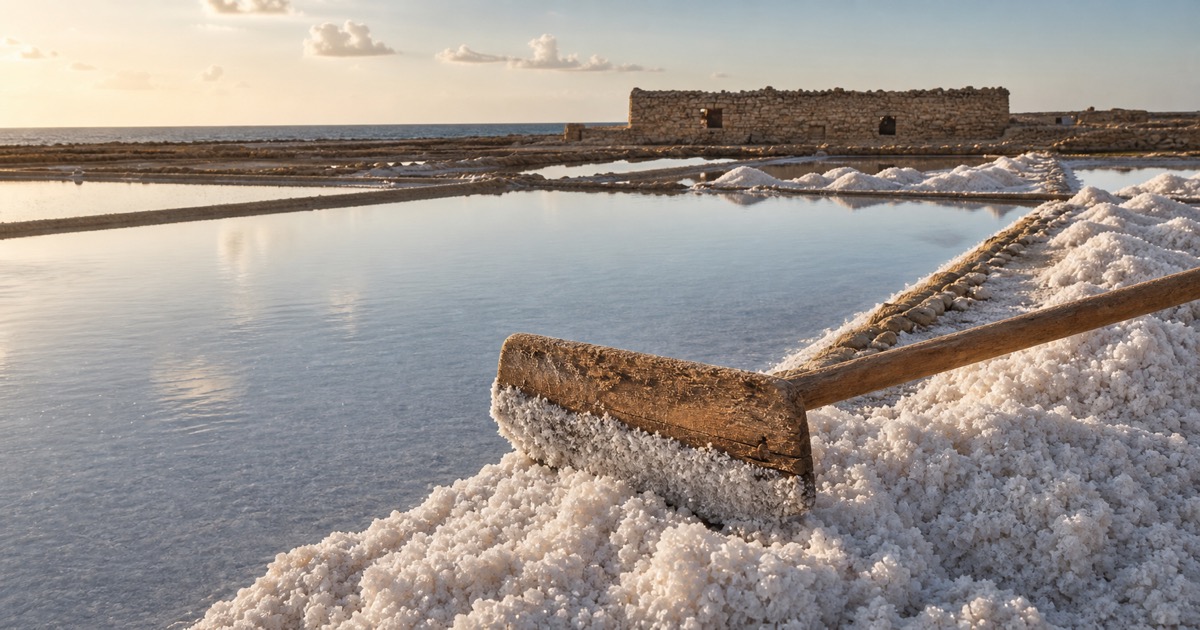
Za'atar (also written zaatar, za'tar) is both a plant and a blend [1][2]. The plant is a Levantine wild thyme (*Origanum syriacum*, also called Bible hyssop). The blend is made by mixing the dried herb with ground sumac, toasted sesame seeds, and salt — sometimes with cumin, fennel, or coriander in regional variants. The result is a fragrant, tart, nutty seasoning eaten with olive oil and bread.
The ambiguity is intentional and old. "Za'atar" as a food term can mean the herb alone, the blend, or the act of eating the blend on bread — and Levantine usage has accepted that ambiguity for centuries [4].
Levantine Roots and Manaquish
Za'atar is fundamentally Levantine — the herb grows wild across the hills of Lebanon, Syria, Palestine, Israel, and Jordan, and the blend was developed to put that herb to work [1][3]. Its most iconic use is on manaqish (also spelled manakish): flatbreads topped with za'atar and olive oil, baked until crisp, then cut into wedges for breakfast or meze.
Beyond manaqish, za'atar seasons labneh, chickpea dishes, roasted vegetables, and the olive-oil-and-za'atar dip that is a default starter across the Levant. The thyme-sumac-sesame combination is the seasoning architecture of an entire regional cuisine, not just a single dish.
Medieval Arabic and the Plant Name
"Za'atar" is documented as a food term in medieval Arabic, where it referred to the herb and to seasoned preparations using it [2][4]. The plant itself — *Origanum syriacum* — was identified with the "hyssop" of biblical and classical texts, giving za'atar a sacred as well as a culinary resonance in regional tradition.
The food-history point is that za'atar is not a modern invented blend; it is a documented medieval seasoning built around a wild Levantine herb. The red sumac in the mix was, for centuries, the primary souring agent in Levantine cooking — used the way later cooks would use lemon juice [3].
Za'atar and the 2026 Pantry Wave
By 2026, za'atar has joined sumac, sesame, and harissa as a default "global pantry" seasoning in Western cooking [6]. It is dusted on roasted vegetables, popcorn, fried eggs, and avocado toast in applications far beyond its traditional Levantine uses. Pre-blended jars are now sold in mainstream supermarkets, not just Middle Eastern grocers.
For The Foods That Shaped Us, za'atar links sesame, olive oil, sumac, chickpea, and dukkah — a cluster of Levantine and Egyptian seasonings that together anchor one of the world's great regional cuisines. The honest history is a wild Levantine herb, a medieval Arabic food term, and a 2026 global pantry jar — the same blend, increasingly untethered from the flatbread it was made for.
Historical Timeline
Wild thyme (Origanum syriacum) and sumac are gathered and used as seasonings across the Eastern Mediterranean.
"Za'atar" appears in medieval Arabic as both a plant name and a food term, referring to the herb and the blend.
Za'atar flatbreads (manaqish) and za'atar-oil dips become standard Levantine breakfast and meze items.
Levantine and Middle Eastern diasporas carry za'atar to North America and Europe; specialty grocers stock regional blends.
Za'atar becomes a default "global pantry" seasoning in Western cafes and home cooking, applied far beyond its traditional uses.
Evidence Explorer
Review the Source Trail
Inspect the article sources, scoped review credits, and copyable citation details without leaving the page.
Sources Listed
Comments
Community comments are coming soon. Check back later to join the discussion!