💡 Key Takeaways
- Ful medames is a slow-cooked stew of fava beans softened with oil, cumin, lemon, and garlic — eaten as a breakfast staple across Egypt and the Eastern Mediterranean.
- It is one of the oldest continuously eaten dishes in the world, with fava-bean cooking in the Nile Valley traceable to pharaonic Egypt and the dish documented in medieval Cairo.
- The traditional method — cooking beans overnight in a sealed pot buried in embers — is the source of the name "medames" (from Coptic/Egyptian for "buried").
What Is Ful Medames?
Ful medames is a stew of fava beans cooked very slowly until soft, then dressed with olive oil, cumin, lemon, garlic, and sometimes harissa or a poached egg [1][5]. It is eaten throughout Egypt and the Eastern Mediterranean as a breakfast staple, scooped with bread. The texture is thick and earthy, the flavor deeply savory from the long cook and the cumin-oil garnish.
What makes ful unusual is how old it is. Most dishes that feel "ancient" actually date to the early modern period; ful medames is one of the few with a credible claim to continuous consumption over thousands of years [2][3].
Pharaonic and Medieval Roots
Fava beans (*Vicia faba*) were cultivated in the Nile Valley from antiquity, and bean stews are documented in pharaonic Egypt [3]. The specific dish we call ful medames is firmly documented in medieval Cairo as a street food: beans were slow-cooked overnight in large pots and sold at dawn to workers, travelers, and the urban poor [1][2].
The name itself records the cooking method. *Medames* comes from the Coptic/Egyptian root meaning "buried," because the traditional technique was to set a sealed pot of beans into the dying embers of a bakery oven or fire pit and let them cook gently overnight. That overnight-low-and-slow method is what gives ful its characteristic softness — a 4,000-year-old slow cooker.
A Regional Breakfast Staple
Through the Ottoman era and into the 20th century, ful spread across the Eastern Mediterranean, the Levant, the Horn of Africa (especially Ethiopia, Eritrea, and Somalia), and Sudan — each region adapting the basic idea [4][5]. Levantine versions add tahini and tomato; Ethiopian and Eritrean versions sit beside shiro and injera; Egyptian ful stays closest to the medieval original.
In Egypt itself, ful medames is a genuinely national dish eaten across all classes — traditionally from the same simple bowls at street carts and home tables alike. That democratic quality is part of why ful carries so much cultural weight in Egyptian identity [6].
Ful in the 2026 Brunch Wave
By 2026, ful medames has joined shakshuka on the global Eastern Mediterranean brunch menu — a vegetarian, protein-forward, genuinely ancient option that reads as both healthy and rooted [1]. Middle Eastern and Eastern Mediterranean restaurants worldwide now serve ful as a brunch bowl, often garnished with modern extras (feta, avocado, soft egg) layered onto the traditional oil-cumin-lemon base.
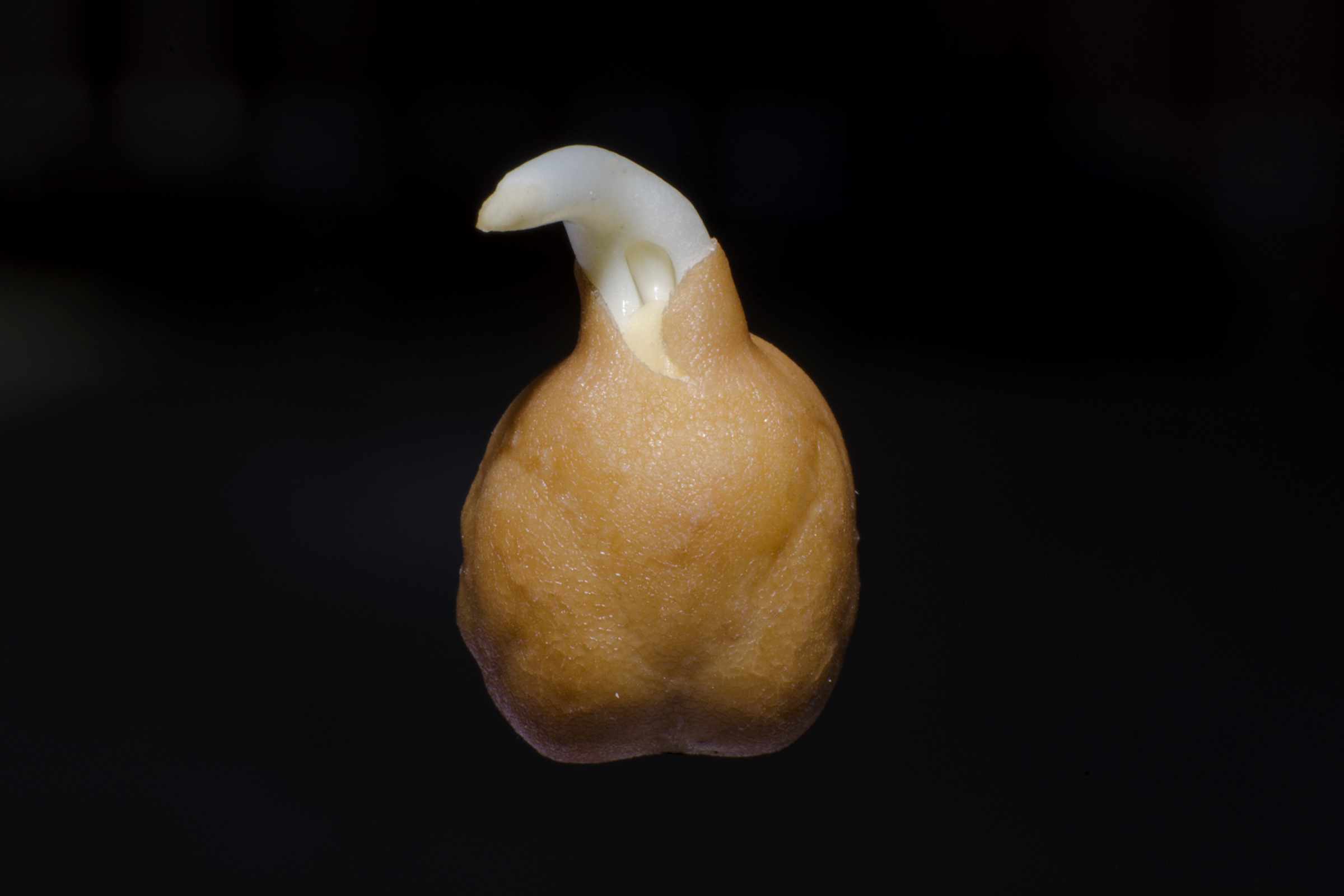
For The Foods That Shaped Us, ful medames links chickpea, olive oil, lemon, harissa, and shakshuka — a cluster of ancient and medieval Eastern Mediterranean ingredients that together anchor one of the oldest continuously eaten breakfasts in the world. The honest history is a pharaonic fava stew, a medieval Cairo street food, and a 2026 brunch bowl — the same dish, seen across 4,000 years.
Historical Timeline
Fava beans are cultivated and eaten in the Nile Valley; bean stews are documented in ancient Egyptian food contexts.
Ful medames is a documented street food in medieval Cairo, cooked overnight and sold in the early morning.
Ful spreads through the Eastern Mediterranean, Levant, and Horn of Africa as a shared breakfast staple with regional variations.
Ful medames becomes emblematic of Egyptian national cooking and a daily breakfast for millions across the region.
Ful appears on Middle Eastern and Eastern Mediterranean brunch menus worldwide, often beside shakshuka, as part of the 2026 brunch wave.
Evidence Explorer
Review the Source Trail
Inspect the article sources, scoped review credits, and copyable citation details without leaving the page.
Sources Listed
Comments
Community comments are coming soon. Check back later to join the discussion!