Beautiful mistakes
Accidental Genius: The Wild Food Mistakes That Changed the World
Some of humanity's greatest food technologies began as controlled failure. Milk soured, grapes fermented, grain bubbled, fish broke down in salt, vegetables turned sharp, and cooks learned that the line between rot and flavor could be managed.
Sour, Bubbly, and Too Useful to Throw Away
Beer, wine, vinegar, sourdough, and honey show how sugars, yeasts, and acids transformed storage problems into flavor systems.
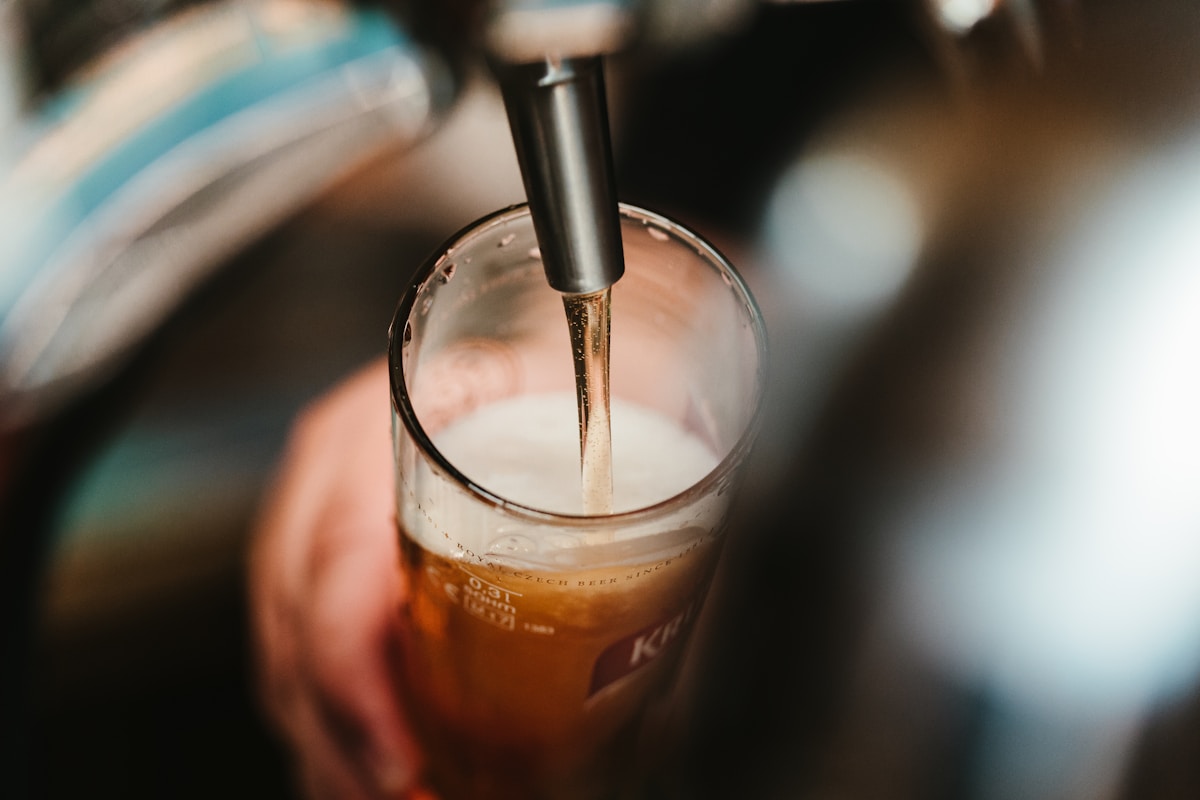 drinks
Beer
The ancient brew that may have started agriculture
 drinks
Wine
The divine drink that shaped religion and trade
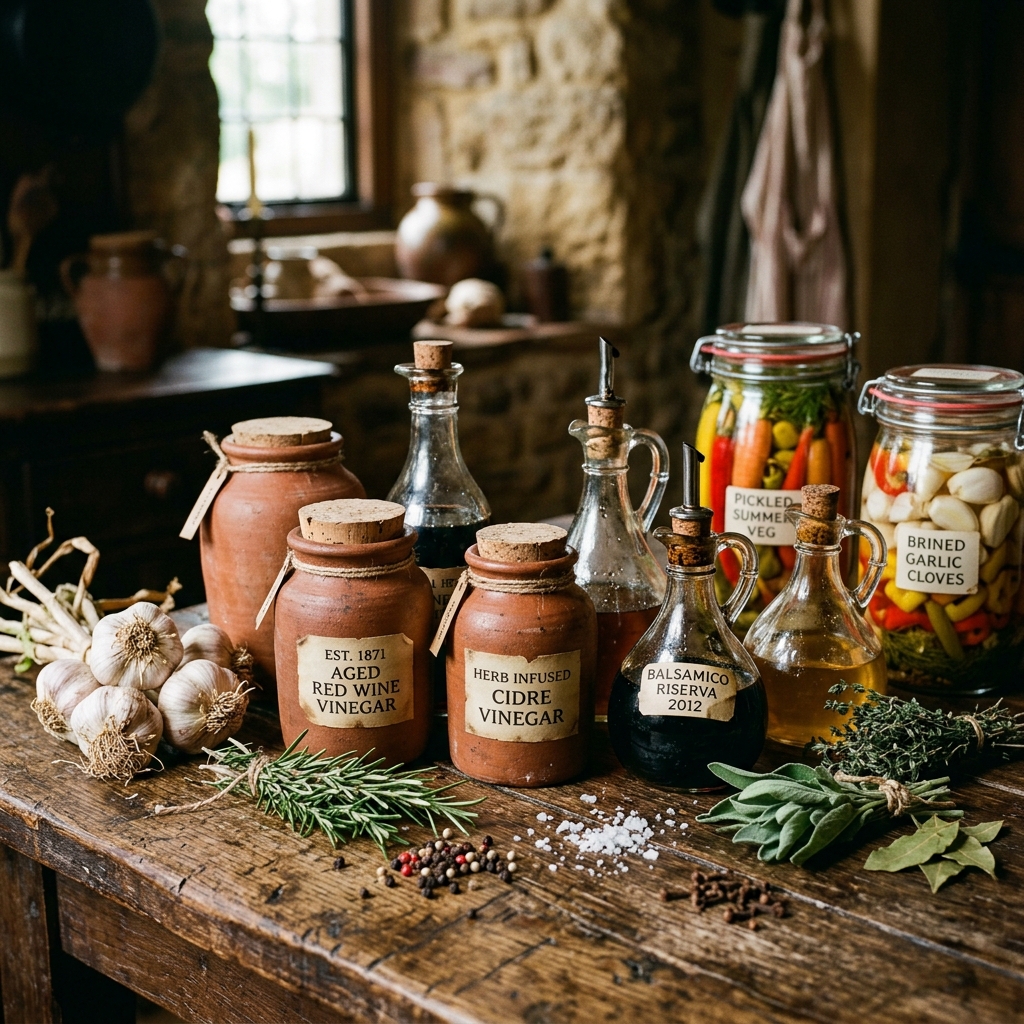 ingredients
Vinegar
The sour servant of preservation and flavor
 dishes
Sourdough
The living bread culture that turned flour, water, wild yeast, and bacteria into flavor, preservation, and craft
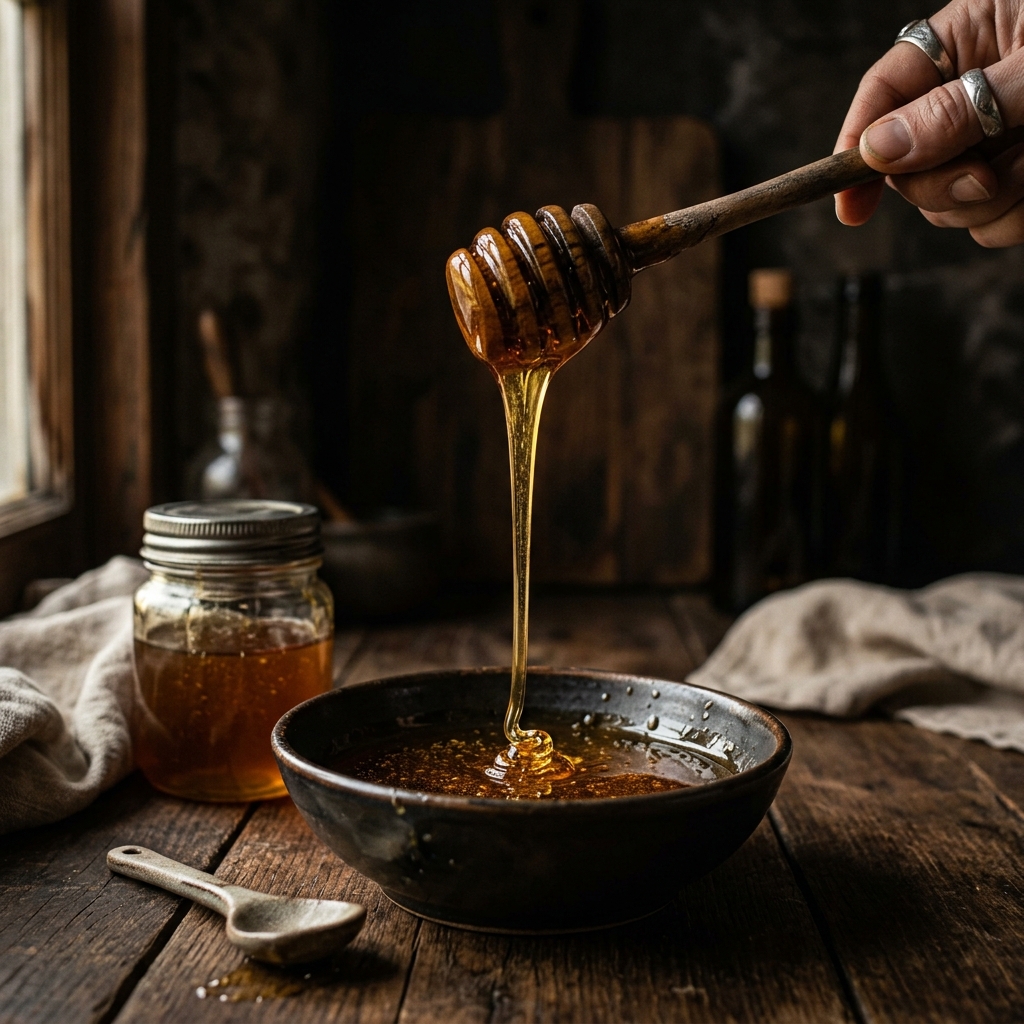 ingredients
Honey
Nature's first sweetener, unchanged for millennia
Milk That Learned to Last
Cheese and yogurt are not just dairy products. They are ancient answers to the problem of fragile milk without refrigeration.
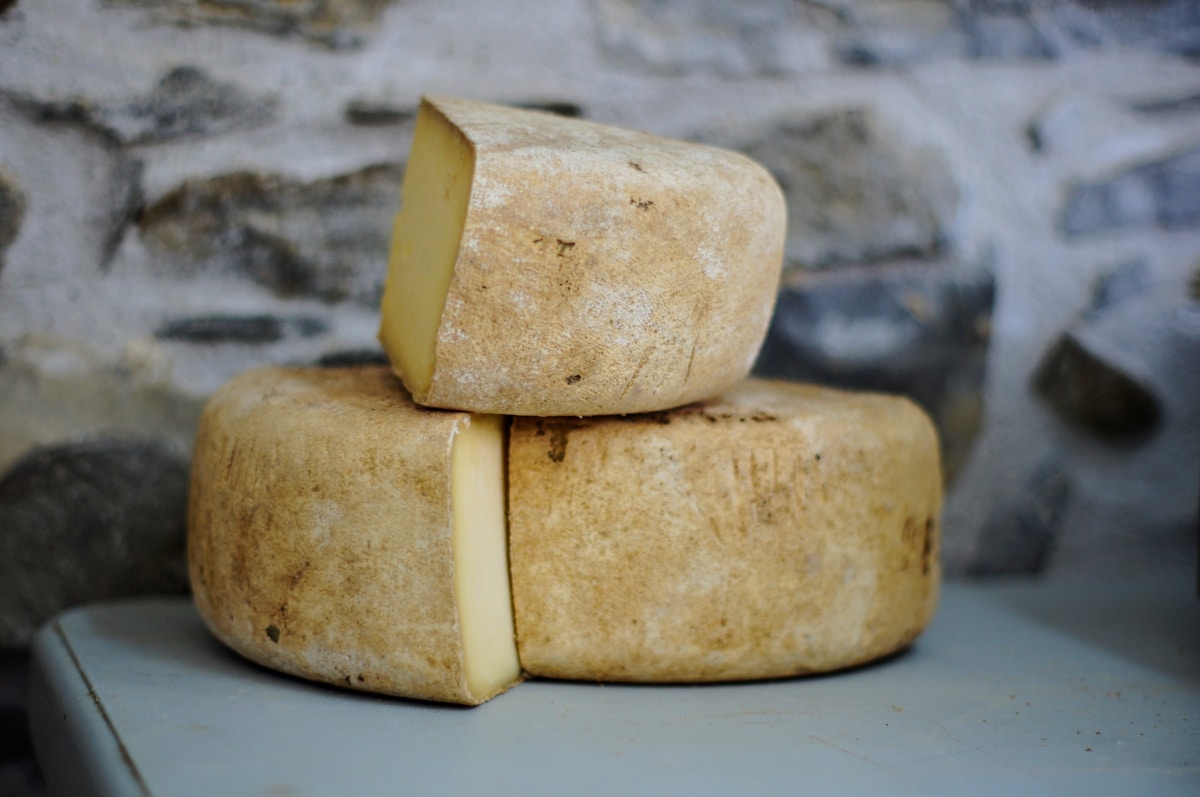 ingredients
Cheese
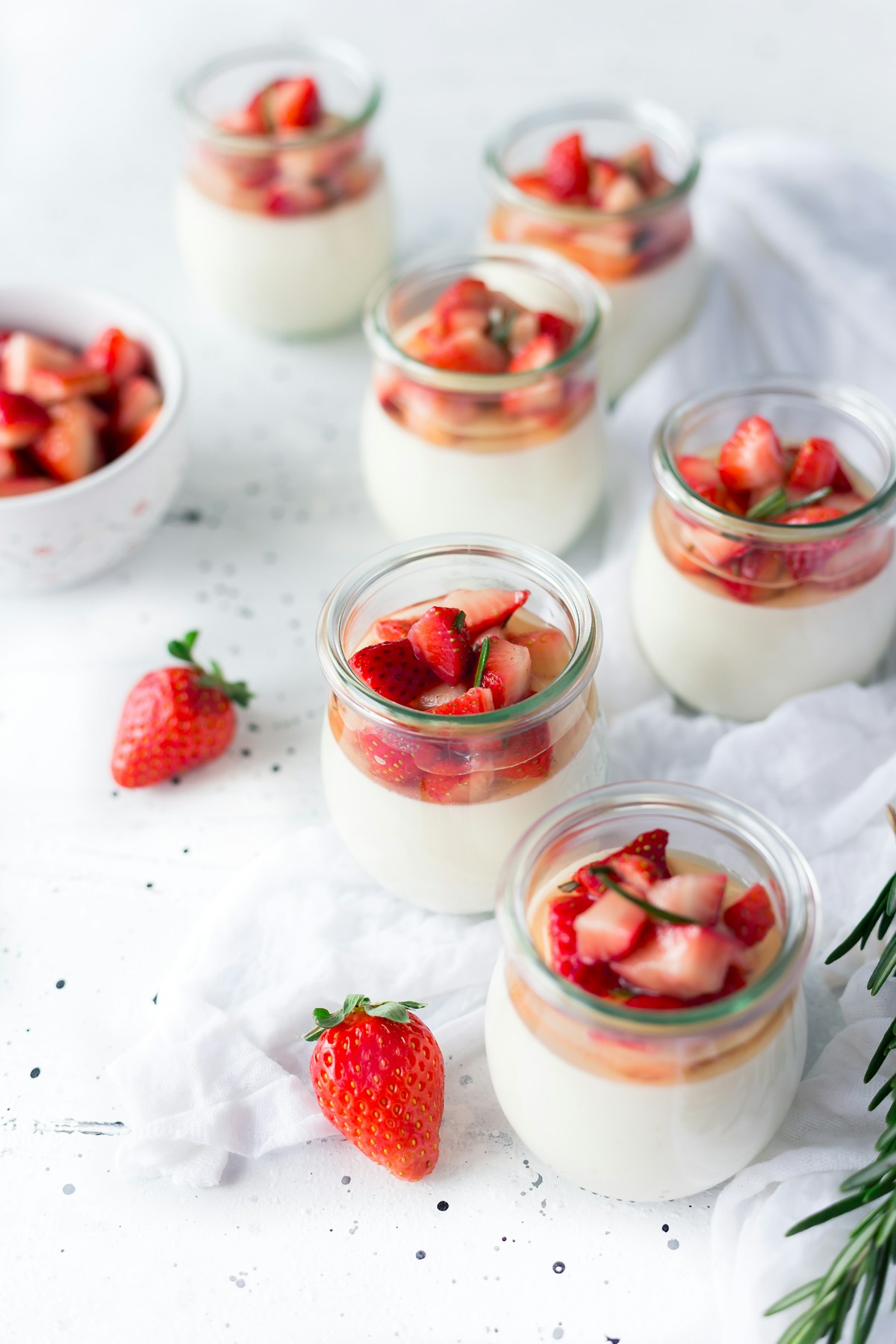
The milk-preserving food technology that turned curds, whey, salt, microbes, and local craft into thousands of regional cheeses
 ingredients
Yogurt
The fermented milk that fed nomads, empires, and modern wellness culture
Salted, Aged, and Microbial Flavor Bombs
Soy sauce, garum, miso, kimchi, and sauerkraut prove that controlled breakdown could become umami, acidity, and preservation.
 ingredients
Soy Sauce
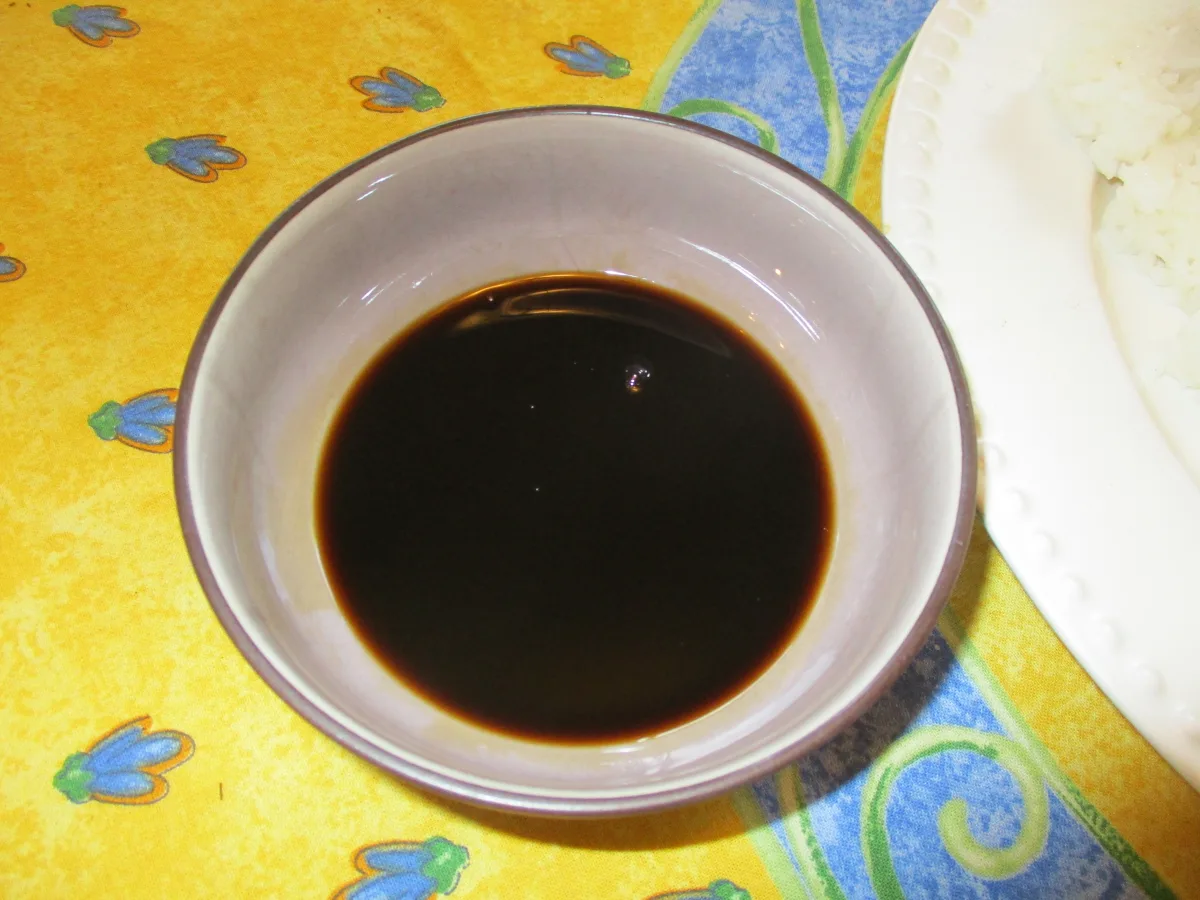
The fermented seasoning that carried East Asian umami across the world
 ingredients
Garum
The fermented fish sauce that flavored Rome and moved through Mediterranean trade
 ingredients
Miso
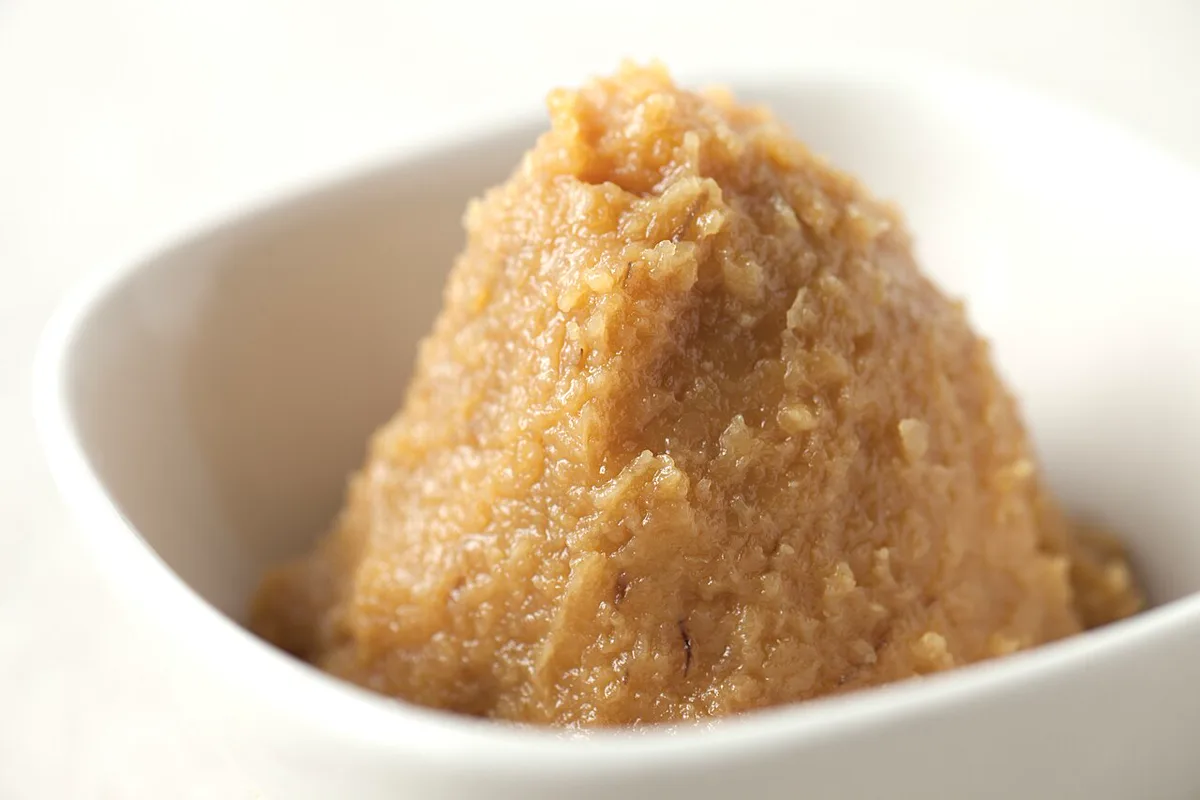
The fermented soybean paste that gave Japan a language of umami
 dishes
Kimchi
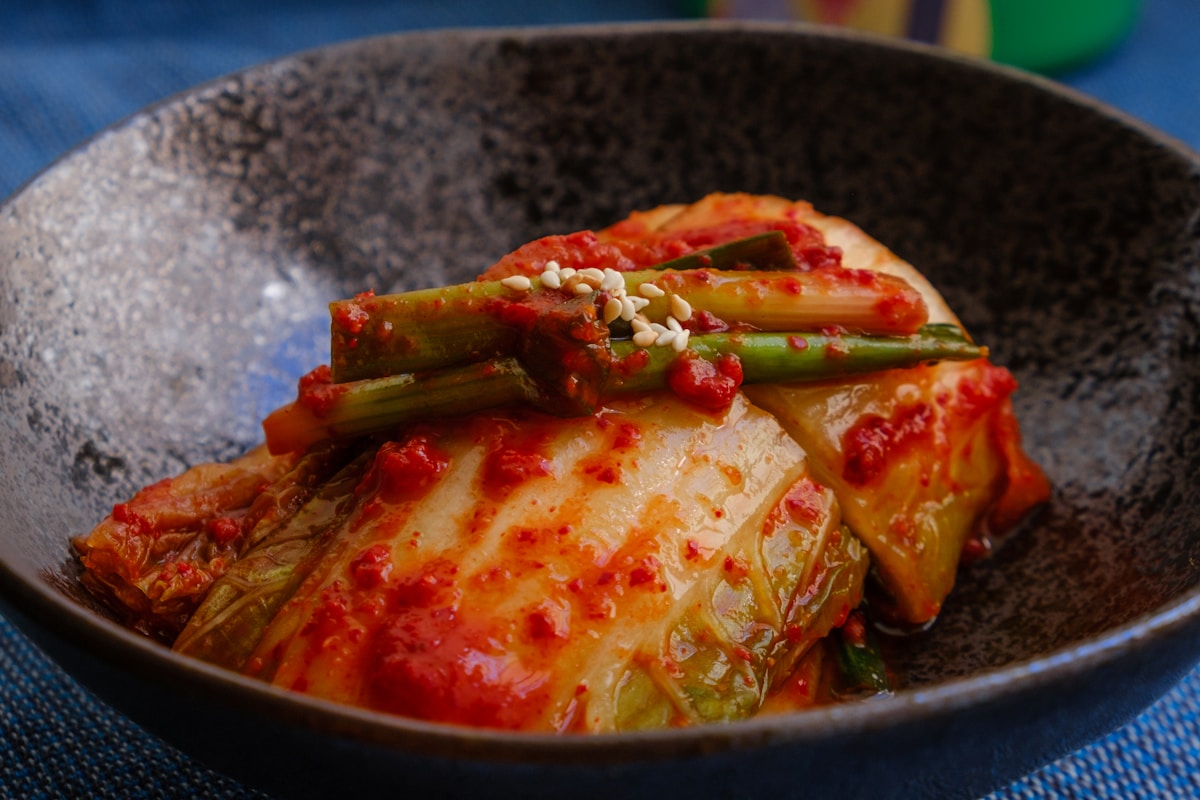
The fermented Korean staple that turned preservation into identity
 ingredients
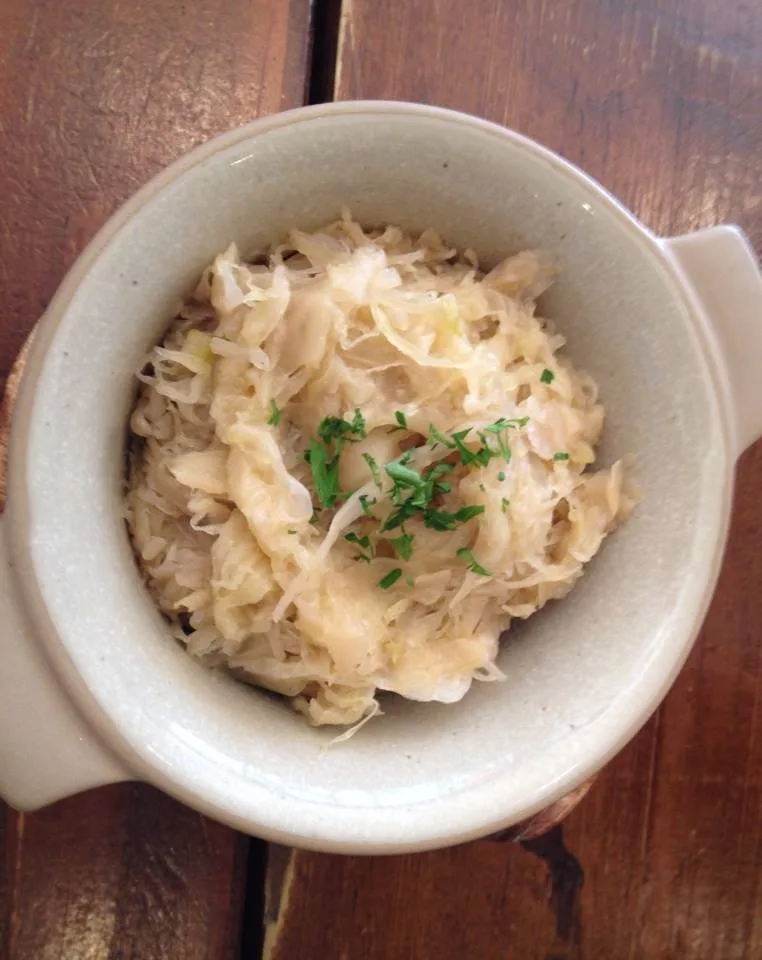
Sauerkraut
The fermented cabbage that carried salt, winter storage, and migration history
 ingredients
Doenjang
The Korean fermented soybean paste that carried Buddhist temple food, jang culture, and Korean fermentation into a 2026 global pantry trend
 ingredients
Pickles
The preserved cucumber and brined vegetable story that crossed Mesopotamia, Jewish delis, kimchi jars, and a 2026 TikTok pickle boom