Food history collection
The Black Market Pantries: How Smuggled Seeds and Spice Wars Built Global Capitalism
Food has always moved with power. Salt preserved armies and taxed households, sugar reshaped Atlantic empires, spices pulled merchants across oceans, and drinks such as coffee, tea, and chocolate connected ports, plantations, workers, and consumers across the world.
Salt, Sugar, and the Economics of Empire
Some foods became strategic commodities because they preserved calories, seasoned diets, funded states, and moved through taxed routes. Salt, sugar, olive oil, and garum show how ordinary ingredients could shape law, labor, wealth, and revolt.
 ingredients
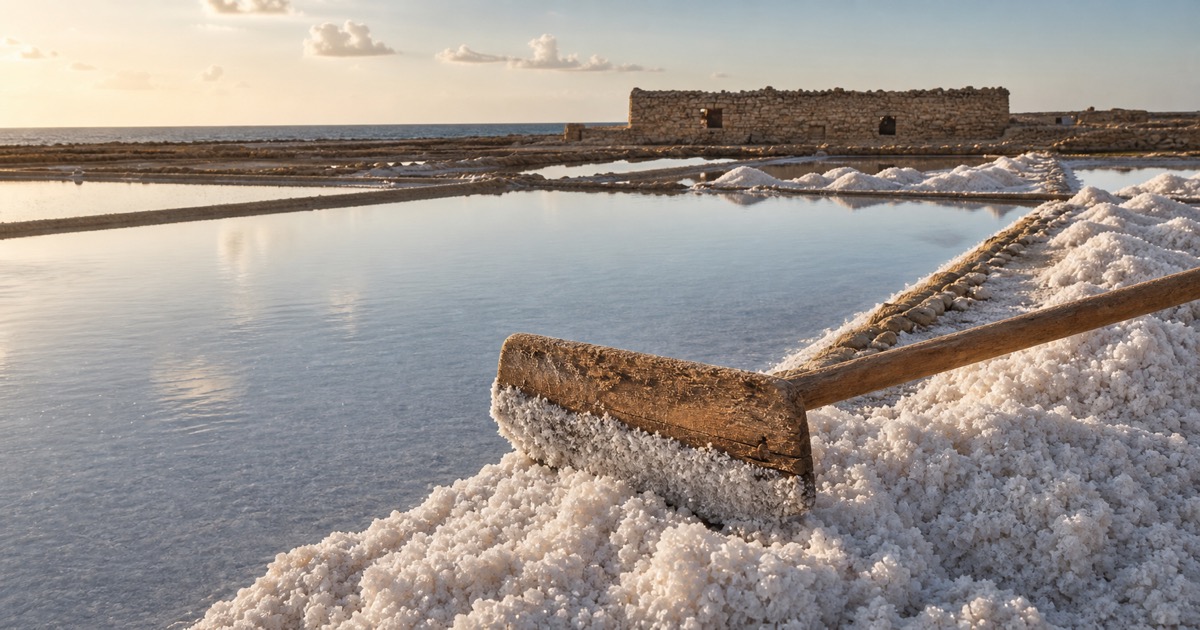
Salt
The mineral that turned food preservation, caravan trade, and state control into power across centuries
 ingredients
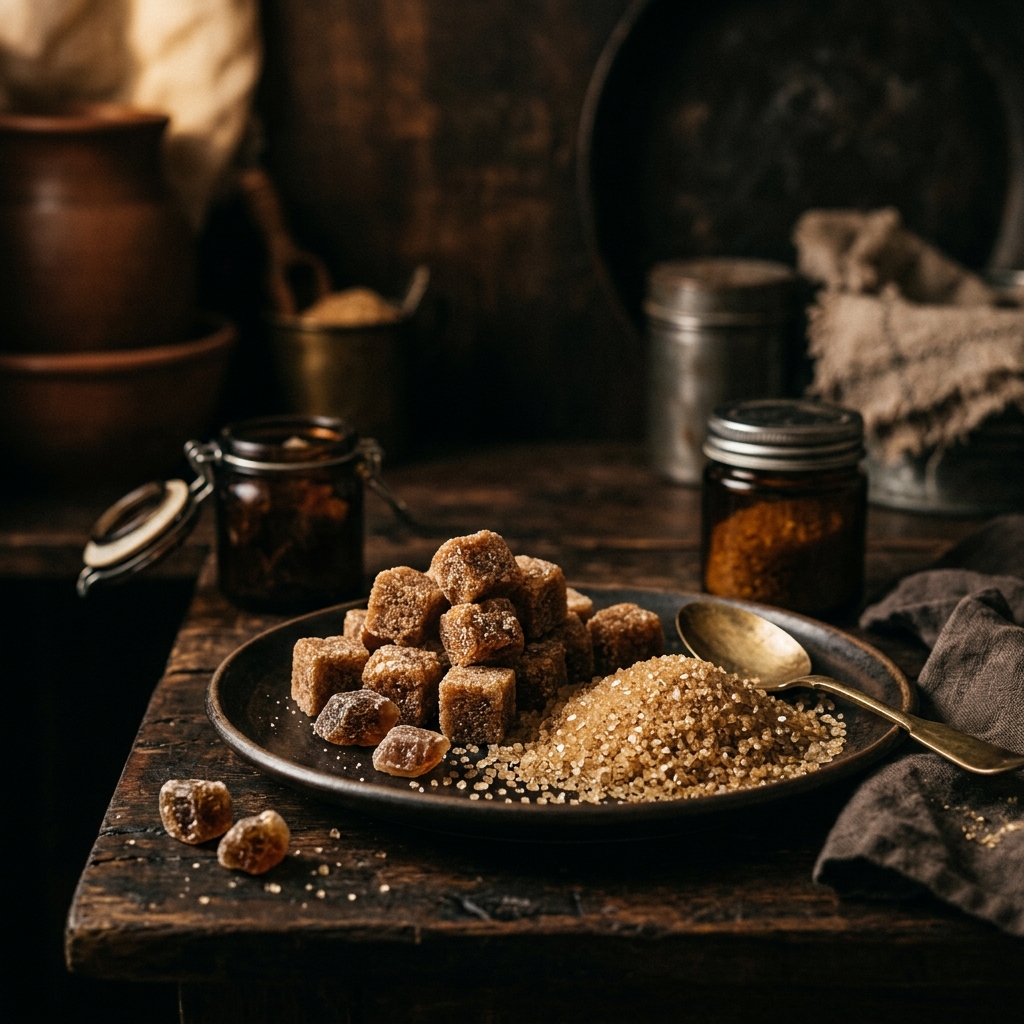
Sugar
The sweet commodity that turned cane into empire, labor, and daily habit
 ingredients
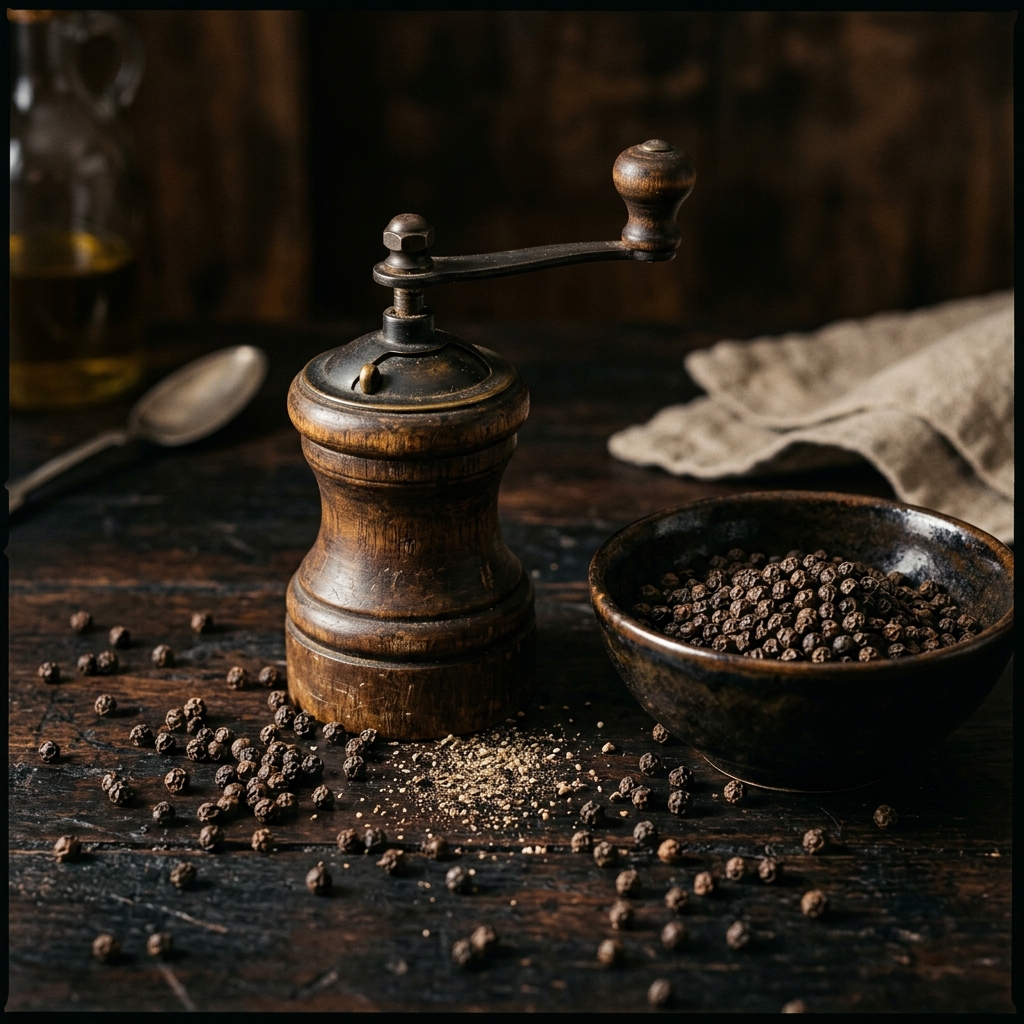
Pepper
The king of spices that drove global exploration
 ingredients
Olive Oil
Liquid gold of the Mediterranean
 ingredients
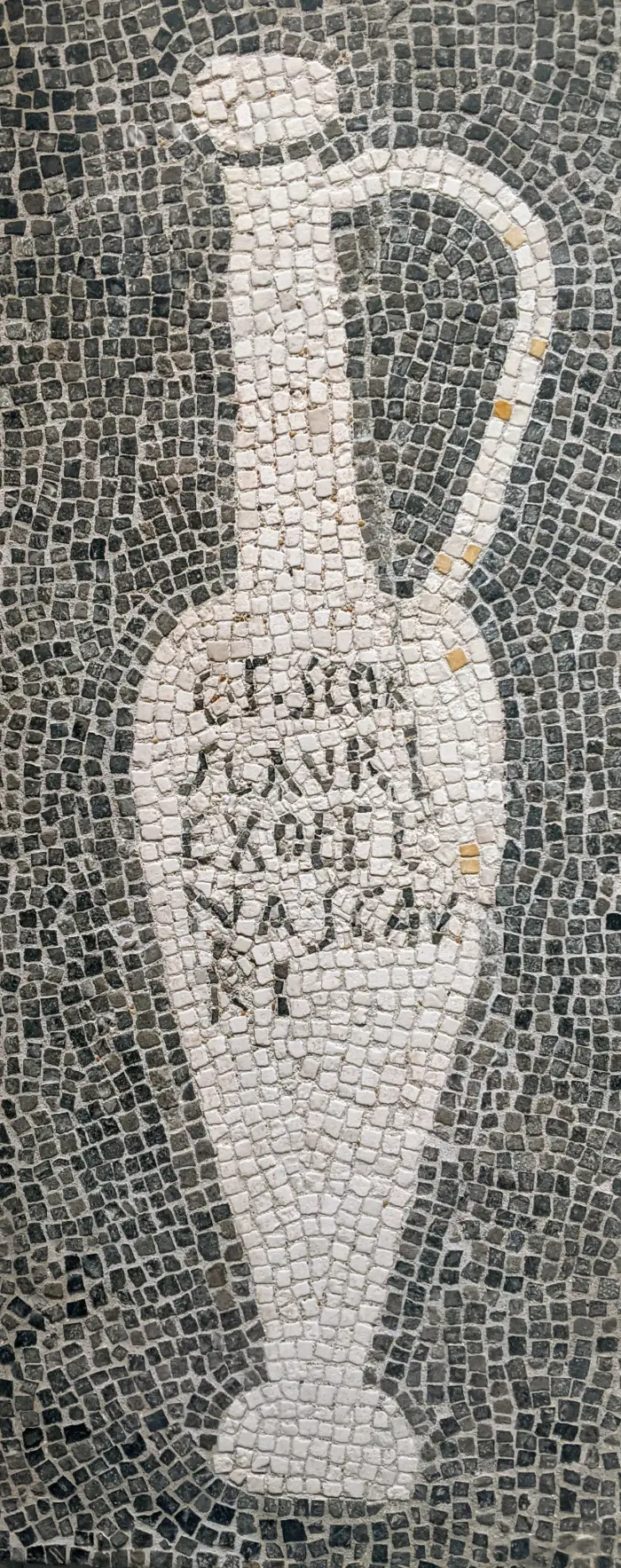
Garum
The fermented fish sauce that flavored Rome and moved through Mediterranean trade
Coffee, Tea, Chocolate, and Global Pantry Demand
Stimulants, luxuries, and pantry seasonings remade daily life while linking plantations, ports, merchants, migration, colonial companies, and consumers across continents.
 drinks
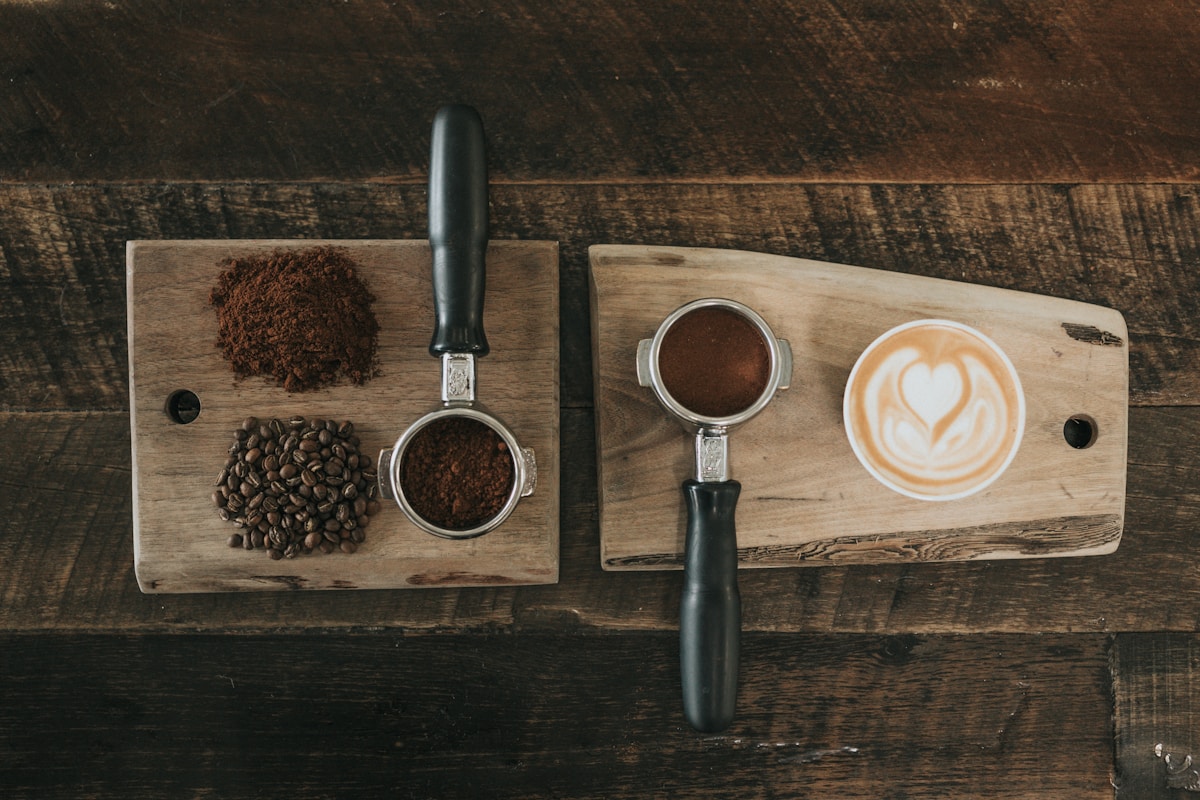
Coffee
The evidence-led story of an African plant, a Yemeni brewing culture, the port of Mocha, and the coffeehouses that carried coffee worldwide
 drinks
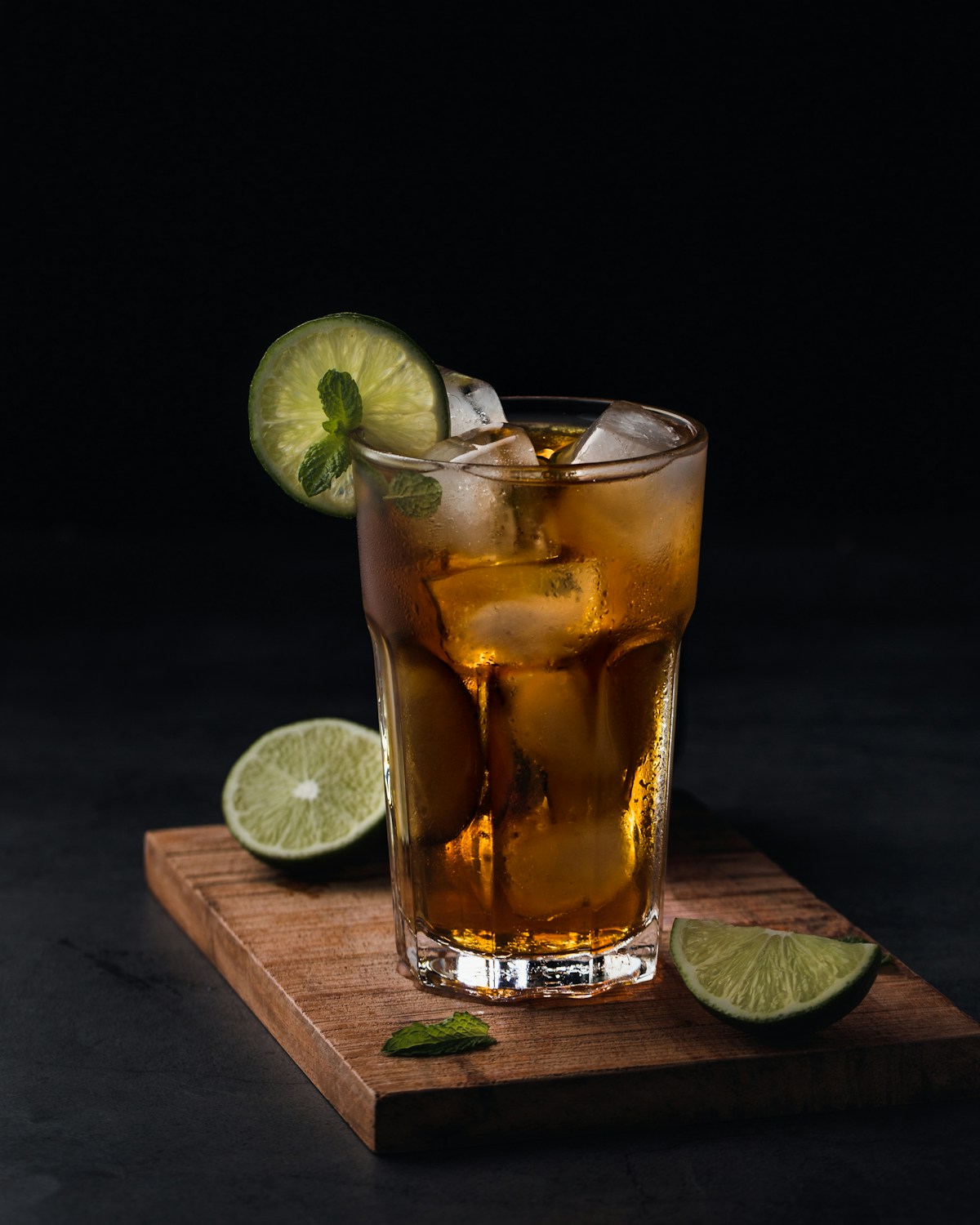
Tea
The leaf that turned ritual, empire, and daily life into a global habit
 ingredients
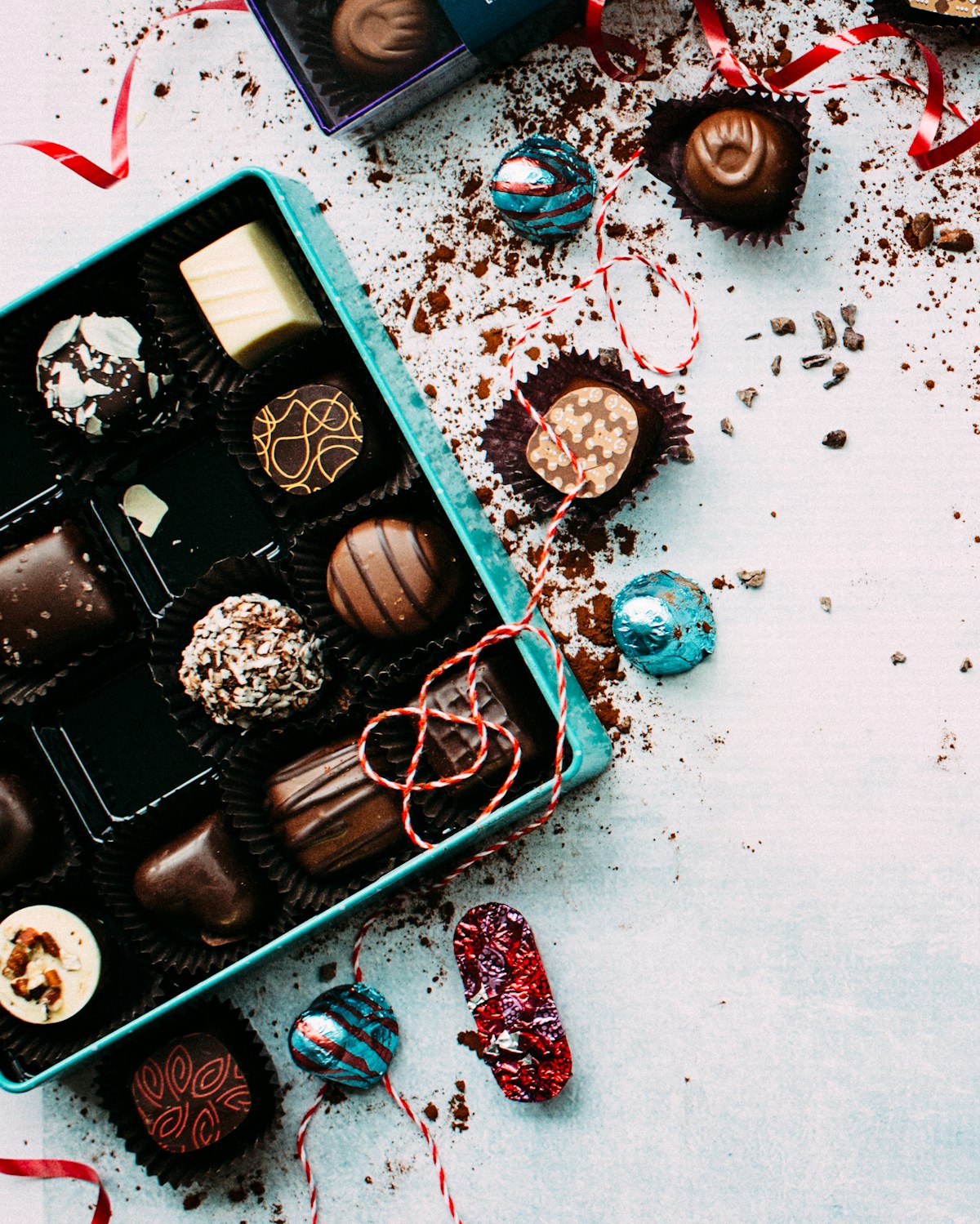
Chocolate
The cacao drink that moved from Amazonian domestication and Mesoamerican ritual into colonial sugar, industrial bars, and global luxury
 ingredients
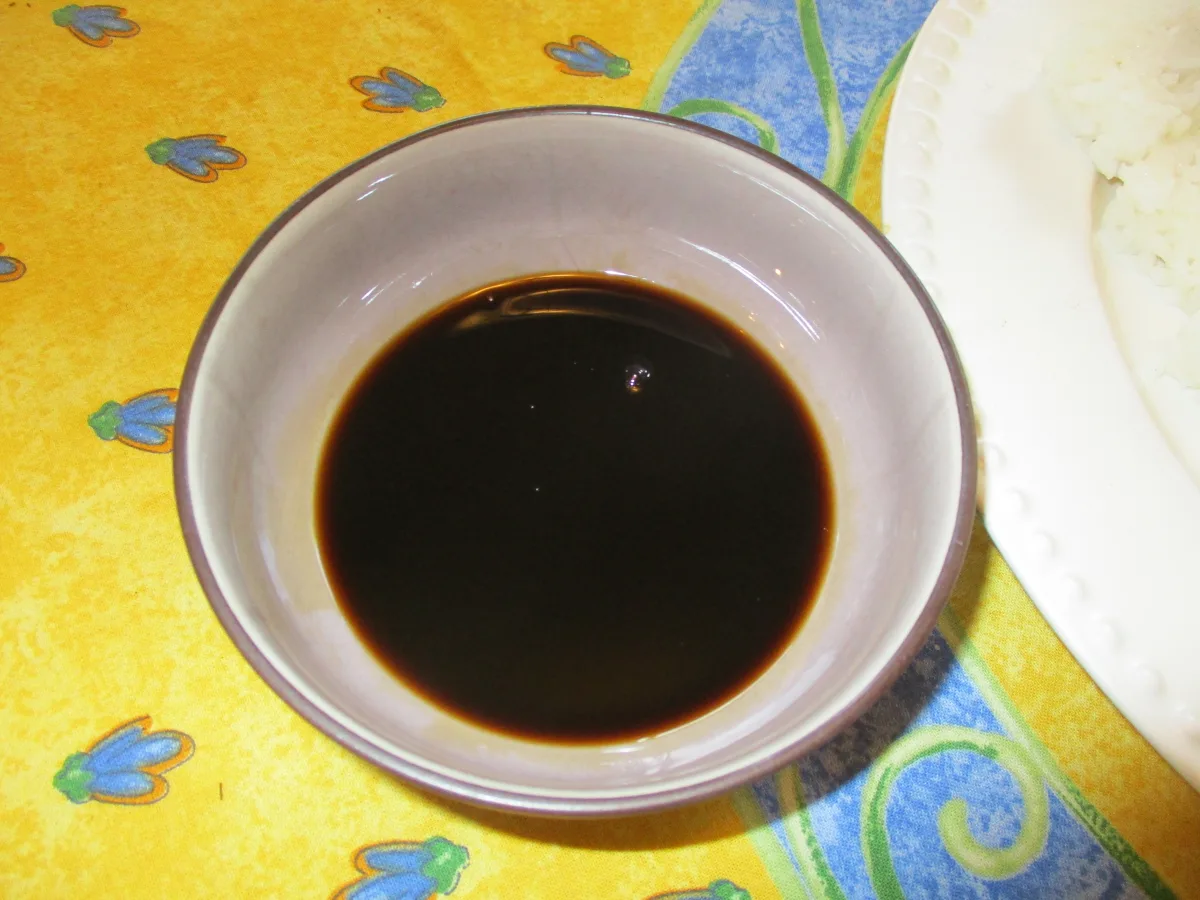
Soy Sauce
The fermented seasoning that carried East Asian umami across the world
 ingredients
Vanilla
The orchid spice that turned perfume, chocolate, and ice cream into global luxuries
Crops, Staples, and the Columbian Exchange
The Columbian Exchange moved maize, potatoes, tomatoes, cacao, and other American crops across the world, while older staples such as rice also moved through empire, migration, plantation labor, and port-city trade.
 ingredients
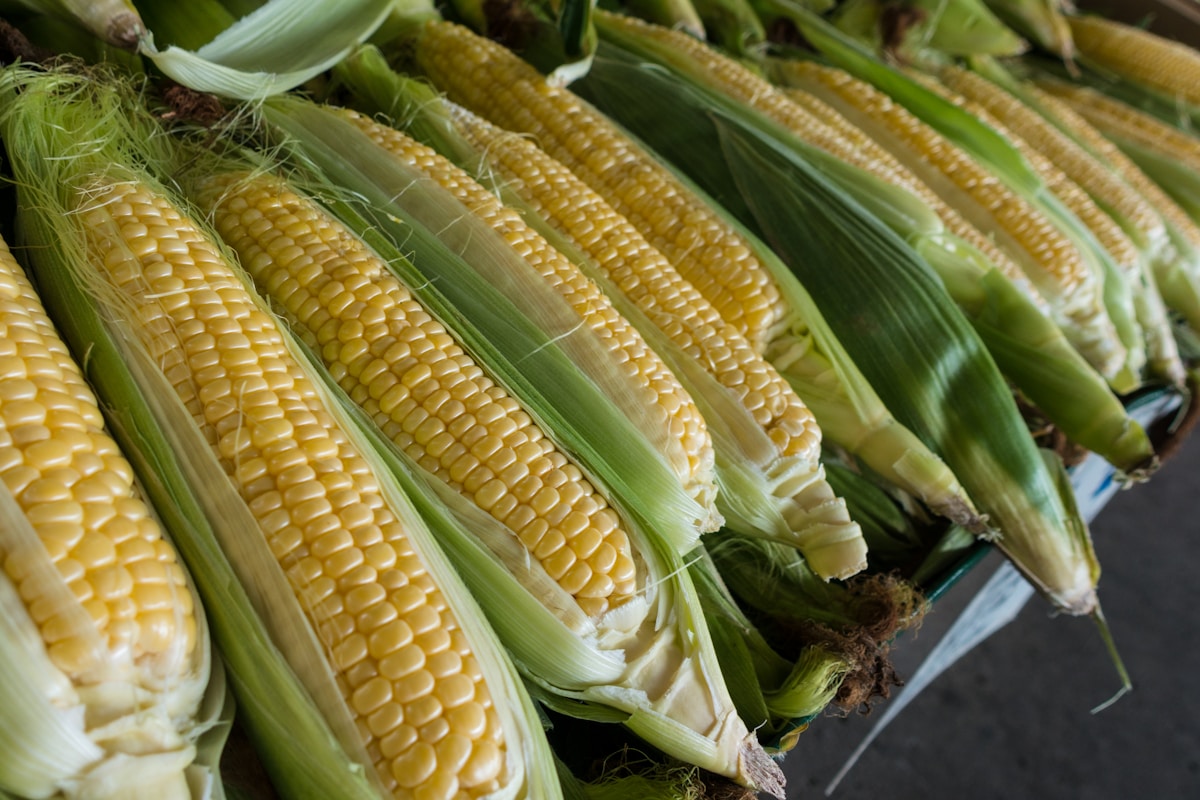
Corn / Maize
The New World grain that transformed global agriculture
 ingredients
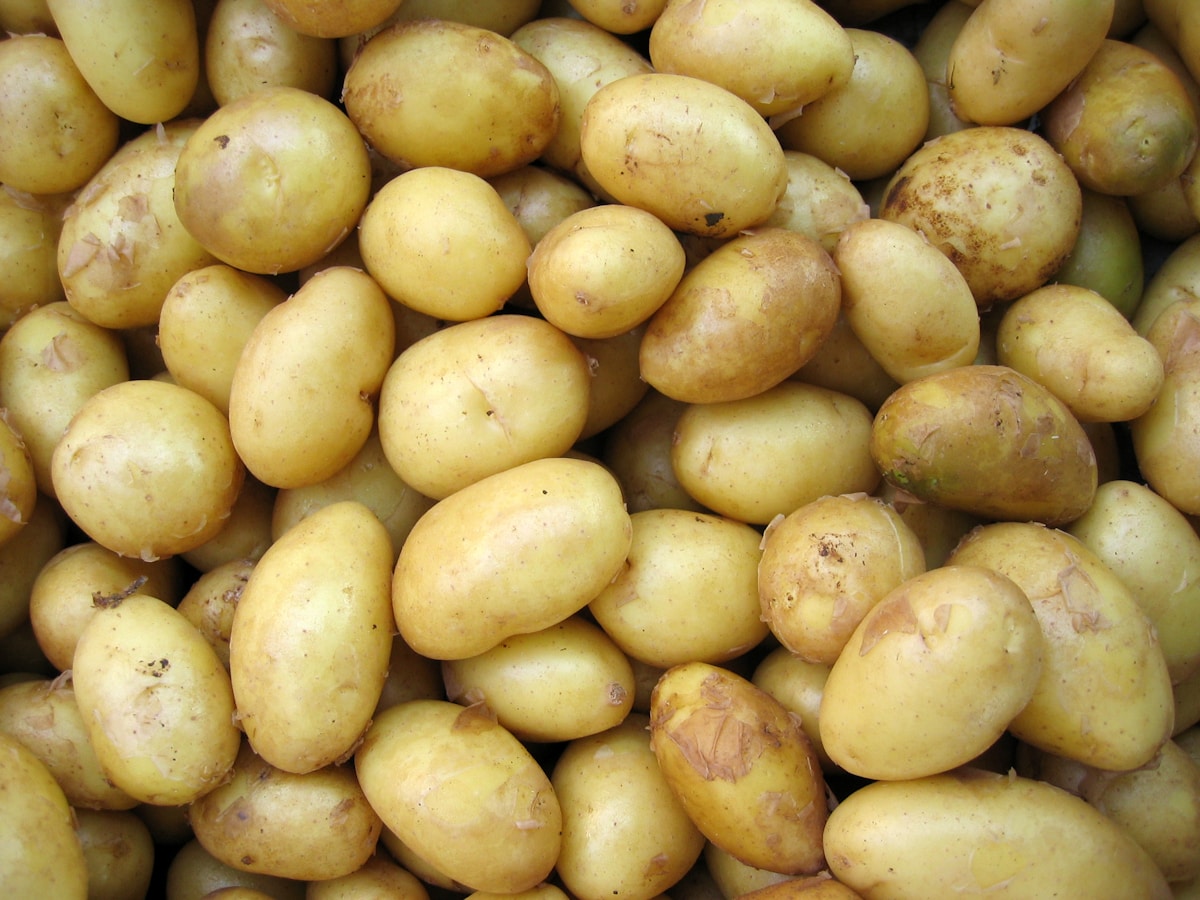
Potato
The humble tuber that conquered the world
 ingredients
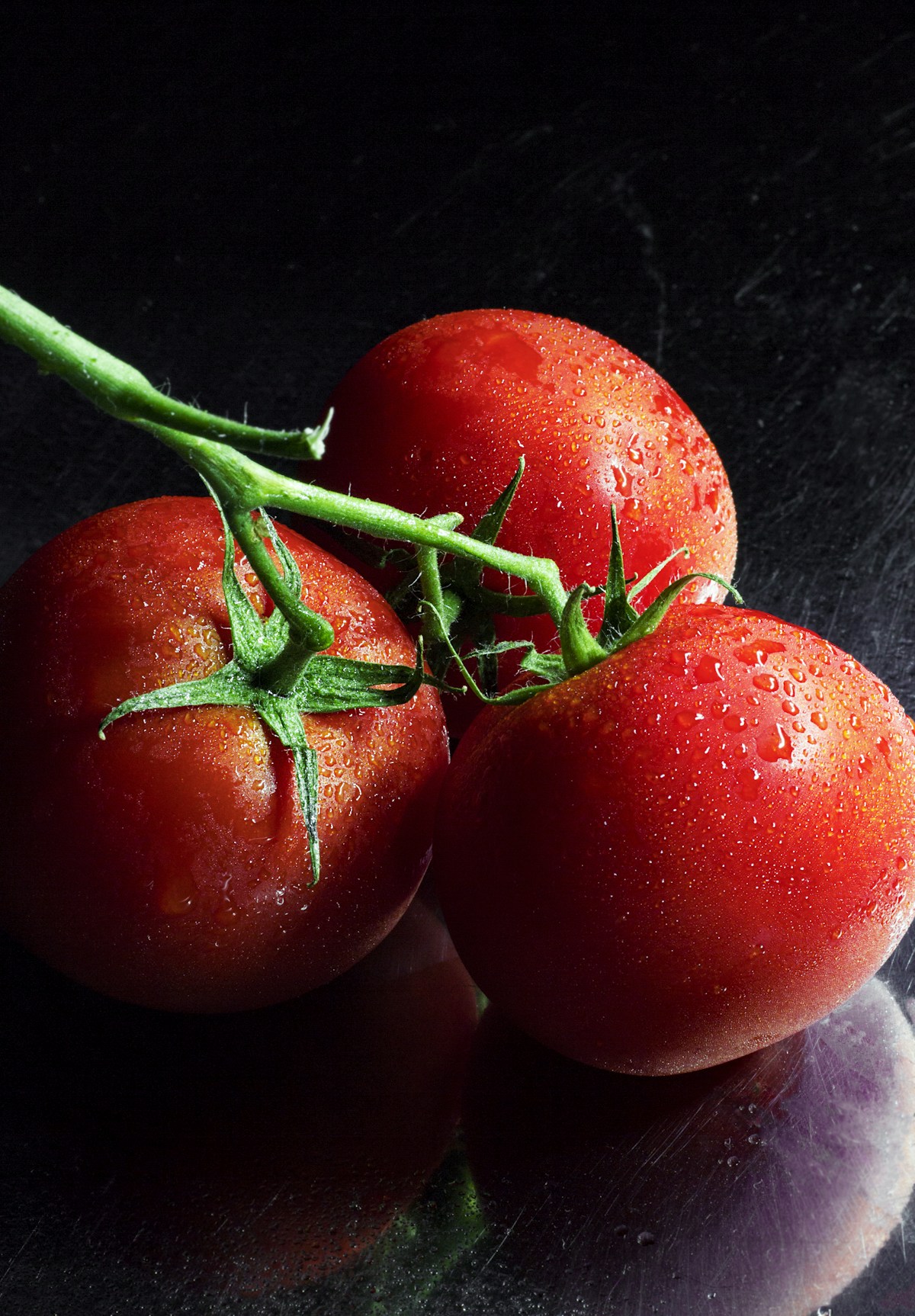
Tomato
The fruit once feared as poisonous
 ingredients
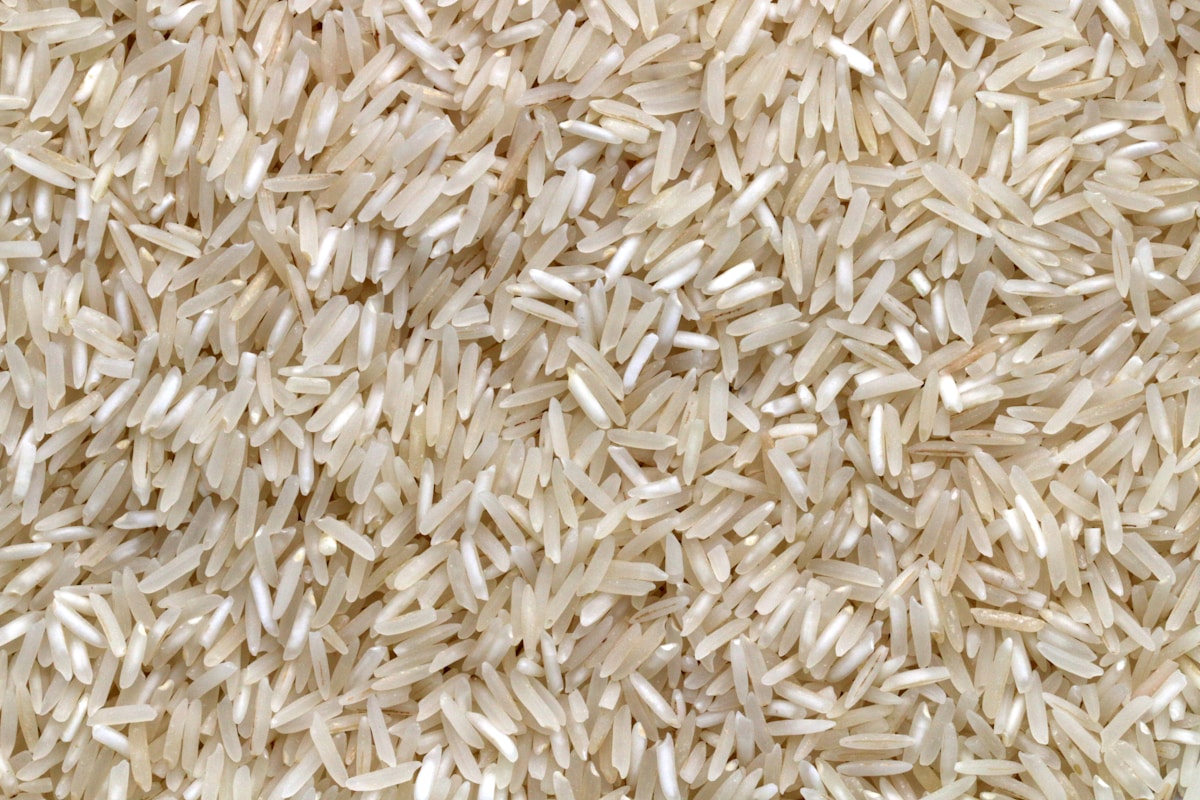
Rice
The grain that feeds half the world
ingredientsChocolate
The cacao drink that moved from Amazonian domestication and Mesoamerican ritual into colonial sugar, industrial bars, and global luxury
 ingredients
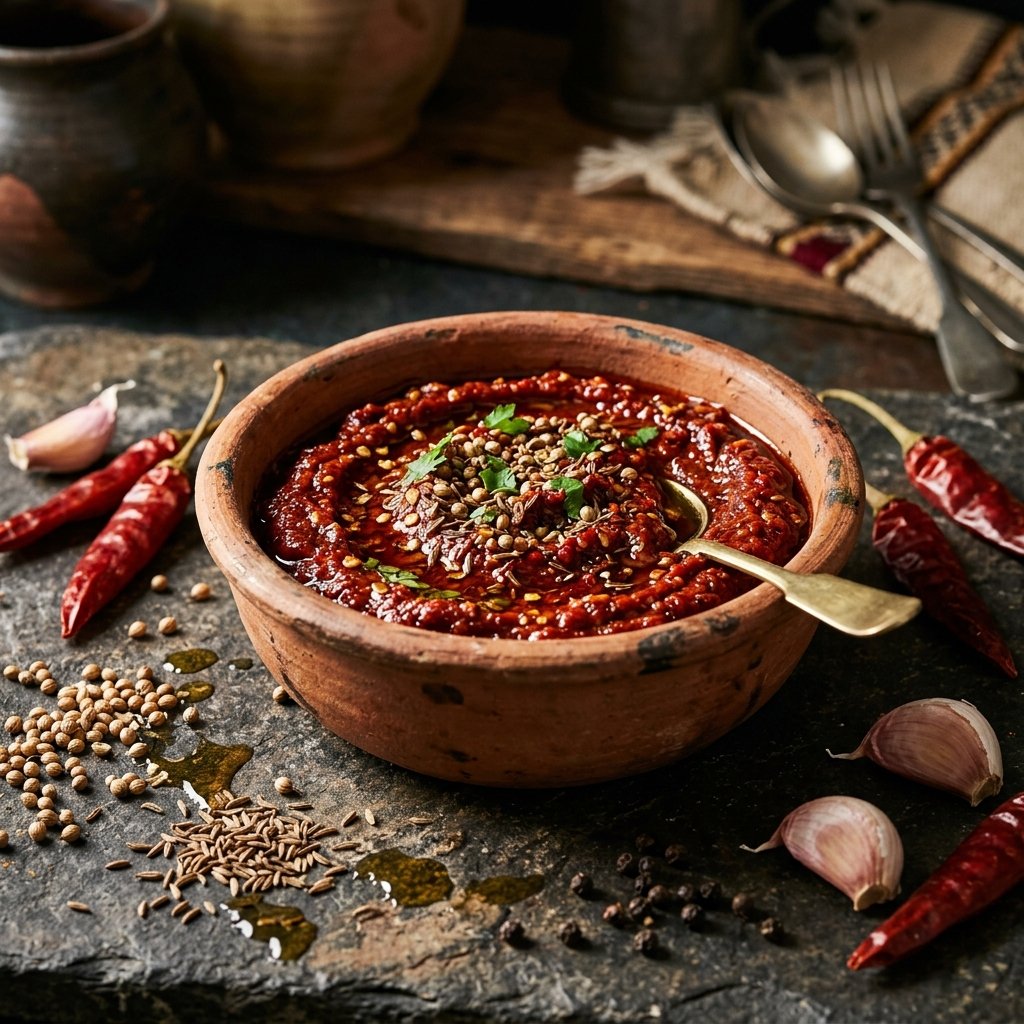
Harissa
The Tunisian chili paste that fused New World peppers with Maghrebi spice, oil, garlic, and migration
Spice Routes and Maritime Power
Spices condensed huge value into small cargoes. Pepper, cinnamon, nutmeg, and vanilla helped drive long-distance trade, oceanic navigation, monopoly companies, and imperial rivalry.
ingredientsPepper
The king of spices that drove global exploration
 ingredients
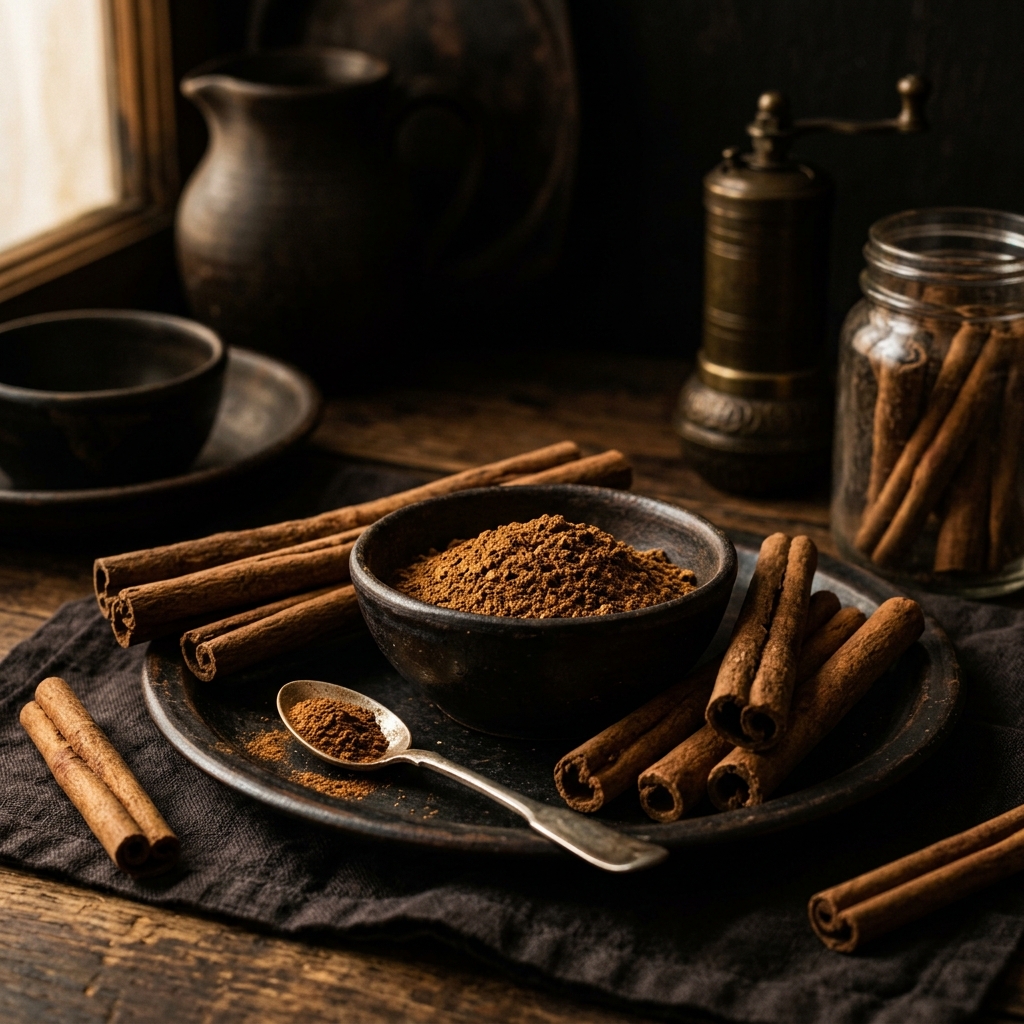
Cinnamon
The bark worth more than gold
 ingredients
Nutmeg
The spice that turned the Banda Islands into a battleground of empire
 ingredients
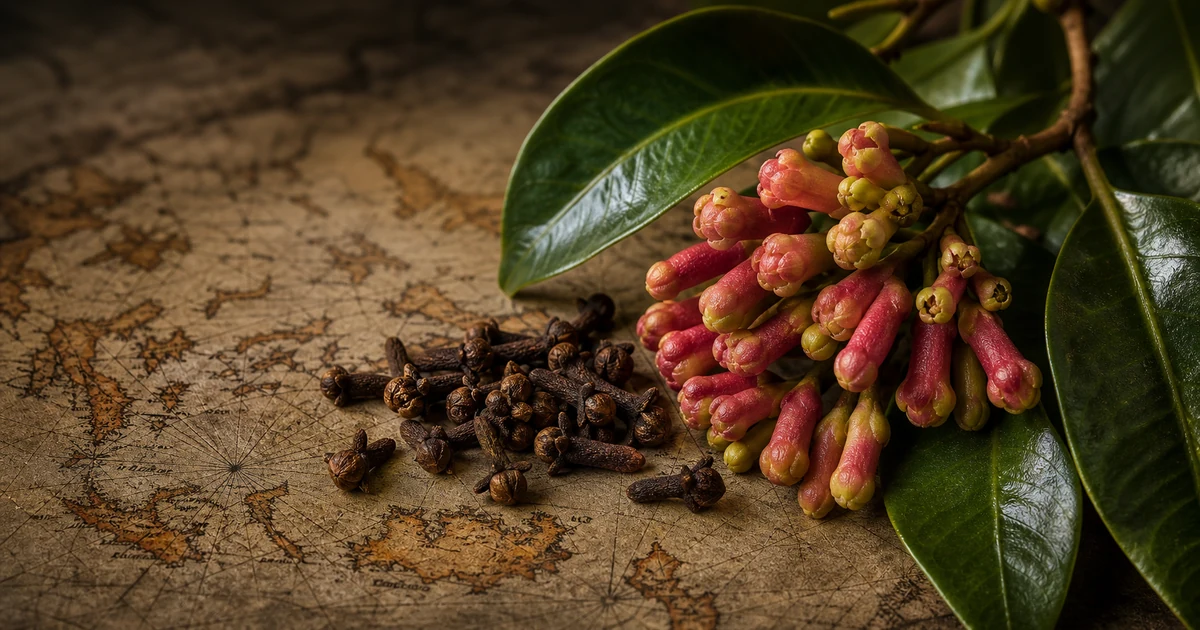
Cloves
How one aromatic tree from the Spice Islands connected Austronesian cultivation, Indian Ocean exchange, European empires, plantation transfers, medicine, and modern kitchens
 ingredients
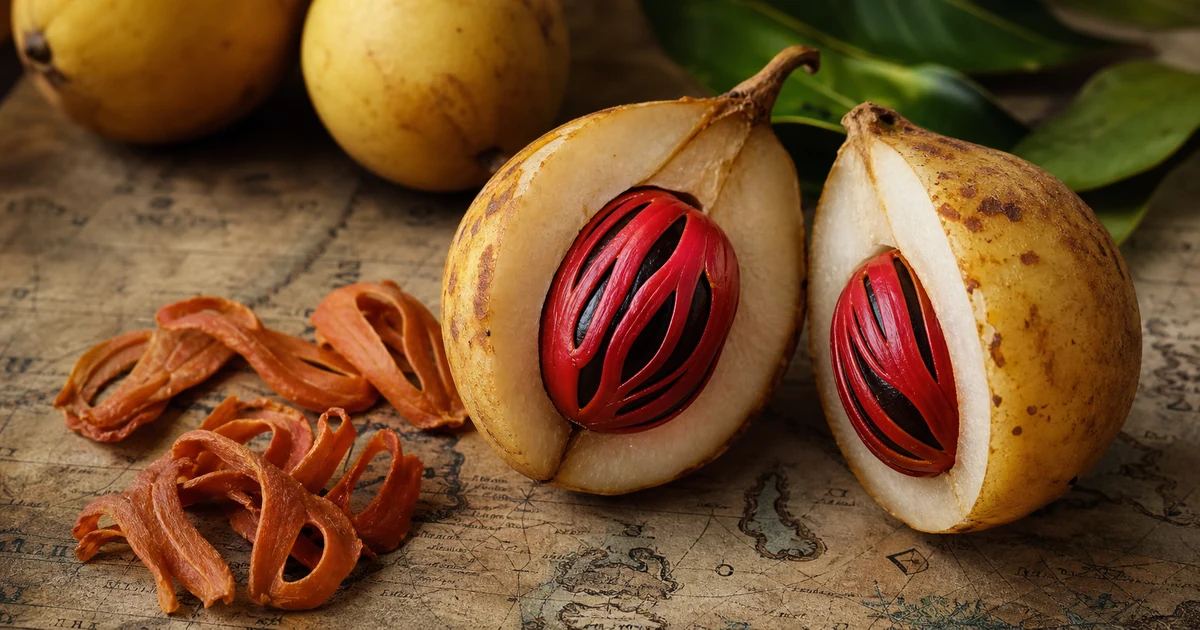
Mace
How the Banda Islands, one fruit, two spices, maritime commerce, Dutch monopoly, colonial transplantation, color grading, and European kitchens shaped mace
 ingredients
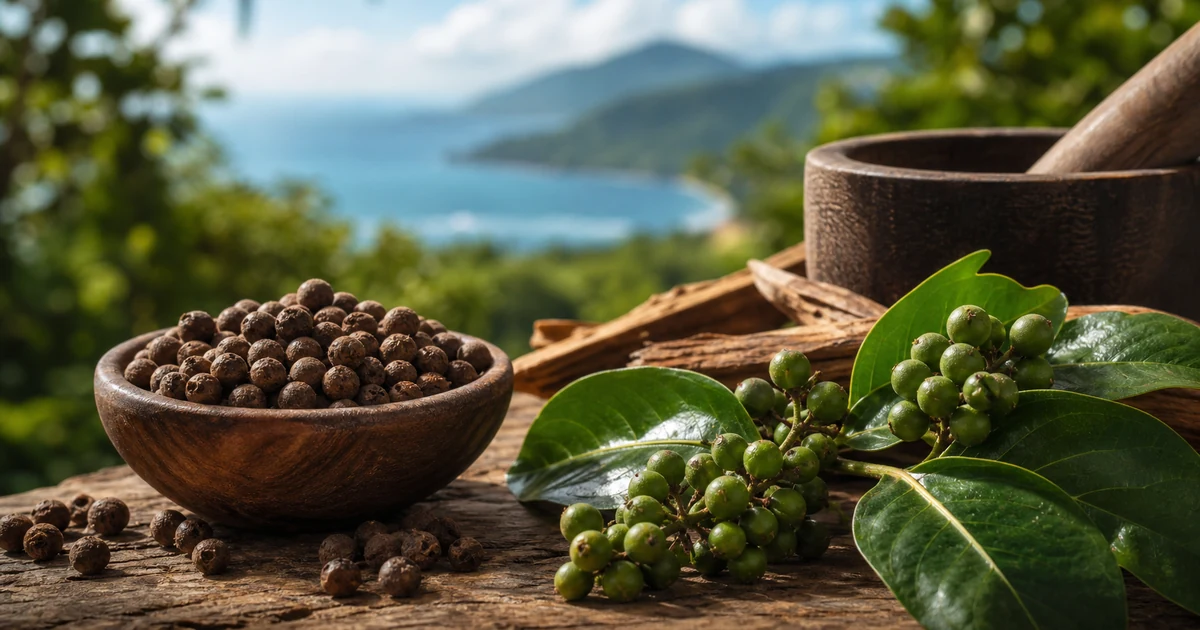
Allspice
How a Caribbean tree, Indigenous foodways, European renaming, plantation trade, jerk seasoning, preserved meat, and global spice markets shaped pimento
 ingredients
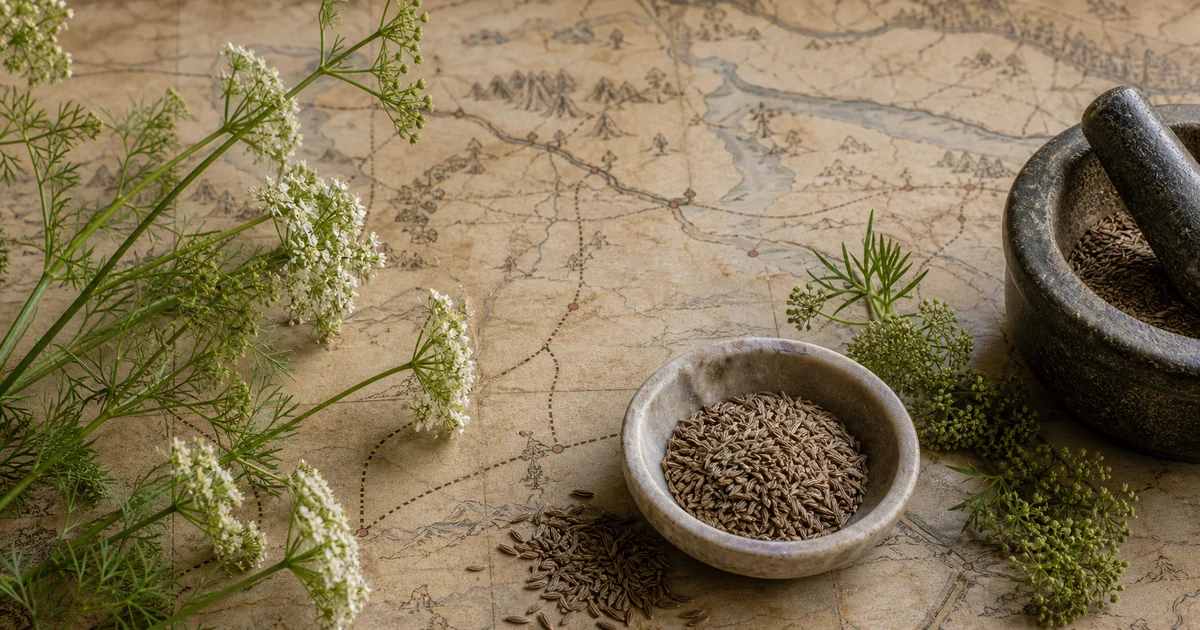
Cumin
How a West Asian and Mediterranean seed moved through early agriculture, Egyptian and Roman kitchens, Islamic trade, South Asian spice systems, colonial migration, and modern blends
 ingredients
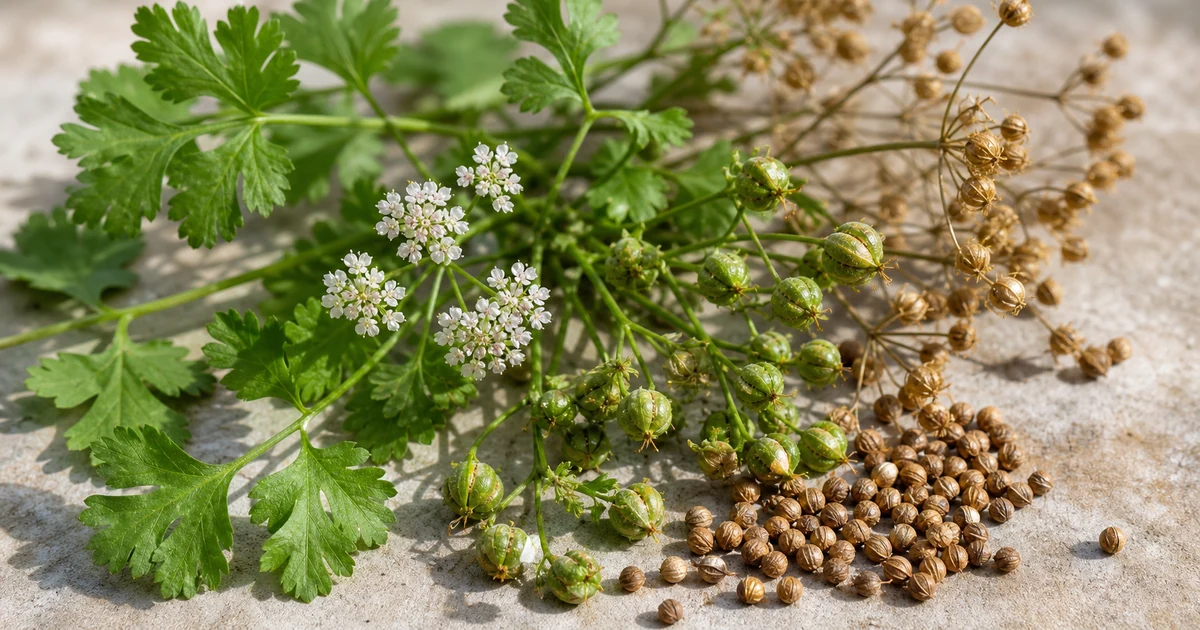
Coriander
How one plant joined early farming, Egyptian and Mediterranean food, Roman movement, Asian spice systems, the Columbian Exchange, and modern arguments over taste and naming
 ingredients
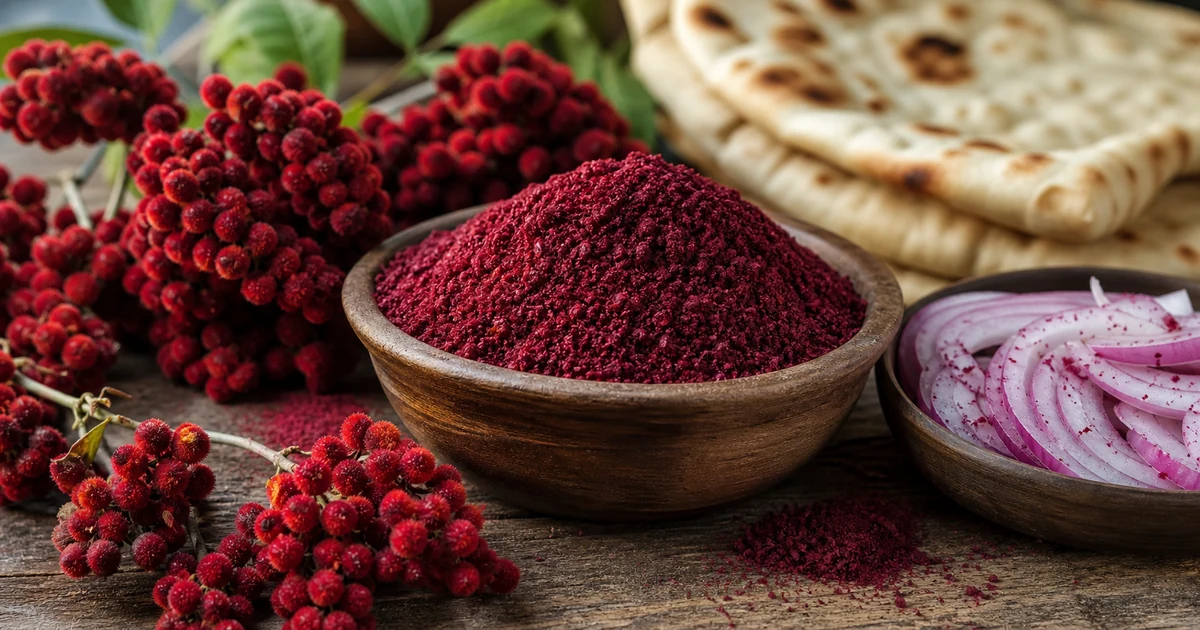
Sumac
How Mediterranean and West Asian shrubs, dried berry clusters, acidity, Roman and medieval cooking, za’atar, migration, and modern restaurant culture revived an ancient souring tool
ingredientsVanilla
The orchid spice that turned perfume, chocolate, and ice cream into global luxuries