Food history collection
Crops of Conquest: The Innocent Staple Foods That Funded World Domination
Food has never been only nourishment. Salt became tax revenue, spices became maritime strategy, sugar plantations became engines of colonial wealth, and staple crops fed the workers, soldiers, migrants, and cities that helped empires expand.
Salt, Taxes, and State Control
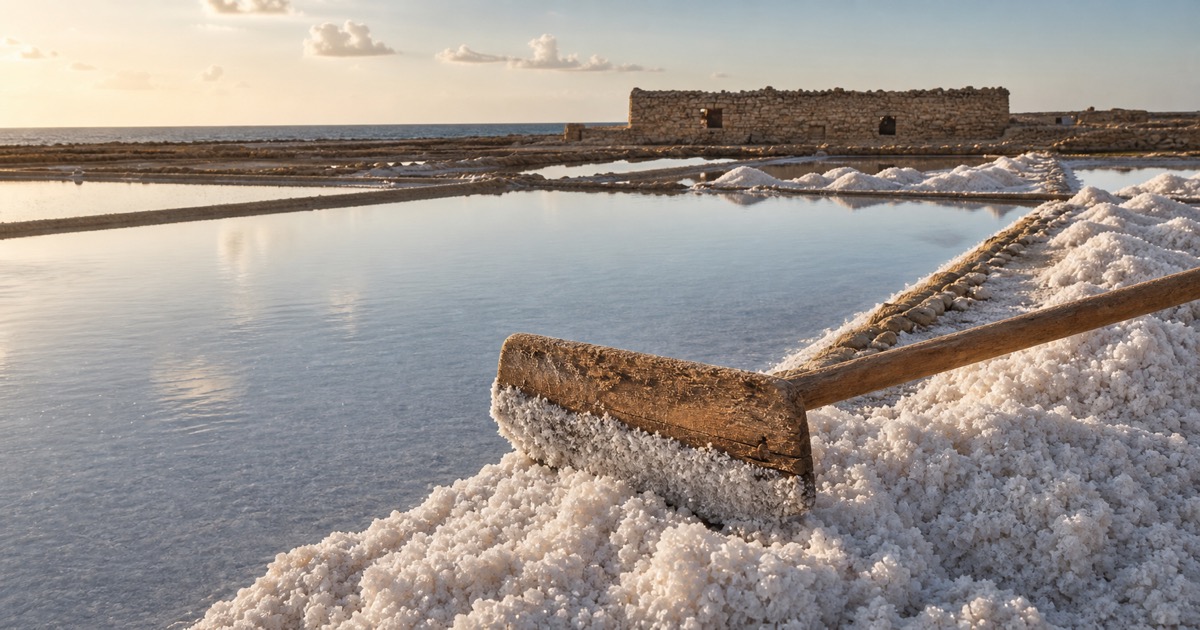
Salt, fermented sauces, and durable seasonings mattered because they preserved food, fed armies, supported taxation, and helped states turn everyday necessity into political power.
 ingredients
Salt
The mineral that turned food preservation, caravan trade, and state control into power across centuries
 ingredients
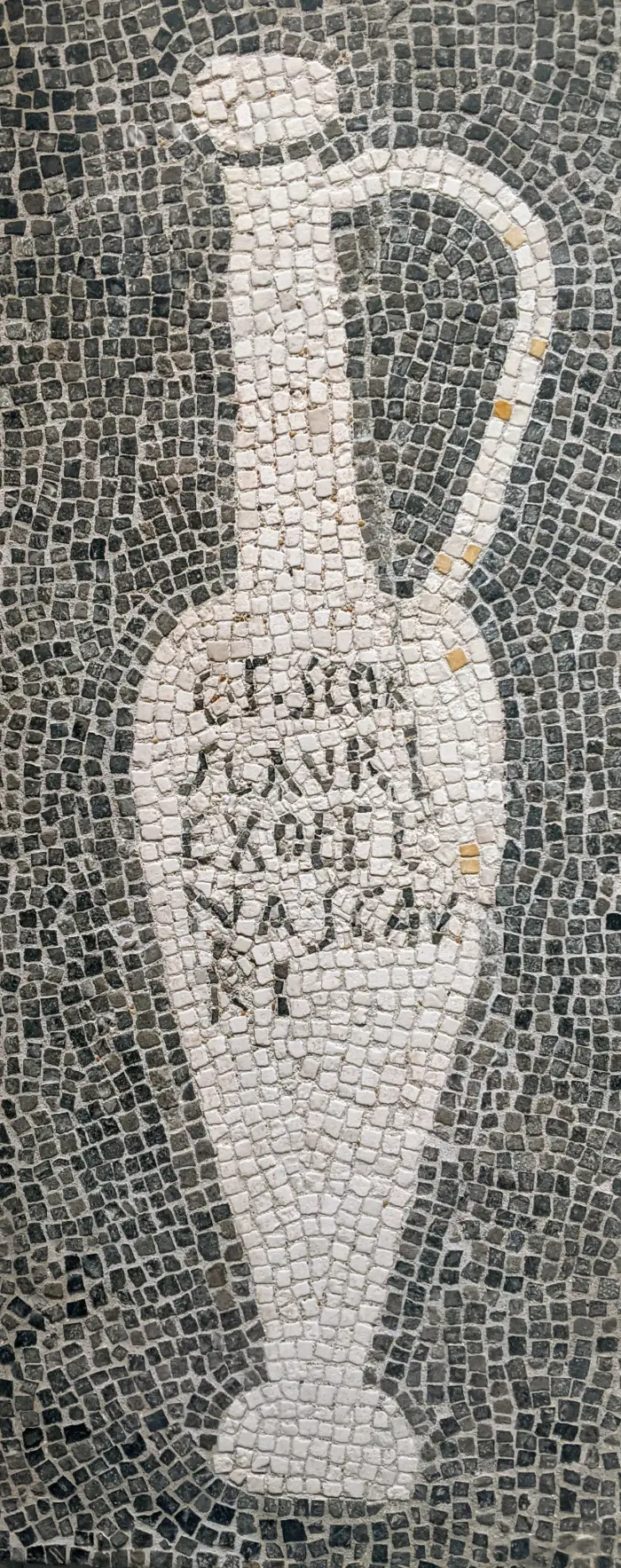
Garum
The fermented fish sauce that flavored Rome and moved through Mediterranean trade
 ingredients
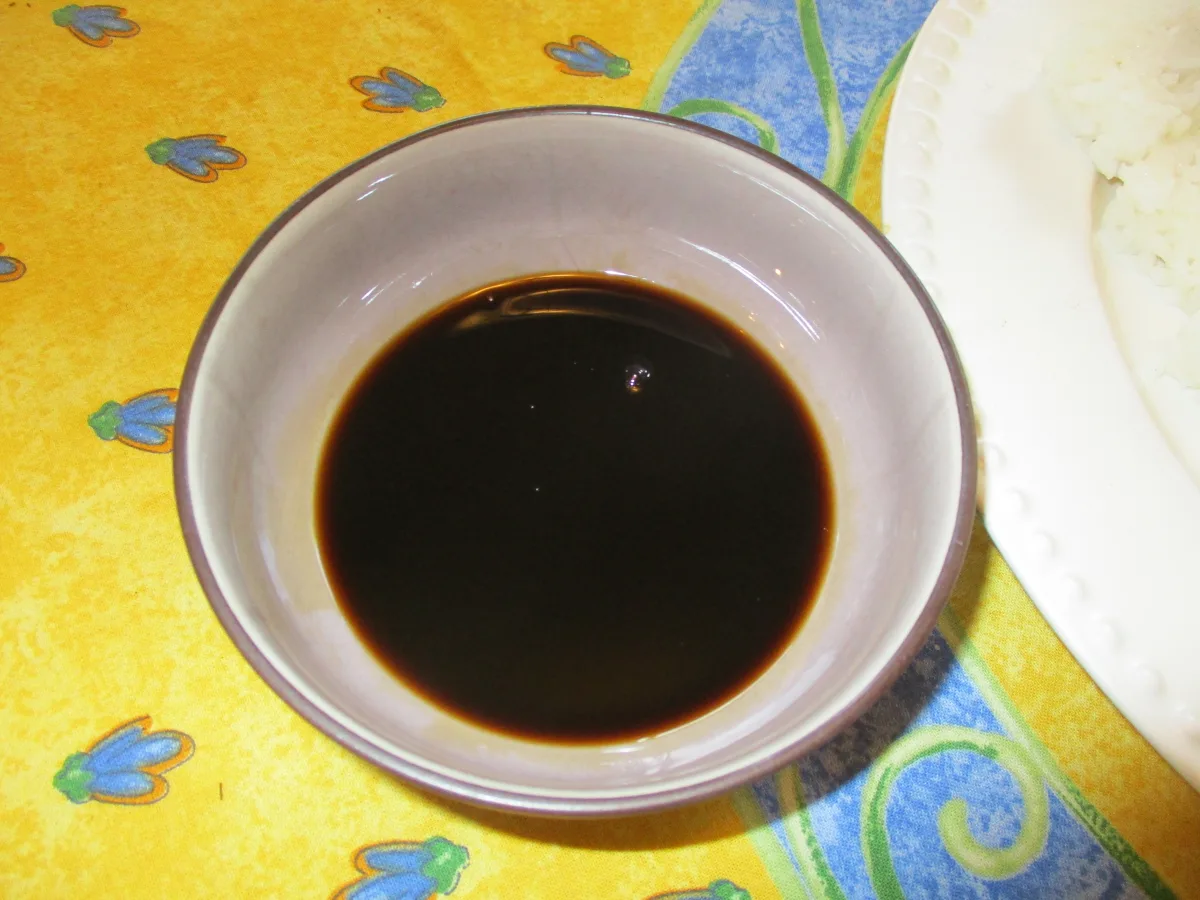
Soy Sauce
The fermented seasoning that carried East Asian umami across the world
Spices and Maritime Empire
Pepper, cinnamon, nutmeg, and vanilla concentrated enormous value into small cargoes. Their demand helped drive oceanic navigation, monopoly companies, fortified ports, and violent struggles over supply.
 ingredients
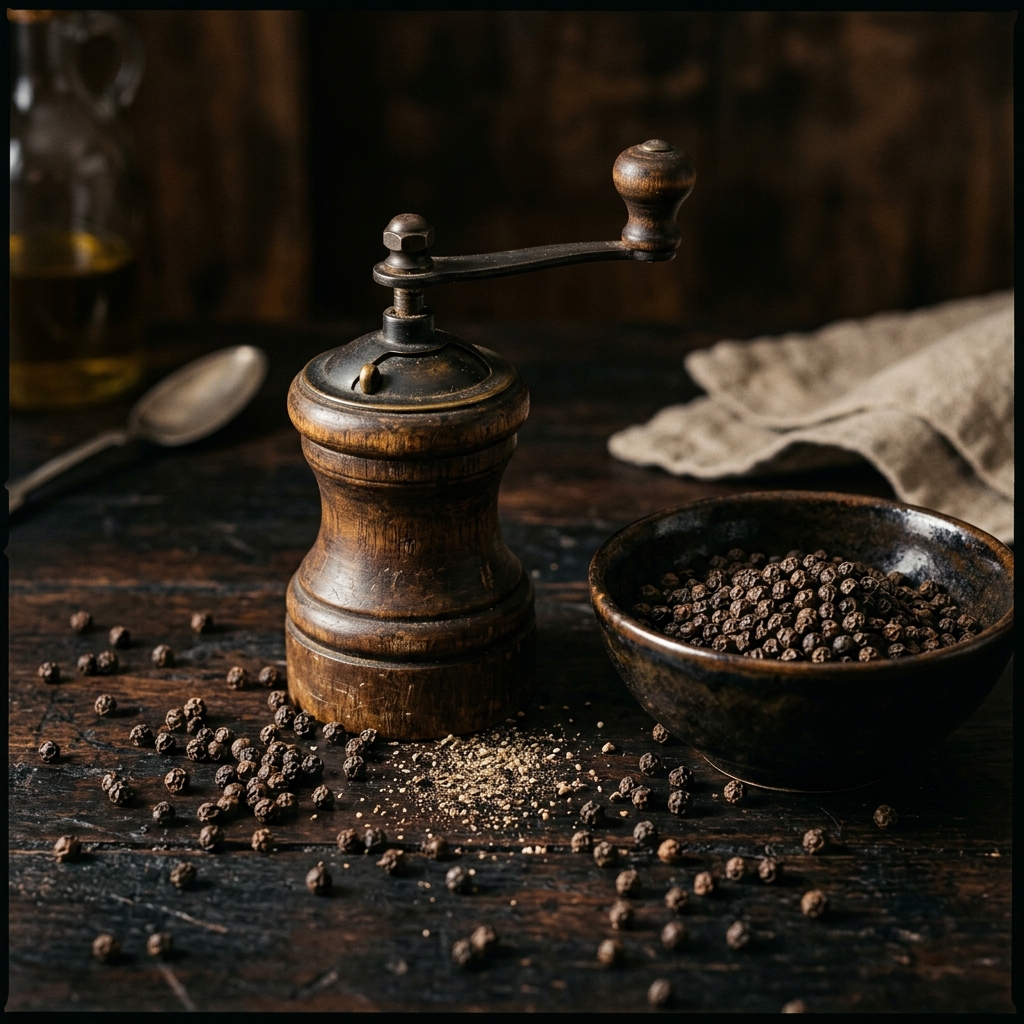
Pepper
The king of spices that drove global exploration
 ingredients
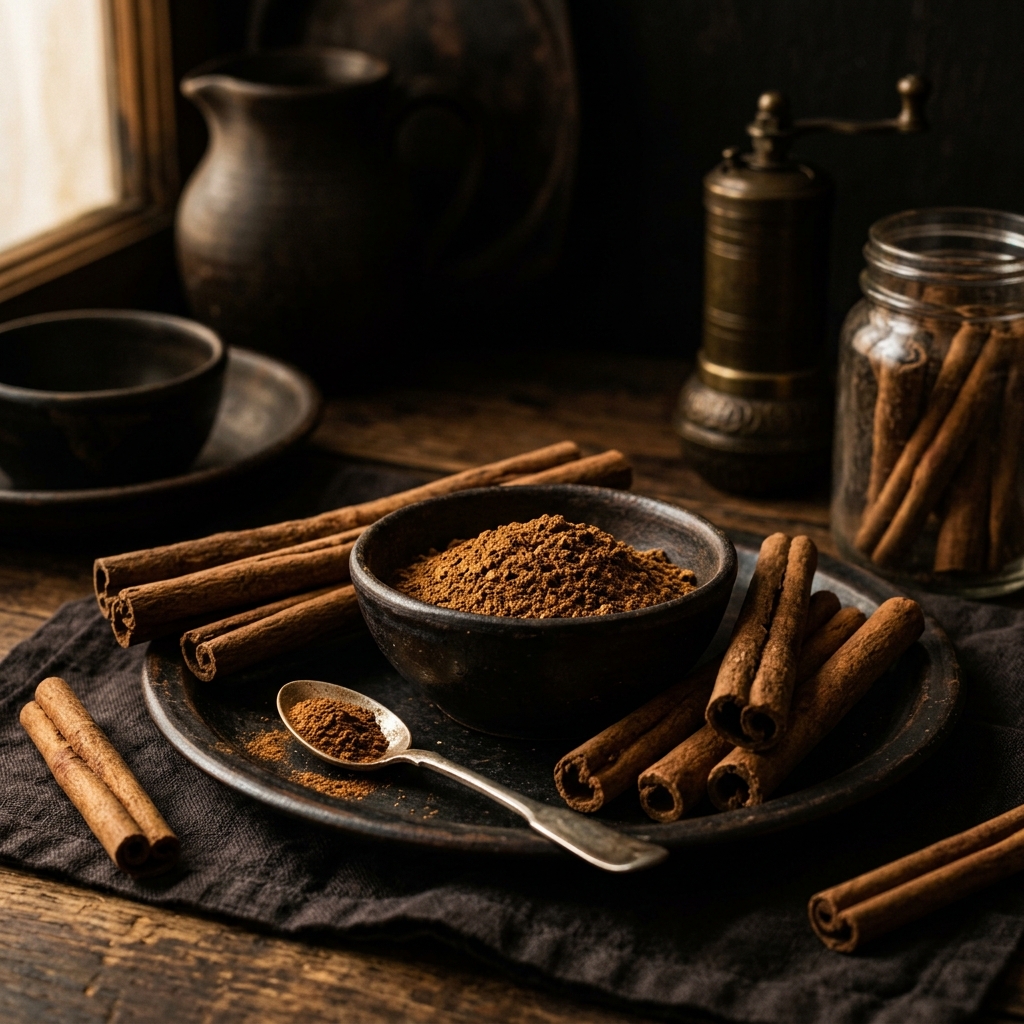
Cinnamon
The bark worth more than gold
 ingredients
Nutmeg
The spice that turned the Banda Islands into a battleground of empire
 ingredients
Vanilla
The orchid spice that turned perfume, chocolate, and ice cream into global luxuries
 ingredients
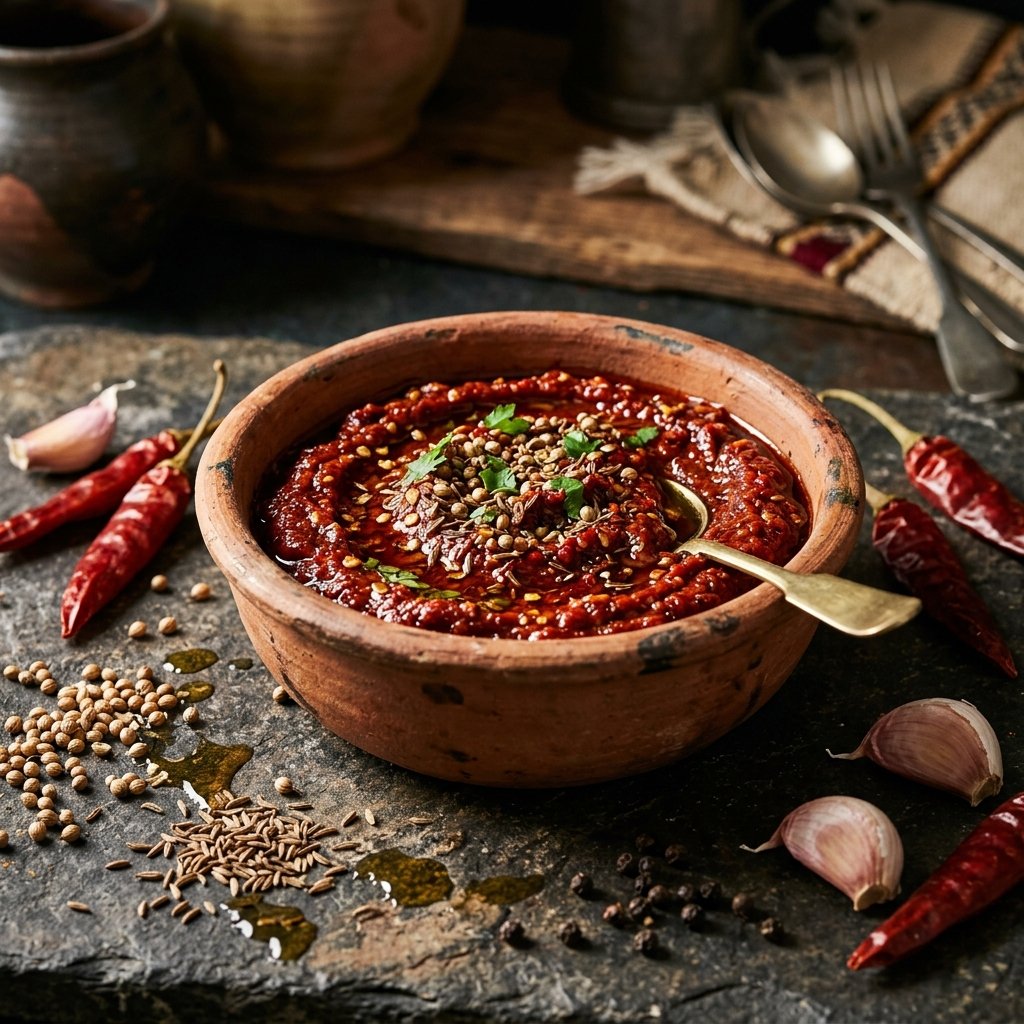
Harissa
The Tunisian chili paste that fused New World peppers with Maghrebi spice, oil, garlic, and migration
Plantation Crops and Colonial Wealth
Sugar, coffee, tea, chocolate, and vanilla tied daily pleasure to colonial plantations, forced labor, chartered companies, and the consumer habits that made empire profitable.
 ingredients
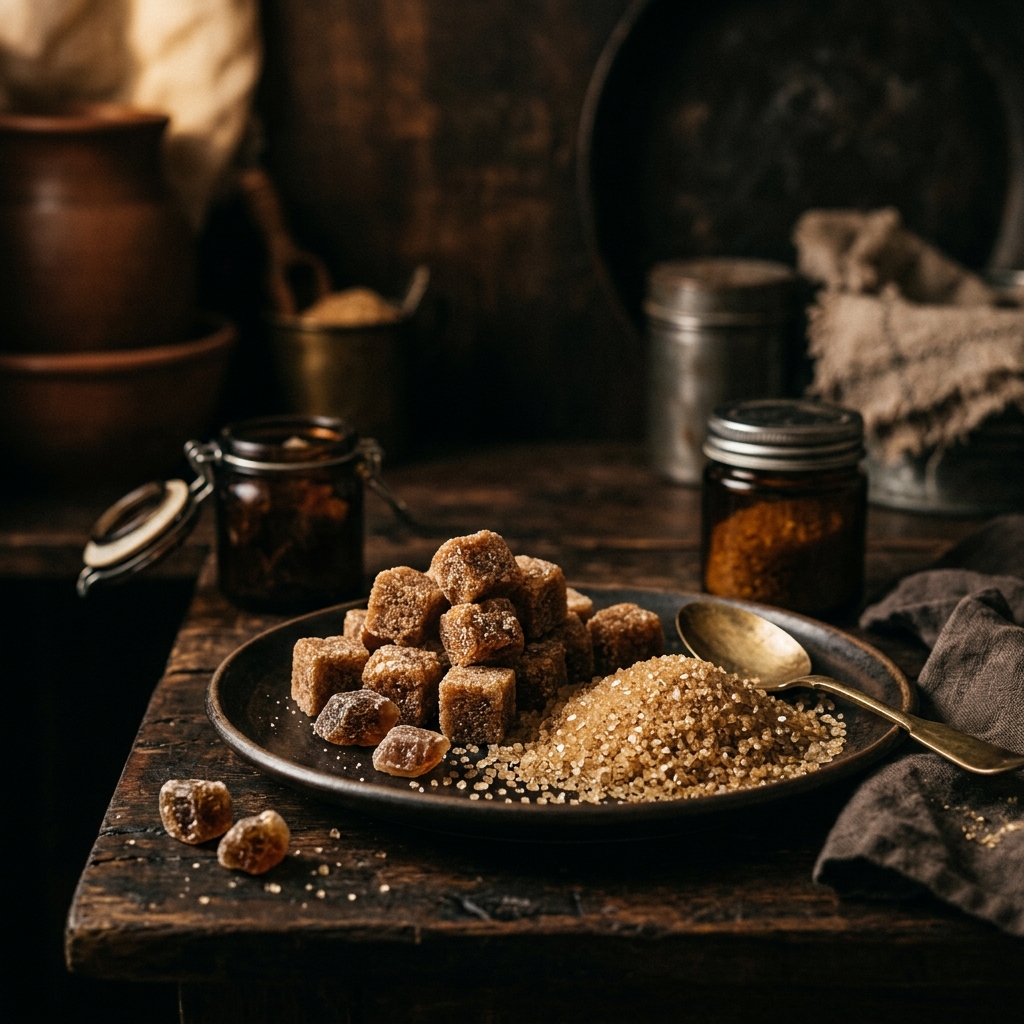
Sugar
The sweet commodity that turned cane into empire, labor, and daily habit
 drinks
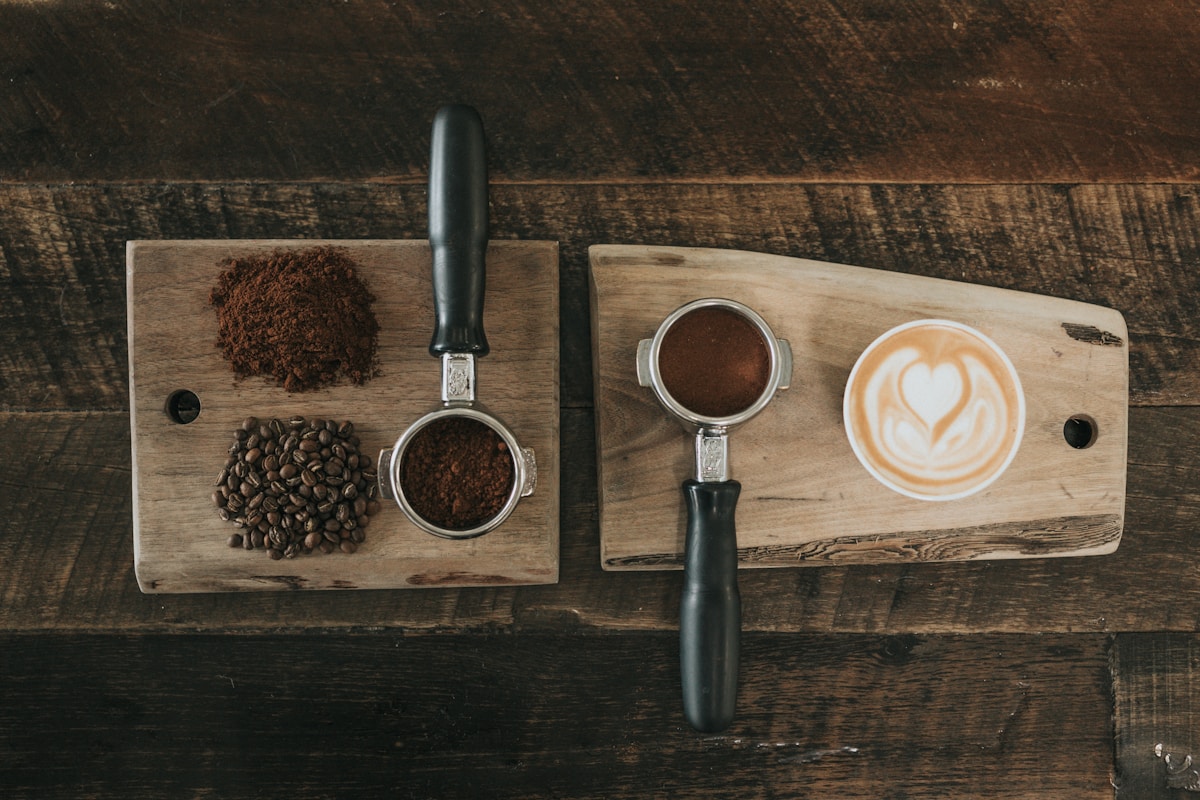
Coffee
The evidence-led story of an African plant, a Yemeni brewing culture, the port of Mocha, and the coffeehouses that carried coffee worldwide
 drinks
Tea
The leaf that turned ritual, empire, and daily life into a global habit
 ingredients
Chocolate
The cacao drink that moved from Amazonian domestication and Mesoamerican ritual into colonial sugar, industrial bars, and global luxury
ingredientsVanilla
The orchid spice that turned perfume, chocolate, and ice cream into global luxuries
Staples That Fed Expansion
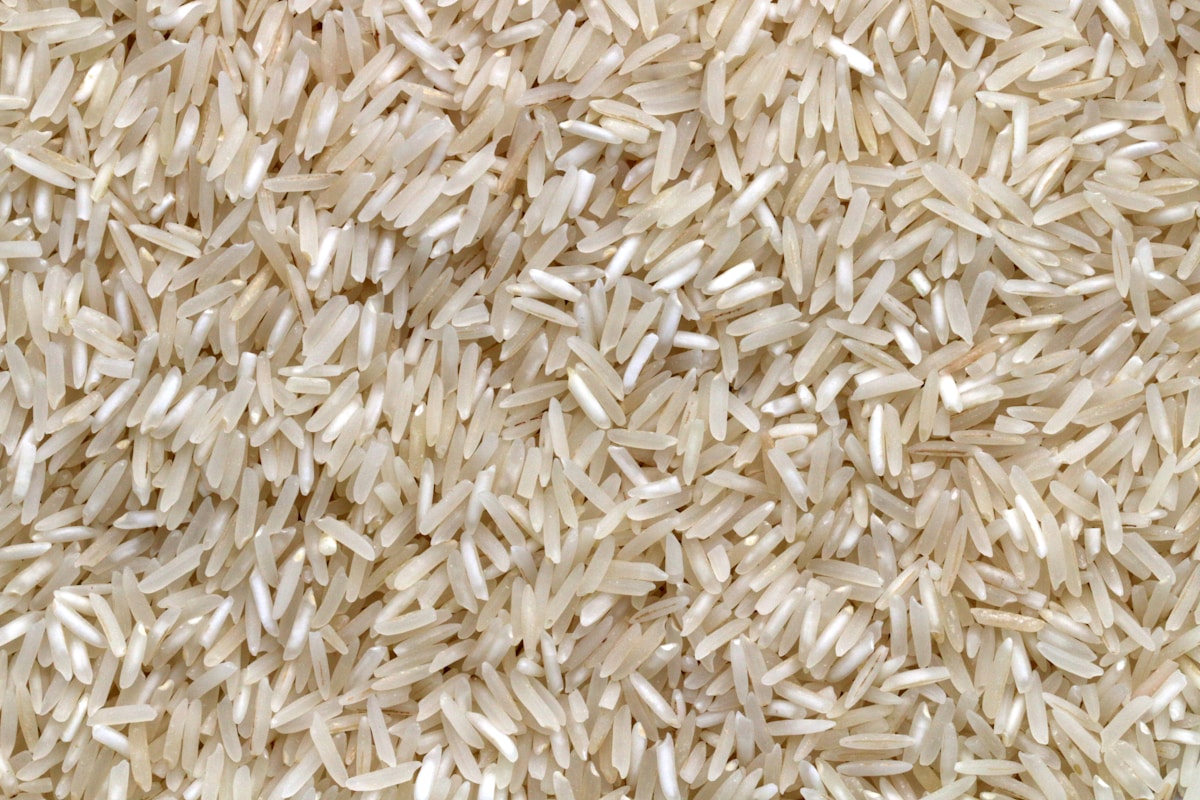
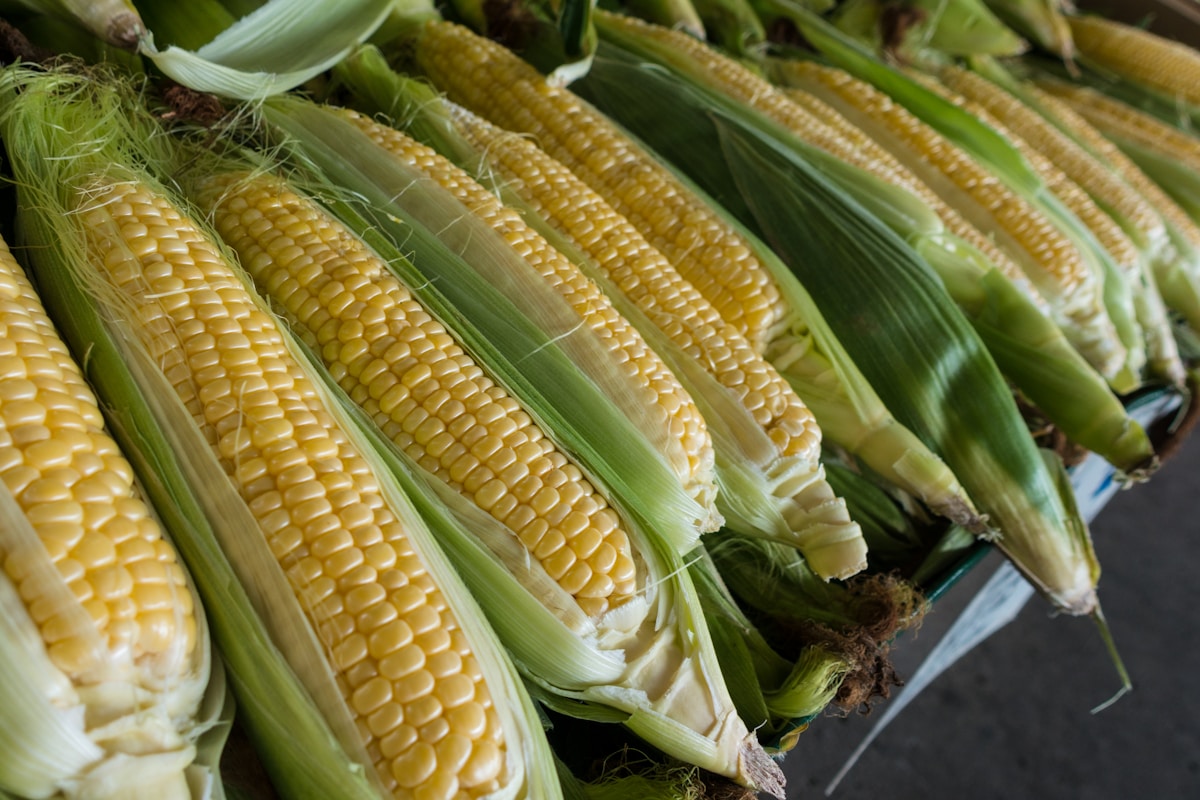
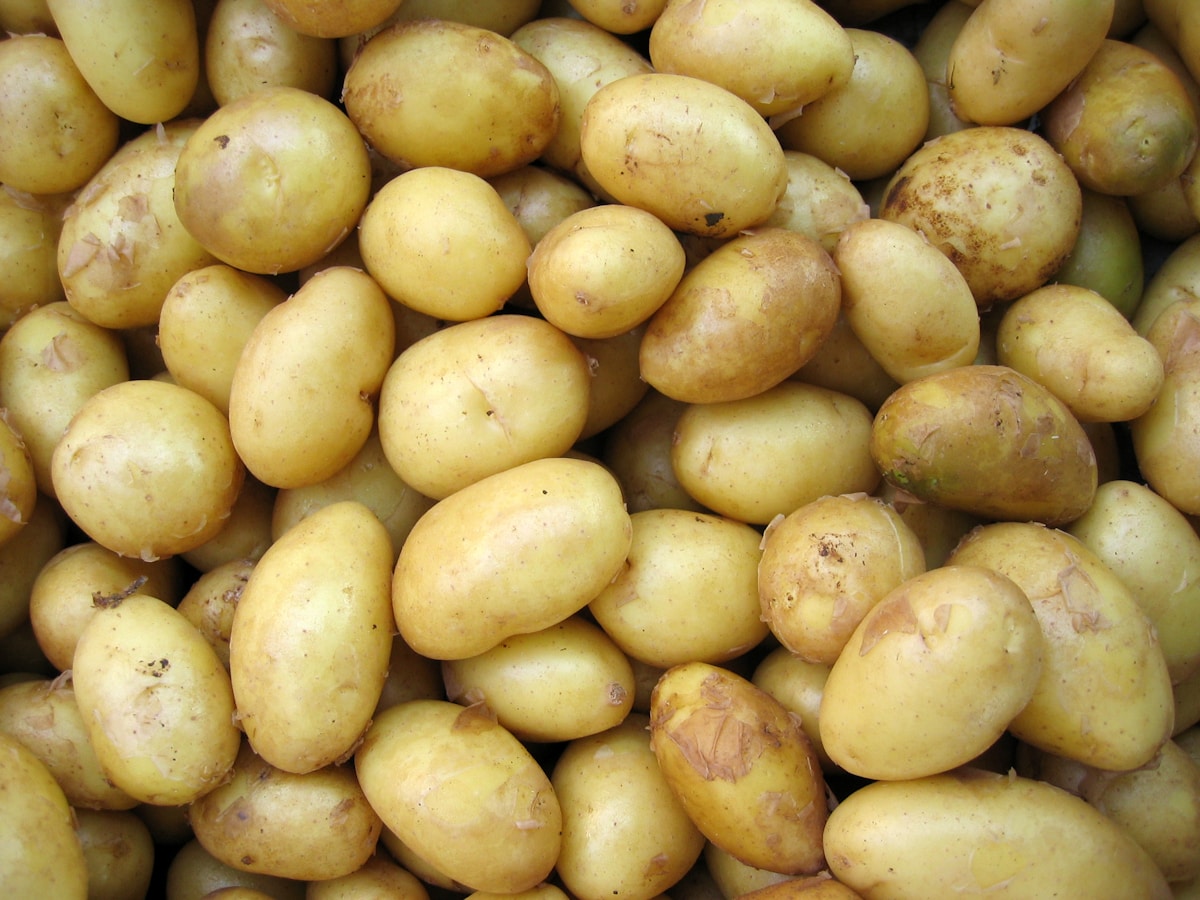
Rice, maize, and potatoes were not just crops. They fed workers, migrants, soldiers, and expanding populations, helping imperial systems hold territory and move people across regions.